

Space-station microgravity cuts mitochondrial proteins, revealing why astronauts’ bodies waste away
A Nature study ties microgravity stress to mitochondrial protein loss, sharpening the case for countermeasures before long missions.
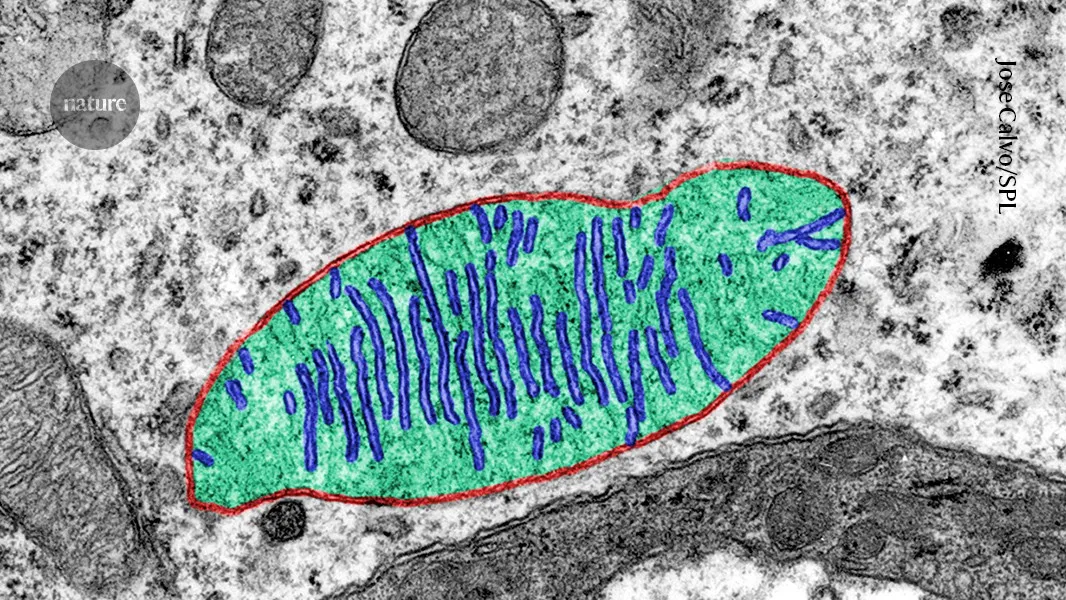
A Nature News report published online 16 July 2026 (doi:10.1038/d41586-026-02089-0) describes lab work showing human cells in microgravity produced fewer mitochondrial proteins. For decision-makers planning long-duration spaceflight, the finding points to mitochondria as a mechanistic target for protecting crew health.
Astronauts’ bodies waste away in space, and a new Nature News item points to a concrete place to look: mitochondria. In a study referenced by the report, human cells cultured in microgravity produced fewer mitochondrial proteins. That simple result matters because mitochondrial proteins are central to how cells generate energy and manage stress, which is exactly what changes when the body is off Earth.
The headline issue is not just that cells change in microgravity, but how. The Nature report, published online 16 July 2026, links microgravity exposure to a measurable drop in mitochondrial proteins in cultured human cells. Put plainly, microgravity is not only affecting muscles or bones at the surface level. It is also shifting the cell’s energy machinery, which can cascade into broader tissue decline that astronauts experience over time.
This is the kind of finding that shifts from “we observe deterioration” to “we can model the mechanism.” In space medicine, that distinction is everything. When outcomes are described at the symptom level, countermeasures often look like trial-and-error. When the mechanism is grounded in biology, the strategy becomes more testable: pick an intervention that preserves mitochondrial function, then track whether the downstream outcomes slow.
There is also an execution angle. Creating countermeasures for long-duration missions involves time, cost, and coordination across research teams, flight medicine, and hardware and operations. If the lab signal is strong enough, it can influence what gets prioritized for future studies, how quickly technologies move from bench to validation, and how mission planners design timelines and protocols. In other words, biology that is measurable in a dish can eventually translate into decisions about crew schedules, exercise regimes, and medical monitoring.
Boards and investors in the space ecosystem should also care, even if they do not normally read microgravity cell biology papers. The reason is that health countermeasures are not just “nice to have.” They are mission risk controls. Long missions reduce the margin for error: if biological degradation accelerates, you either accept lower performance and higher medical risk, or you spend more on prevention. Mechanism-led evidence can shift the probability distribution of outcomes, which affects funding priorities and partnership choices for companies building space health tech.
Regulatory framing enters too, even when the underlying work is basic science. Space agencies and commercial mission providers operate in environments where safety requirements and risk assessments depend on evidence quality. A study pointing to fewer mitochondrial proteins in microgravity provides a specific biological endpoint. That kind of endpoint is the sort regulators and oversight bodies can incorporate into risk discussions because it is measurable, not just theoretical.
Second-order implications also matter for how organizations talk about performance. If microgravity reduces mitochondrial proteins, it suggests energy metabolism is likely under stress, which can affect endurance, recovery, and how the body tolerates the physical load of routine tasks. That is a practical planning issue, not a far-off academic one. Even small changes in cellular energy capacity can reshape how quickly people adapt to workloads, recover from exertion, or sustain operational tempo.
For peers making similar long-range plans, the strategic stake is clear: you want the earliest possible warning system for deterioration pathways. This Nature report does not solve space health by itself. But it narrows the target. By pointing to mitochondrial protein loss in microgravity, it provides a mechanistic thread that future research can pull, helping teams prioritize interventions and design studies around what may actually be driving the waste-away phenomenon.
This story's Key Insights and Take-aways are locked.
Create a free account to unlock Executive Actions for one credit.
Register to UnlockAlways free for Executives Club members. Join the Club
More in Science
2026 Nikon Small World Winners Reveal the Hidden Machinery of Everyday Life
A mycologist's frozen Edinburgh garden became the backdrop for vivid views inside cells, a reminder of what advanced imaging now makes visible to researchers and the industries built on biology.

Study: 1 in 4 depression cases may be a body-clock problem, not a chemical one
A 10,000-person study finds standard antidepressants often fail these patients, but melatonin and morning sunlight may hit the real root cause.

Start-Up Says A.I. Designed a Virus to Attack One Patient's Superbug
If the claim holds up, personalized phage therapy could become a new frontline weapon against antibiotic resistance - but proof is far from final.