

SpaceX IPO at $150 share price thrusts Musk into trillionaire club, valuation above $2tn
First-day trading for the aerospace and AI company turned an unprecedented IPO into a $2tn-style market reckoning for public-market readiness.
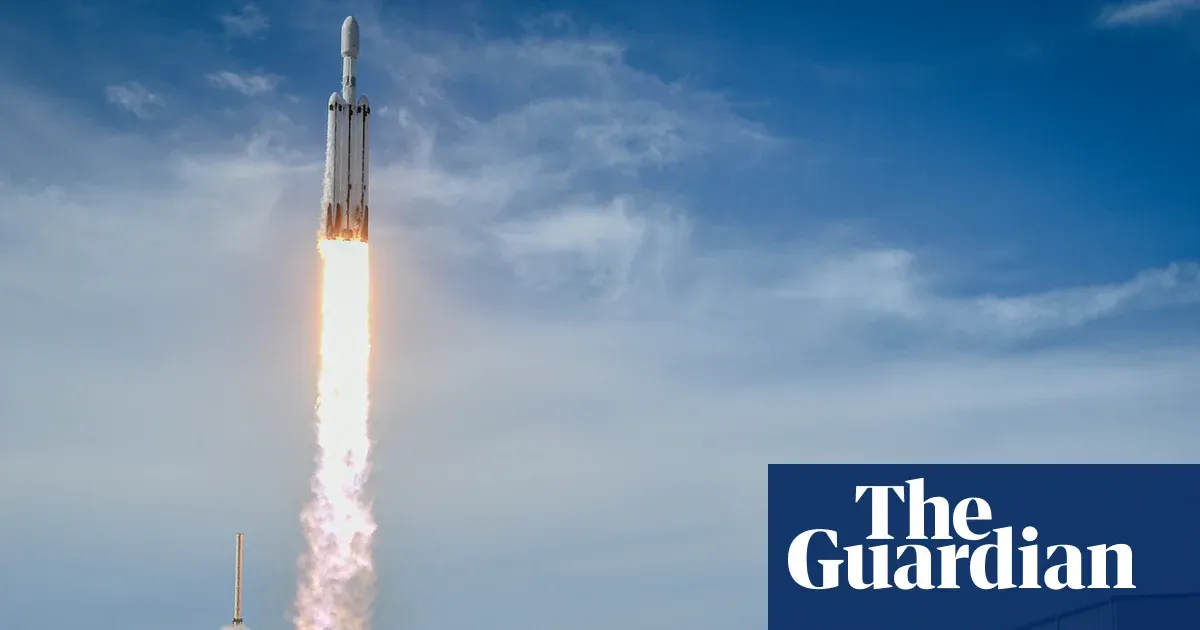
SpaceX, the aerospace and AI company, started public trading on Friday around midday at a starting share price of $150. The IPO helped propel CEO Elon Musk to become the world’s first trillionaire as the company’s valuation rose above $2tn through market close.
SpaceX just pulled off one of the rare public-market moments that changes what investors think is possible. On Friday, trading began around midday with a starting share price of $150, and the stock quickly jumped by a double-digit percentage, sending SpaceX’s valuation above $2tn where it remained through market close. That timing matters. In the span of a single session, a company that had lived in private markets for nearly two and a half decades forced the public market to price it in real time.
The other headline number belongs to the person sitting in the center of it all: SpaceX’s CEO Elon Musk. The company’s initial public offering made Musk the world’s first trillionaire. Musk even framed the transformation in plain, almost disbelief-shaped language during an address at SpaceX’s headquarters Friday morning, saying it was “hard to believe that a little company that started in a warehouse in El Segundo is now going public with the largest IPO ever.” Those words are not just personal branding. They are a reminder that for investors and boards, liquidity events can turn long private narratives into instantly measurable public valuation.
To understand why this IPO mattered beyond the ticker, look at what public listing changes. When a company stays private, it can move with fewer disclosure requirements and a slower feedback loop. But after an IPO, markets become the operating system. Expectations harden fast. The valuation that sits above $2tn after the first day is not simply a number; it becomes a benchmark that future quarters, revenue trajectories, and technical milestones will be judged against. For executives, that means every communication, risk disclosure, and operational update carries more weight because the market has already demonstrated appetite.
Regulatory and market-structure context is the hidden scaffolding of moments like this. Large IPOs require a lot of coordination between the company, its advisors, and regulators, along with a clearing process for how shares are priced, distributed, and traded after the bell. The source describes this as the biggest stock market debut in history on Friday. When something is “biggest ever,” it tends to reflect both investor demand and the sheer complexity of getting a new giant through the public-market gate. After nearly two and a half decades as a private company, SpaceX’s move to public trading essentially forced a whole new compliance and reporting reality onto the company, including how it explains risk and performance going forward.
Musk also used the moment to re-center the company’s mission in the language that SpaceX has long used to connect technology to ambition. He reiterated the company’s mission to “make humanity multiplanetary” and “take the fiction out of science fiction.” That matters because markets are not purely mechanical. They price the feasibility of future stories, then demand proof over time. When leaders bring mission language into IPO-day addresses, they are effectively telling the public investor base what they should expect: long timelines, heavy engineering spend, and a belief that scale can convert hard problems into operational capability.
There is also a board and incentive angle here, even if today’s story is told through share price and valuation. An IPO of this magnitude typically re-anchors incentives across management and early backers, reshaping how people think about risk tolerance, capital planning, and milestone reporting. Once a company’s valuation jumps and stays elevated through market close, the organization inherits a kind of public scrutiny halo. It looks like momentum, but it can quickly become pressure, because the market has already voted.
For peers, the strategic stake is immediate: SpaceX’s debut is a stress test for the entire category of aerospace and AI companies attempting to translate technical progress into capital markets legitimacy. The source notes that the company’s public trading began around midday, quickly jumped by a double-digit percentage, and held above $2tn through market close. That combination is a signal to other private-market incumbents and high-growth startups that public investors can reward scale narratives aggressively when liquidity opens. The flip side is equally important. If you are an executive preparing for your own listing, you are not just selling shares. You are entering a new reality where valuation expectations can amplify both upside and scrutiny at the same time.
Finally, there is the personal milestone embedded in the business milestone. The IPO made Musk the world’s first trillionaire, but the more consequential change is systemic. A company that started “in a warehouse in El Segundo” is now priced in the public markets at a valuation above $2tn. That is the kind of re-rating that can redraw how management teams communicate timelines, how investors benchmark risk, and how regulators think about what the next wave of high-impact IPOs might look like. For decision-makers, the question is no longer whether public markets can crown ambition. It is whether ambition can survive the new scoreboard.
This story's Key Insights and Take-aways are locked.
Create a free account to unlock Executive Actions for one credit.
Register to UnlockAlways free for Executives Club members. Join the Club
More in Business
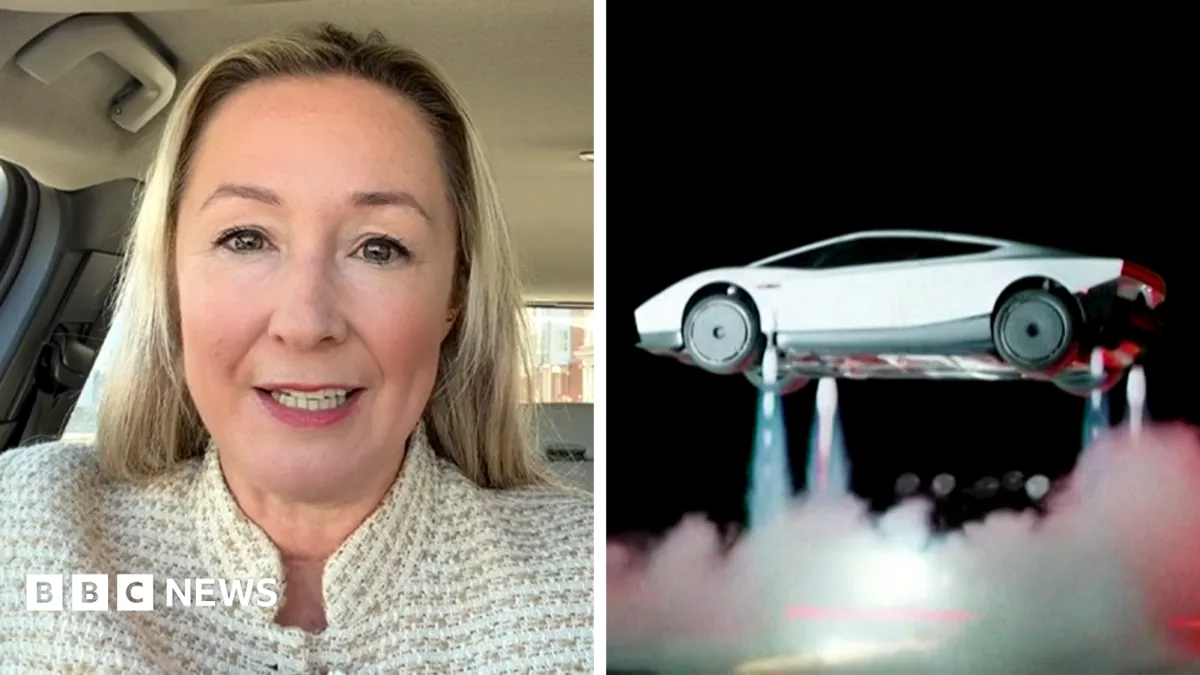
Elon Musk unveils a flying car, and SpaceX helped build it
The Tesla CEO's showcase at a SpaceX facility signals a future where road and rocket engineering converge.

Apple's $2,000 iPhone Duo opens preorders, taking on Samsung and Google
Apple's first foldable hits the market at a premium price, reshaping a category Samsung and Google have led.

Pope Leo XIV, first American pope, diagnosed with lung cancer
The 71-year-old Chicago-born pontiff underwent successful surgery on his right lung, and his diagnosis raises new questions about his AI-focused papacy and the Vatican's future.