
SpaceX IPO hits $1.96T, making Elon Musk the first $1T+ billionaire, Friday
Shares opened at $150, topped a $135 offer, and immediately sent SpaceX toward sixth-largest US by value.
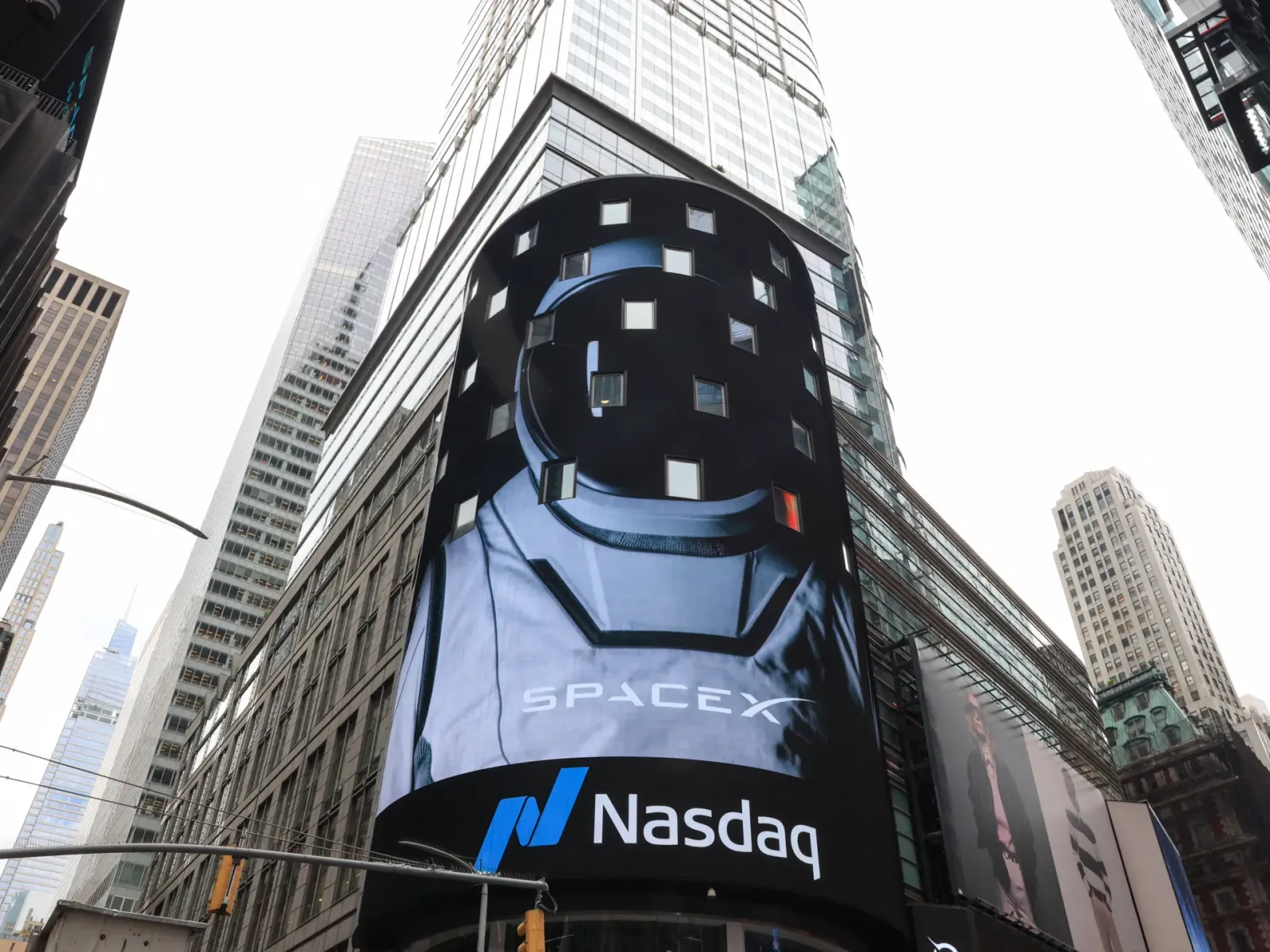
SpaceX debuted on US markets on Friday after selling $75bn in shares, valuing the company at $1.96 trillion and pushing Elon Musk to become the world’s first trillionaire. The listing opens with a 11 percent share pop and adds signal to the appetite for the next mega-IPO wave in AI.
SpaceX just landed on US public markets with a valuation of $1.96 trillion at the open, minting Elon Musk as the world’s first trillionaire. Shares opened Friday at $150, an 11 percent increase from the IPO price of $135, and the stock surged 18 percent to $159 by the end of the trading day.
By the time the market wrapped up Friday, the math was already doing the headlines’ job. The company sold $75bn in shares, which immediately put SpaceX at $1.77 trillion, and the opening market cap of $1.96 trillion still positioned it on track to become the sixth-largest company in the United States. This matters for decision-makers because it is not a gradual “maybe” valuation story. It is a live-market verdict in real time, delivered at the opening bell.
The mechanics also tell you this was treated like a high-stakes rehearsal. Trading did not start until the middle of the trading day because the exchange collected buy and sell orders and underwriters delayed trading until supply and demand were balanced. That pause is a quiet reminder of why markets obsess over debut smoothness. The article notes that exchanges and trading firms are eager to avoid technical mishaps that marred Meta’s 2012 debut. In other words, for SpaceX, it was not enough to be famous. The infrastructure had to behave.
Demand looked aggressive before the first trade even printed. The IPO was oversubscribed four times higher than otherwise expected, according to Reuters. And Bloomberg News reported that, among institutional investors allocated shares, as much as 70 percent went to long-only investments, along with sovereign wealth funds including those from Saudi Arabia and Kuwait. That mix matters because it signals a particular holder profile: buyers who are more likely to hold for growth rather than flip quickly. When you combine that with a debut pop, you get a better chance the initial run survives the first volatility wave.
The setting around the markets was supportive, too, with broader risk sentiment ticking up. The article says markets moved higher amid a possible interim peace deal between the United States and Iran that could open the Strait of Hormuz. As trading wrapped up for the week, the Dow Jones Industrial Average was up 0.6 percent, the Nasdaq up 0.2 percent, and the S&P 500 up 0.35 percent. That context is not just trivia. In a world where geopolitical headlines can whipsaw energy expectations and funding costs, a strong IPO first day in a risk-on tape helps reinforce confidence in big-cap listings.
If you want the human and governance details, they were on full display at the open. SpaceX President Gwynne Shotwell and Chief Financial Officer Bret Johnsen rang the opening bell at Nasdaq MarketSite in New York City at 9:30am local time. Meanwhile, protesters gathered outside the MarketSite on Thursday to protest the IPO, amid allegations tied to Grok, part of xAI, a subsidiary of SpaceX. The allegations claim Grok allowed users to create non-consensual deepfake sexualised images before the IPO debut. Even if those concerns do not directly hit the stock in the first day’s tape, they widen the reputational and regulatory backdrop that could matter later, especially for an issuer trying to graduate into the most scrutinized tier of public-company life.
For the capital markets ecosystem, SpaceX is doing double duty. It is not only becoming a mega-cap on day one. It is also acting as a dress rehearsal for the next generation of mega-listings, and market participants are watching investor appetite in advance of forthcoming IPOs for AI heavyweights Anthropic and OpenAI. The article includes a market-capital markets perspective from Samuel Kerr, global head of equity capital markets at Mergermarket, who said he would expect an immediate pop in trading due to hype around the deal, “north of 20 percent perhaps,” and that anything lower would make him nervous. Whether or not you agree with the framing, the underlying point is clear: debut performance becomes an industry signal that can change how investors price the next offering.
Then there is the business reality investors are supposed to underwrite, and it is more nuanced than the headline valuation. The article says the landmark listing cemented Musk’s status as the first trillionaire and propelled SpaceX into the ranks of the world’s most valuable companies, even though the firm posted a loss of nearly $5bn last year and generated only a fraction of the revenue brought in by similarly valued tech giants. The surge is also tied to growth driven by its Starlink subsidiary, which drives as much as 80 percent of its revenue. For executives, that is the central second-order takeaway: the market is pricing future dominance and ecosystem leverage, not just current profits. And for boards, it raises the question of how quickly operational performance, disclosure, and risk management need to catch up with the expectations that public-market valuations create.
Finally, SpaceX’s day did not just happen in New York. On Friday, it launched its Falcon 9 rocket with 29 satellites into space from Cape Canaveral in Florida. That kind of operational throughput is exactly the sort of “proof point” story public investors tend to reward in sectors where timelines matter. Combine a live-market valuation shock, a demand profile dominated by long-only and sovereign wealth, and an ongoing flow of mission execution, and you get a debut that is not only historic. It is potentially influential, shaping how capital allocators, underwriters, and regulators think about the next mega-IPO that wants a seat at the table.
This story's Key Insights and Take-aways are locked.
Create a free account to unlock Executive Actions for one credit.
Register to UnlockAlways free for Executives Club members. Join the Club
More in Business

Anthropic’s Levant Alpöge cracks the Jacobian conjecture after 87 years
A Harvard valedictorian used Claude to hit a 1939 breakthrough, but the missing “why” is the real problem.

Uber buys Delivery Hero for nearly $15B, vaulting to top food delivery outside China
The deal doubles Uber's dual-services footprint and pushes a ride-and-eats bundling play into 50 more markets.

Epic and Google drop settlement bid, forcing rival Android app stores by July 22
Google told the court it is ready to carry third-party app stores starting Wednesday, July 22.