

SpaceX sets $1.77 trillion price tag, and Musk keeps the wheel
The filing fixes SpaceX at 555.6 million shares at $135 apiece, while Musk still controls 82.4% of voting power and public buyers get a sliver of the float.
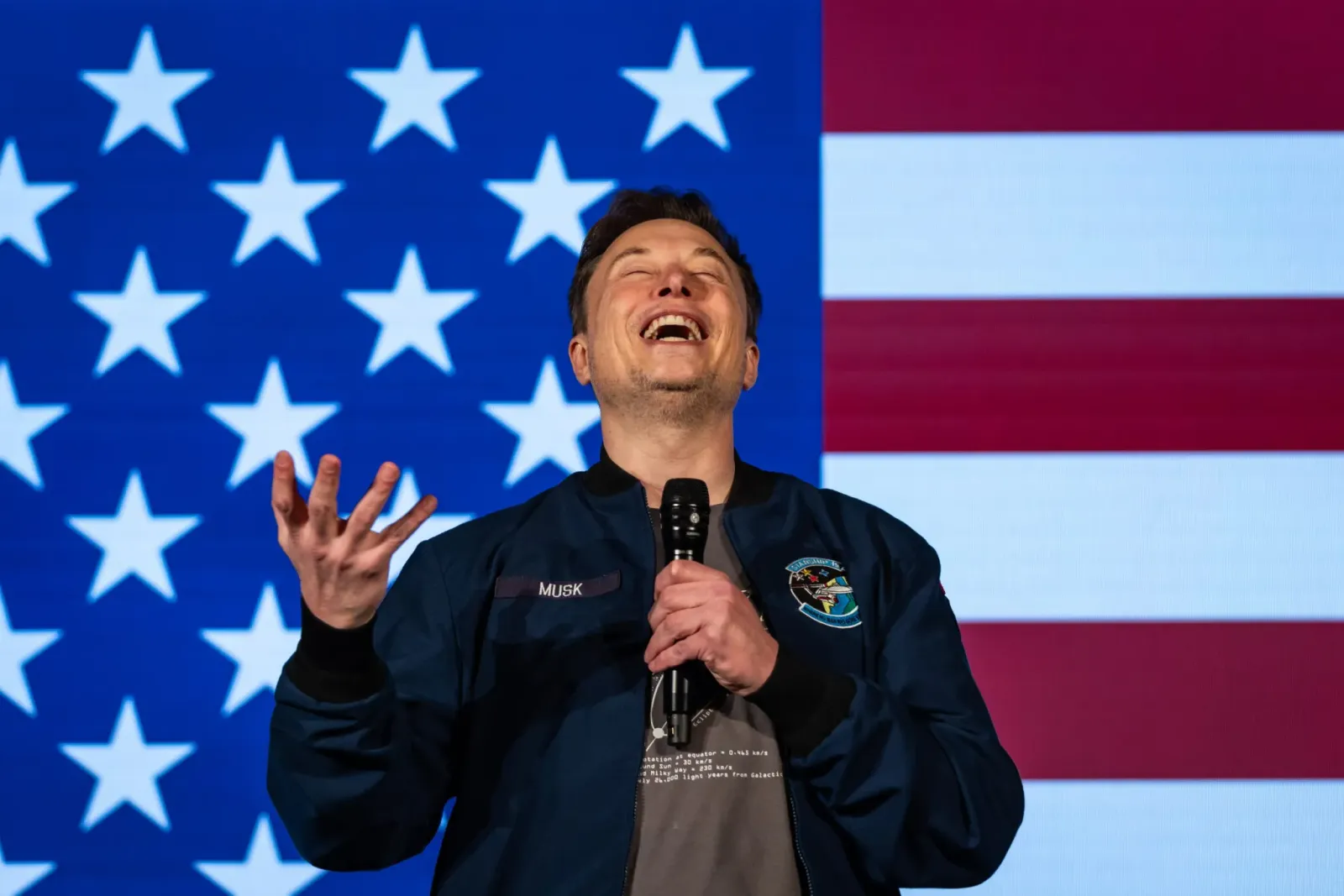
SpaceX disclosed it will sell 555.6 million Class A shares at $135 each, implying a roughly $1.77 trillion valuation and putting the company on track for the largest IPO in history. For executives, boards, and investors, the bigger story is control: Elon Musk retains about 82.4% of voting power, while most proceeds are already committed and the stock will float in a tightly managed, rule-bending debut.
SpaceX has finally put a number on the thing Wall Street has been guessing about for months: 555.6 million Class A shares at $135 apiece. That pricing, disclosed in an amended SEC filing on Wednesday, implies a roughly $1.77 trillion valuation and puts the company on track to raise $75 billion when it goes public later this month. In plain English: this is not just another hot listing. It is a record-sized debut with a price tag big enough to re-rank the corporate pecking order before the stock even starts trading.
That valuation would make SpaceX the seventh-largest company in the U.S. by the Fortune 500 list, ahead of Berkshire Hathaway and even ahead of Tesla, which trades at about $1.6 trillion. It also makes the filing a preview of what could be a very crowded summer for public markets, with two other highly anticipated IPOs, Anthropic and OpenAI, looming nearby. Anthropic confidentially filed its prospectus on Monday. The immediate question for investors is not just whether SpaceX can command this number, but whether the market can absorb a string of trillion-dollar-style offerings without breaking a sweat.
The answer to what SpaceX is, exactly, has also changed. The company is no longer just a rocket maker. In February, its all-stock absorption of xAI turned it into a money-losing satellite-internet and AI conglomerate, with proceeds earmarked partly for expanding AI compute alongside the Starlink network. That matters because it changes how investors have to underwrite the story. A rocket business, a satellite internet business, and an AI strategy all sit inside the same public wrapper now. Musk’s prospectus pitch is blunt: get a colony of a million people on Mars. The rockets are supposed to transport them there, and the AI is supposed to help organize the colony and figure out how to get a million people on Mars.
But the math around the offering is just as important as the mission statement. Fortune reported that more than three-quarters of the proceeds are already spoken for. They are pledged to repay debt held by Valor Equity Partners, X Corp, and xAI investors, and to pay EchoStar for a spectrum acquisition. That leaves less than $18 billion for the AI express. So while the headline number is $75 billion, the amount of fresh capital actually available for the most ambitious parts of Musk’s plan is much smaller. For anyone reading this like a capital allocation memo, the signal is clear: the offering is not just about funding growth. It is also about refinancing, settling obligations, and managing a balance sheet that already has a lot of roommates.
Control, though, is where Musk really tightens the screws. The filing shows the founder, CEO, CTO, and chairman holding roughly 82.4% of voting power after the offering. That is enough to elect or eject a majority of the board outright, and it makes SpaceX a controlled company exempt from certain Nasdaq governance rules. Public shareholders, in other words, are buying into the economics of a giant company, but not the power structure of one. Musk will still call the shots, and the filing leaves very little doubt about who gets the wheel when the vehicle hits orbit.
The structure of the float is equally unusual. SpaceX is expected to float barely 4% of the company, and Nasdaq index funds will be forced to absorb SpaceX shares mechanically, at whatever price prevails, because of recent rule changes. Nasdaq controversially rewrote its rules last month in anticipation of the megacap arrivals, allowing the largest IPOs to enter its prestigious Nasdaq 100 index after just 15 trading days, rather than waiting months for the index’s regular reconstitution. It also scrapped its 10% minimum float requirement. That combination matters because it can funnel automatic buying into the stock soon after the debut, while giving early investors a fast path to liquidity in what would be the biggest payday in startup history.
Even the lockup is custom-built for this moment. Instead of a standard 180-day cliff, insiders can sell up to 20% of their locked shares once the company reports its first quarterly earnings, with an additional 10% if the stock is trading at least 30% above the IPO price. The shares unlock in staggered tranches starting after the company’s second earnings report, expected to be around late July or early August. Musk himself cannot sell for 366 days. That staggered release is designed to gradually increase the float and accelerate SpaceX’s inclusion in the Nasdaq 100, which means the after-market plumbing is part of the strategy, not just a footnote.
For founders, CFOs, and boards watching from the sidelines, the lesson is bigger than one blockbuster listing. SpaceX is showing how a modern mega-IPO can be built to maximize valuation, preserve founder control, route proceeds toward pre-decided uses, and engineer index demand at the same time. That is a very specific playbook, and it will matter to any company that thinks it can arrive at public markets as both a story stock and a structural outlier. The filing starts the timer on a hot IPO summer. The real test is whether the market has the appetite, the governance tolerance, and the mechanical buying power to take in SpaceX, then Anthropic, then OpenAI, without blinking.
This story's Key Insights and Take-aways are locked.
Create a free account to unlock Executive Actions for one credit.
Register to UnlockAlways free for Executives Club members. Join the Club
More in Business
Elon Musk unveils a flying car, and SpaceX helped build it
The Tesla CEO's showcase at a SpaceX facility signals a future where road and rocket engineering converge.

Apple's $2,000 iPhone Duo opens preorders, taking on Samsung and Google
Apple's first foldable hits the market at a premium price, reshaping a category Samsung and Google have led.

Pope Leo XIV, first American pope, diagnosed with lung cancer
The 71-year-old Chicago-born pontiff underwent successful surgery on his right lung, and his diagnosis raises new questions about his AI-focused papacy and the Vatican's future.