
SpaceX targets $1.75trn IPO as investors question the price
SpaceX wants to raise up to $75bn at $135 a share, but critics say the fixed-price deal may leave buyers overpaying before book building even starts.

SpaceX is set to launch an IPO on 12 June, aiming to raise up to $75bn at $135 a share and value the company at $1.75trn, according to the source. The scale of the deal could influence how investors, boards, and rivals think about pricing risk, demand, and how much hype the market will tolerate before it starts pushing back.
SpaceX is preparing for what could be one of the most closely watched IPOs in years, with plans to go public on 12 June and raise up to $75bn from investors at $135 a share. At that price, the company would be valued at $1.75trn, a number that is already drawing sharp skepticism. Michael Hewson, senior market analyst at iForex, called the valuation “stratospherically high,” while the source says the deal is being described by some as a case of SpaceX looking “significantly overvalued.”
That is the immediate tension here: the company is trying to enter public markets at a level so high that people are questioning the price before the usual book-building process has even properly started. In plain English, book building is the process where underwriters sound out investors to see how much demand there really is for the stock. When that conversation starts with a fixed price this ambitious, it puts pressure on the entire deal. SpaceX is effectively asking investors to step in at a valuation that many may see as already priced for perfection.
The source says this eye-watering valuation would see the business included in the Nasdaq. That matters because an IPO is never just a fundraising event. It is also a public referendum on what a company is worth, and on how much faith investors are willing to place in future growth. SpaceX has become one of the most closely watched private companies in the world, so the size of this offering is doing more than trying to raise capital. It is setting a benchmark. If the market accepts this pricing, that tells you something important about how far investors are willing to stretch for elite growth stories. If it balks, that sends a different signal entirely.
The timing also makes this more than a simple listing story. A June 12 debut means the company is trying to strike while attention is high and before sentiment shifts. The source frames the deal as “one of the most hotly anticipated IPOs in years,” and that hype cuts both ways. High demand can support ambitious pricing. But hype can also become a liability if investors start asking whether they are being asked to pay tomorrow's valuation today. That is especially true when a fixed-price approach leaves less room for the market to discover a more comfortable level organically.
Hewson's warning is the cleanest snapshot of the risk. He said the company's valuation is “stratospherically high,” and that this “might put some investors off taking part in the IPO.” He added, “We think the company has been significantly overvalued and investors will have opportunities to buy the stock at more attractive levels after the IPO.” That view matters because IPO pricing is not just a math problem, it is a trust problem. If investors believe the company has come in too hot, they may wait for the stock to trade and reset rather than anchor themselves to the initial price.
For decision-makers, the broader lesson is about how markets behave when a company arrives with huge expectations already baked in. A $1.75trn valuation is not merely large. It is the kind of number that invites comparisons, debate, and second-guessing. Companies planning future offerings will be watching closely to see whether the market rewards ambition or punishes it. Boards, CFOs, and bankers can read this as a live stress test of late-stage valuation discipline, especially in situations where the public debut is expected to do as much signaling as fundraising.
There is also a second-order implication for anyone tracking capital markets more generally: once a headline valuation gets this big, the conversation stops being about the company alone and starts being about what investors are willing to accept as normal. That can influence appetite for other big-ticket deals, especially if buyers decide this is a moment to demand more evidence and less narrative. In other words, this IPO is not only about whether SpaceX can float at $1.75trn. It is also about whether the public market is still willing to chase the most ambitious private-market pricing, or whether it is ready to push back.
For now, the headline numbers are simple and massive. SpaceX wants up to $75bn, is aiming for a $1.75trn valuation, and is moving toward a June 12 IPO at $135 a share. What happens next will matter well beyond one company, because deals like this can reset expectations for everyone else trying to sell growth, scarcity, and scale in one package. If the pricing holds, it reinforces the market's appetite for elite names at almost absurd levels. If it wobbles, it could remind everyone that even the hottest IPOs still have to survive contact with investors who are counting, not cheering.
This story's Key Insights and Take-aways are locked.
Create a free account to unlock Executive Actions for one credit.
Register to UnlockAlways free for Executives Club members. Join the Club
More in Business
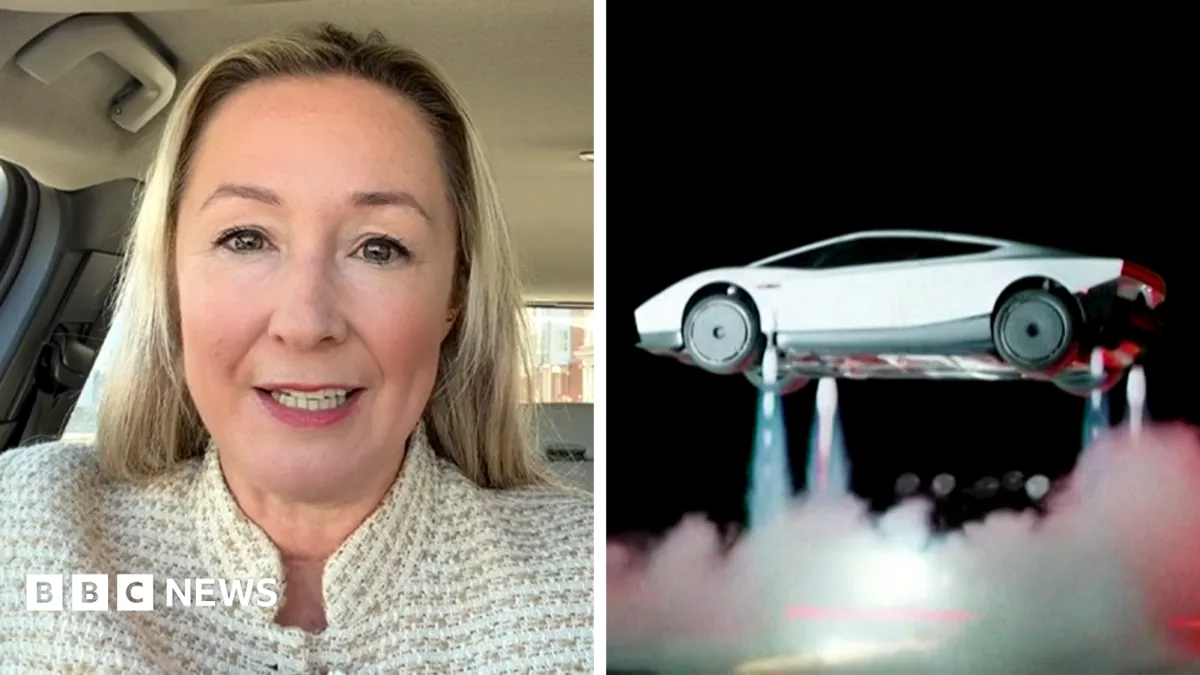
Elon Musk unveils a flying car, and SpaceX helped build it
The Tesla CEO's showcase at a SpaceX facility signals a future where road and rocket engineering converge.

Apple's $2,000 iPhone Duo opens preorders, taking on Samsung and Google
Apple's first foldable hits the market at a premium price, reshaping a category Samsung and Google have led.

Pope Leo XIV, first American pope, diagnosed with lung cancer
The 71-year-old Chicago-born pontiff underwent successful surgery on his right lung, and his diagnosis raises new questions about his AI-focused papacy and the Vatican's future.