

Stan Kroenke buys Angels for $4B, growing $26B sports empire
The deal adds the MLB franchise and its regional sports network to a portfolio already worth more than $26 billion, signaling a new era of consolidation in team ownership.
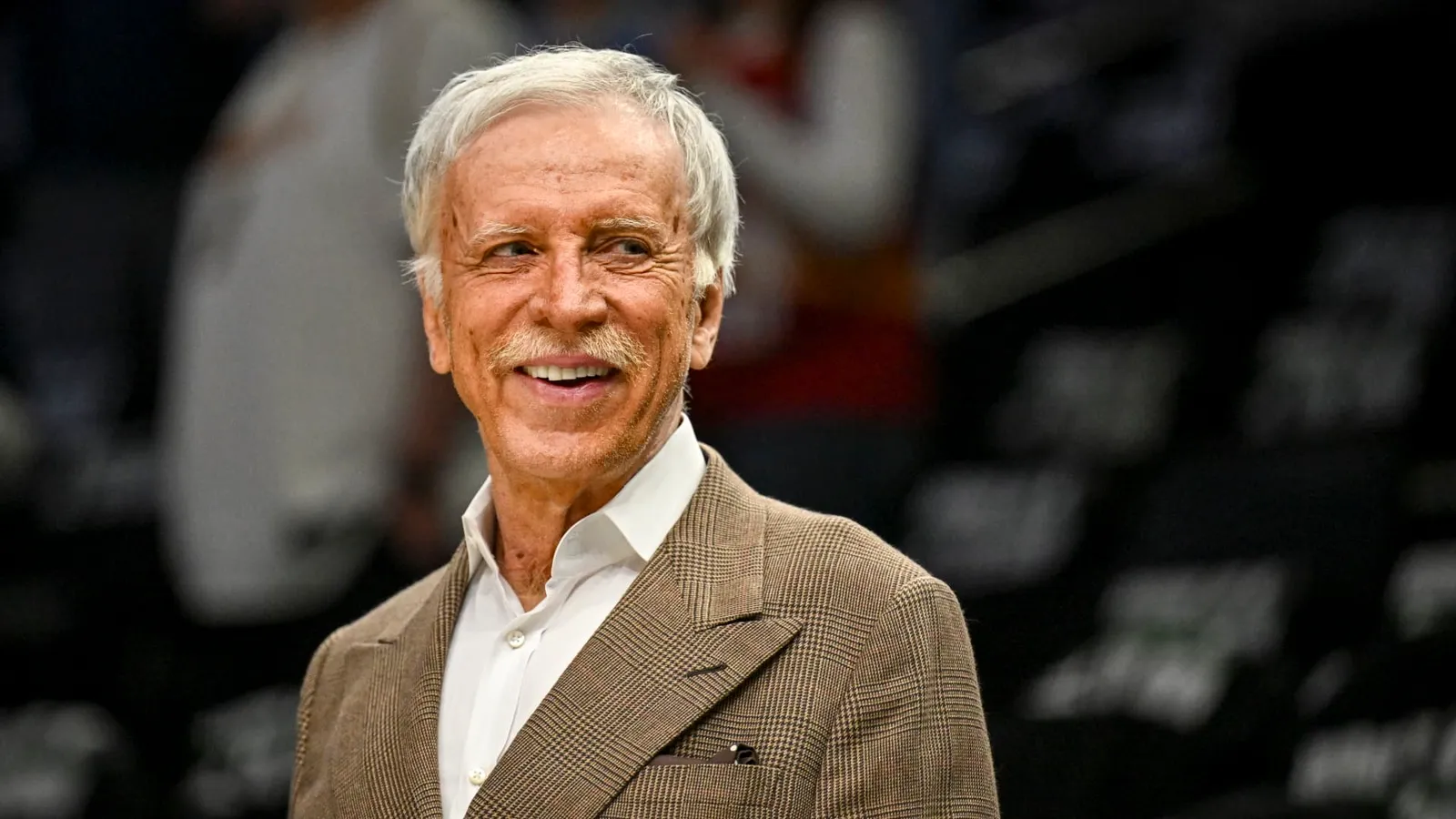
Stan Kroenke, through Kroenke Sports and Entertainment, has agreed to acquire MLB's Los Angeles Angels, valuing the team and its regional sports network at $4 billion. The acquisition deepens Kroenke's control over sports assets and underscores the strategic importance of owning both teams and their broadcast rights.
Stan Kroenke has agreed to acquire MLB's Los Angeles Angels, a deal that values the franchise and its regional sports network at $4 billion, according to CNBC. The purchase adds to a sports empire that CNBC has valued at more than $26 billion, making Kroenke one of the most powerful figures in global sports ownership. The agreement, while not fully detailed, signals a clear bet on the enduring value of local broadcast rights in an era of cord-cutting and streaming disruption.
Kroenke Sports and Entertainment, the holding company behind the deal, already controls a diverse set of assets across major leagues. The addition of the Angels deepens his footprint in Southern California, where he also owns the NFL's Los Angeles Rams. While the exact terms of the agreement were not disclosed, the $4 billion valuation for the team and its regional sports network suggests a premium for franchises that control their own distribution. For context, regional sports networks have historically been a major revenue driver for teams, but they have faced mounting pressure as cable subscriptions decline.
The inclusion of the regional sports network in the valuation is notable. Regional sports networks have been under pressure as cord-cutting accelerates, but teams that own their networks outright can control distribution and capture more revenue. Kroenke's move suggests a bet on the long-term value of direct-to-consumer models and local broadcast rights. By owning the network, the Angels can pivot more nimbly to streaming and other digital platforms, avoiding the friction of negotiating with third-party carriers. This is a strategic advantage that many teams lack, and it likely justifies a portion of the $4 billion price tag.
This deal is part of a larger wave of consolidation in sports ownership. Billionaires and investment groups are increasingly seeking to own both teams and their media infrastructure, recognizing that the real money lies in controlling the distribution pipe. The Angels' sale follows a pattern seen in other leagues, where owners are buying back broadcast rights or launching their own networks. For example, several NBA and NHL teams have moved to direct-to-consumer streaming in recent years, and MLB has experimented with local broadcast partnerships. The trend is clear: teams want to own the relationship with their fans, not lease it from a cable provider.
For other team owners, the deal is a reminder that media rights are the crown jewels of franchise value. As traditional cable bundles erode, the ability to pivot to streaming and direct-to-consumer offerings becomes a competitive advantage. The $4 billion price tag for the Angels and their network could set a benchmark for future transactions involving teams with similar assets. Owners who have already invested in their own networks may see their valuations rise, while those reliant on legacy broadcast deals could face pressure to renegotiate or risk being left behind.
Kroenke's willingness to pay up for the Angels reflects his confidence in the long-term growth of sports content. It also puts pressure on rivals to secure their own media rights or risk losing control of their revenue streams. For executives and boards across the sports and media landscape, the message is clear: owning the team is only half the battle; owning the distribution is where the value lies. The deal also highlights the increasing financial firepower of the top tier of sports owners, who are using their scale to consolidate assets and lock in long-term growth. As the lines between teams, networks, and streaming platforms blur, the winners will be those who can control the entire value chain.
This story's Key Insights and Take-aways are locked.
Create a free account to unlock Executive Actions for one credit.
Register to UnlockAlways free for Executives Club members. Join the Club
More in Business
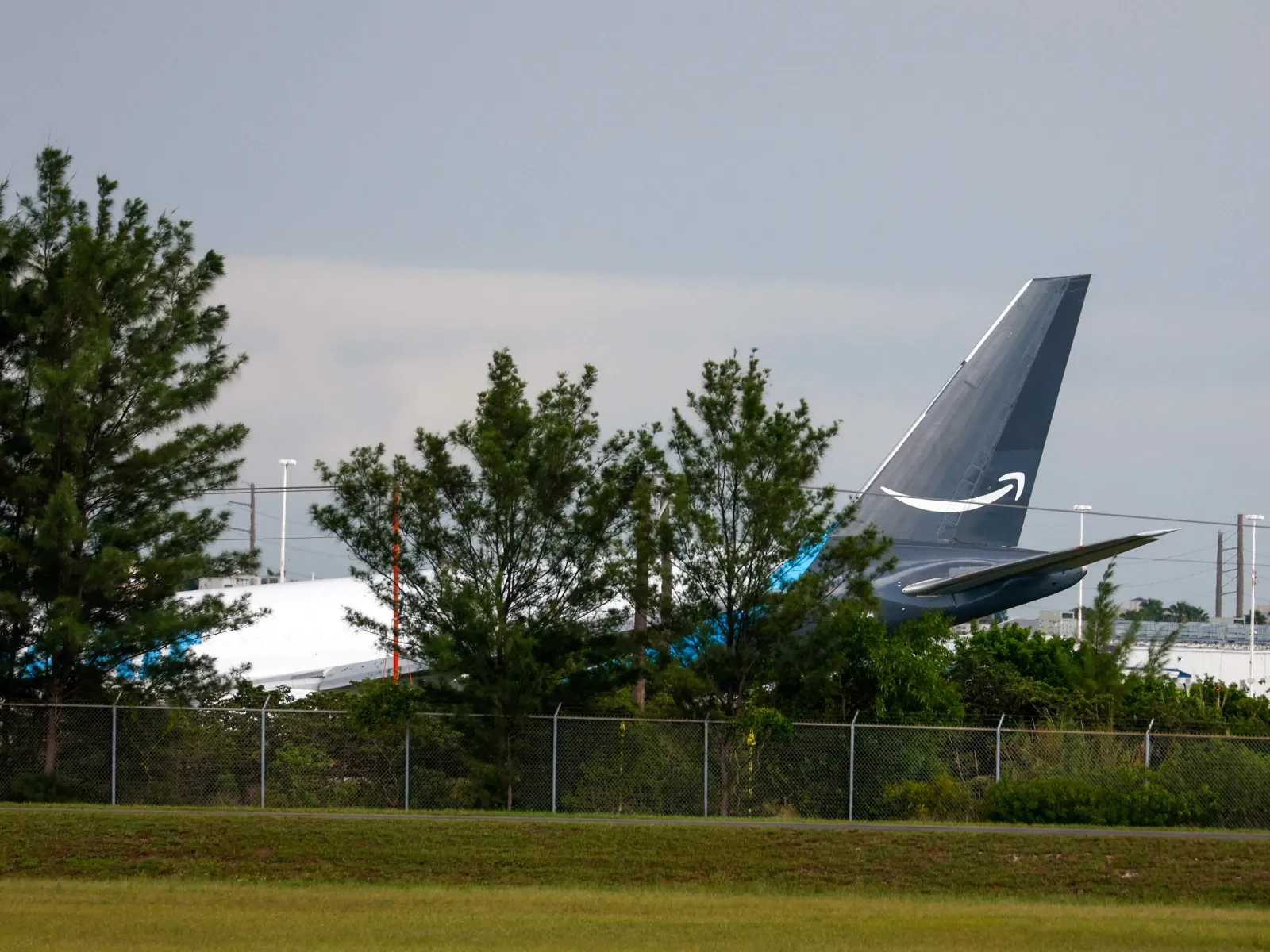
Amazon Prime Air 767 overshoots Miami runway, killing at least 5
The Boeing 767 freighter from San Juan struck vehicles and erupted in flames, prompting a ground stop and a fresh NTSB investigation into Amazon's air cargo network.

Death sentence for TV presenter Sarah Khalifa: Egypt's drug case hits media
The sentencing of Sarah Khalifa and 11 others underscores the severity of Egypt's anti-drug laws and the exposure of public figures to capital punishment.
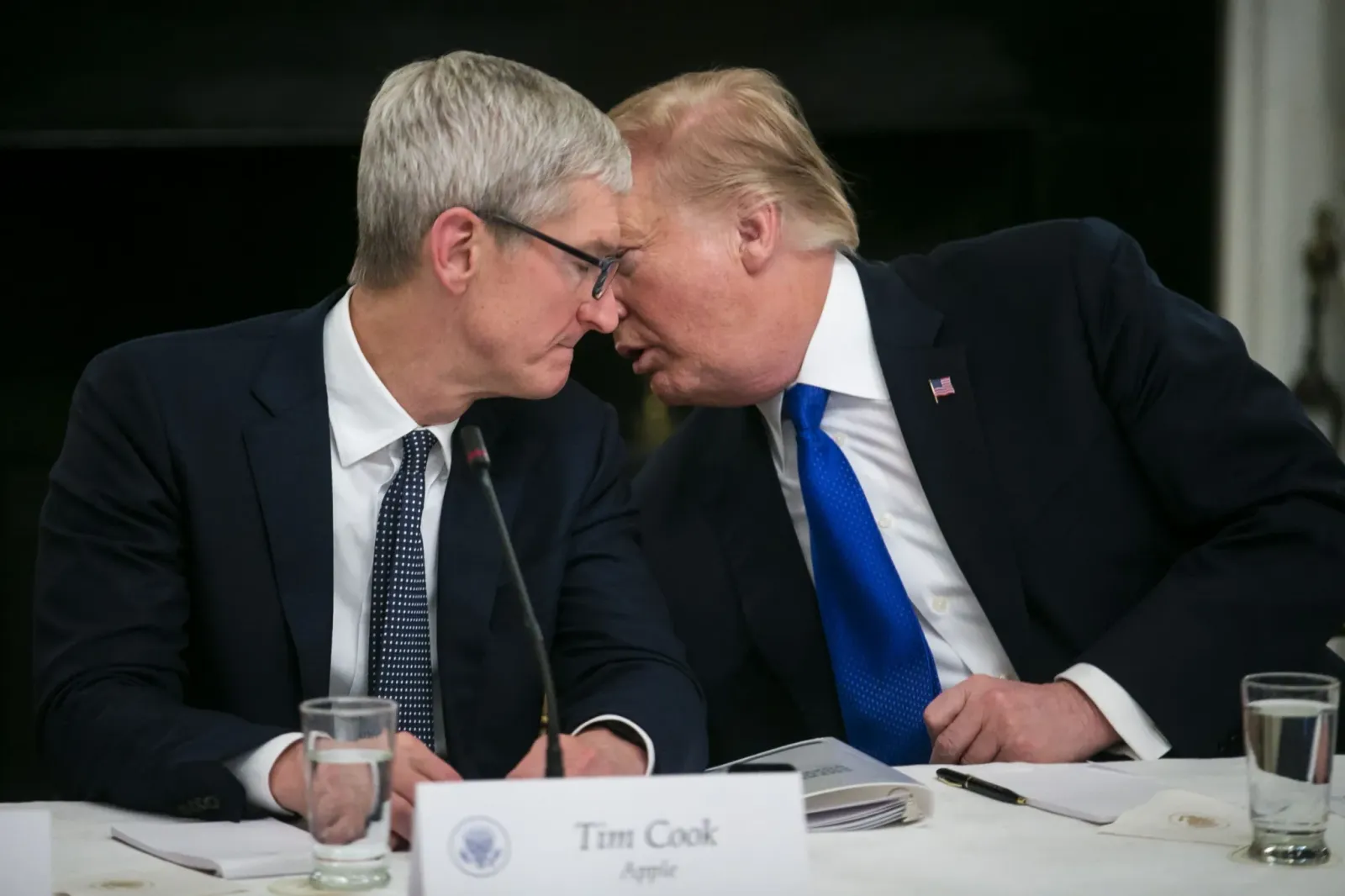
Tim Cook steps down as Apple CEO, stays on as chair with $45M equity
The 'Trump whisperer' keeps his White House and Beijing access as Apple navigates tariffs and a $4.6 trillion market cap.