
Star Wars: Galactic Racer bets on post-war hot rod racing, not nostalgia
Fuse Games and Lucasfilm Games chase a New Republic track story using real-world racing history after WWII.

Fuse Games creative director Kieran Crimmins and Lucasfilm Games executive producer Craig Derrick explain how Star Wars: Galactic Racer pulls from hot rod racing history for its first Star Wars racing game in 20 years. For decision-makers, the project signals how major IP can differentiate without leaning on dated comfort games.
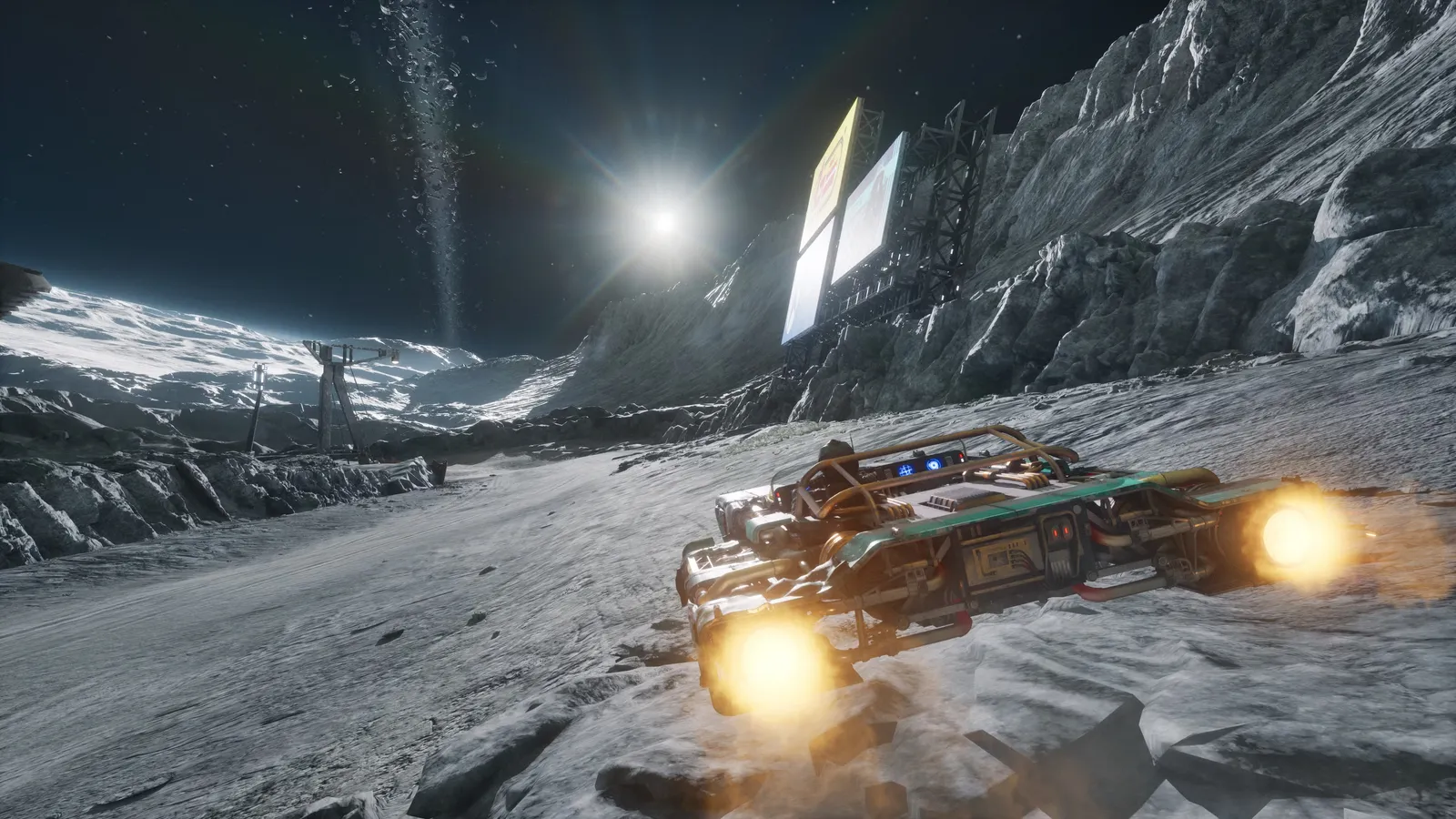
After demoing Star Wars: Galactic Racer at this year’s Summer Game Fest, Fuse Games creative director Kieran Crimmins and Lucasfilm Games executive producer Craig Derrick laid out the big bet behind the project: the game is not trying to play it safe with nostalgia. The teams, they said, were not focused on the “Nintendo 64 nostalgia” lane. Instead, they aimed to return to a different kind of inspiration, one tied directly to something George Lucas loved about Star Wars’ roots. Namely: hot rod racing, and the real-world history of it.
That context matters because Galactic Racer is not just “a Star Wars racing game.” It is the first in 20 years, and that means there is a built-in expectation gap. Fans who want familiar mechanics are going to compare it against what they already know from Star Wars games, while the company is implicitly being measured on whether it can bring something fresh without breaking the brand. Crimmins and Derrick’s framing says they chose freshness on purpose: grounding the story in post-war hot rod racing history to support a New Republic racing narrative. The hook is that the art direction is doing work that plain branding cannot. The racing history is the engine for the story’s authenticity.
Zoom out and you can see the commercial incentive. A major franchise like Star Wars is a resource allocation problem as much as it is a creative one. When you have decades of IP memory, teams face pressure to manufacture “safe” audience behavior. But that often leads to incrementalism, where every new release feels like a remix of something older. What the Galactic Racer explanation highlights is a different path: use real racing history as a differentiator so the game does not have to win purely on sentiment. If your audience is partly nostalgia-driven, you can still win by giving them something that feels like it belongs in the universe, not just something that looks like a time capsule.
Crucially, the teams’ stance is not that retro controls are bad. It is that nostalgia is a strategy with diminishing returns, especially when you are trying to justify a new first-party effort inside a huge IP portfolio. A 20-year gap raises the stakes even more, because “we waited” is a narrative investors, partners, and internal stakeholders will ask you to justify. By anchoring the post-war era of hot rod racing, the game’s creators can point to a thematic logic, not only a gameplay concept. It gives the development a clear throughline: racing culture after World War II shaped hot rod identity, and that identity is what Lucas’s love of hot rod racing helped feed into the Star Wars mythos. You are not just borrowing a vibe. You are borrowing a historical rationale.
There is also an interesting second-order implication for how these studios manage product risk. In many media businesses, post-launch outcomes depend on how the project is described before it ships. Demos at major events like Summer Game Fest function like a “market test,” where messaging is part of the product. Crimmins and Derrick’s comments show they are shaping expectations toward story grounding and authentic influence, rather than toward a simple port of a previous era. That approach can reduce the likelihood of disappointment for the audience, because it reframes what “racing” means in this context. Instead of selling an arcade nostalgia trip, they are selling a post-war New Republic racing story grounded in real racing history.
Regulatory background might not be the first thing you think of for a racing game, but there is still a compliance-adjacent reality worth noting. Game studios, publishers, and platforms operate in jurisdictions that increasingly scrutinize advertising, in-game monetization, and content representation. While nothing in the source mentions regulation directly, the exec framing implies a content strategy that stays firmly inside established franchise boundaries. That matters because it reduces “unknown unknowns” that can complicate approvals, marketing restrictions, or platform compliance. In other words, grounding a story in recognizable historical racing culture and keeping it tied to a known fictional setting can be a way to keep the project predictable where paperwork and platform standards matter.
For executives and boards watching from the sidelines, Galactic Racer is a case study in how to de-risk an IP-driven product without draining it of creativity. Betting on historical inspiration gives you a narrative north star, which can help teams coordinate art, writing, and progression systems. It can also help marketing tell a coherent story. When the pitch is “we’re making the first Star Wars racing game in 20 years,” the natural follow-up question is “why should anyone care?” The answer, per Crimmins and Derrick, is that the game’s post-war hot rod grounding gives it a reason to exist beyond consumer memory. That is the strategic lesson: a big launch can still feel new if the creative foundation has real substance behind it, not just recycled nostalgia.
This story's Key Insights and Take-aways are locked.
Create a free account to unlock Executive Actions for one credit.
Register to UnlockAlways free for Executives Club members. Join the Club
More in Entertainment
Star Wars: Galactic Racer quietly turns its campaign into a Slay-the-Spire roguelite
A hands-on look at Fuse Games shows why Burnout-style podracing makes a surprising single-player structure work.

UTA inks Coactive AI deal for creator and brand insights, betting on new AI storytelling
The agency’s new digital insights tool is built on AI-generated guidance for creators and the brands they represent.

Cole Sprouse says your indie movie could get an email from him
The Riverdale and Suite Life star lays out what he wants next, and how his indie era works.