
Star Wars: Galactic Racer quietly turns its campaign into a Slay-the-Spire roguelite
A hands-on look at Fuse Games shows why Burnout-style podracing makes a surprising single-player structure work.
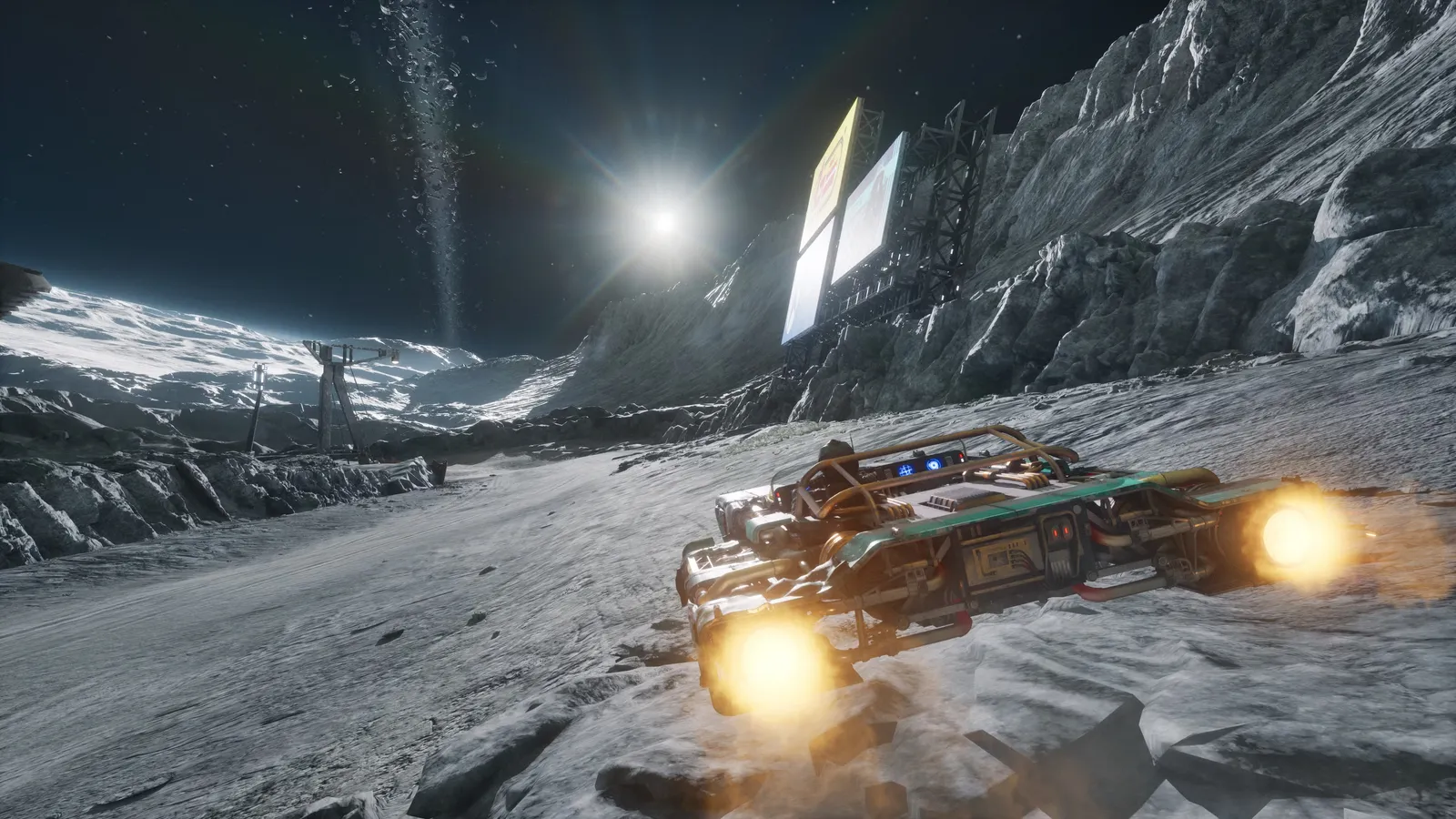
Polygon went hands-on with Star Wars: Galactic Racer from Fuse Games and found its single-player campaign built like a Slay-the-Spire-style flowchart. That creative structure changes what players expect from a Star Wars racing game, and it has real implications for how publishers think about replayability.
When I walked into my appointment to demo Star Wars: Galactic Racer, I expected a straightforward Star Wars podracing game with a Burnout-like flavor. It sounds like the kind of pitch that has a ceiling. Ten minutes into my hands-on time, though, I was staring at a mission flowchart that looked like it had been pulled out of Slay the Spire. That was the moment the preview stopped being a simple “is this fun” question and became a “what are they actually building” question.
Because I did not just see branching missions. I saw a structure that made me ask directly: “Am I playing... a roguelite?” And the surprising part is that the answer is yes. According to Polygon’s hands-on impressions, the campaign uses that Slay-the-Spire style setup, meaning the single-player experience is not only about completing races, but about navigating a flow that feels designed for replayable runs, changing paths, and the kind of strategic decision-making you normally associate with card battlers.
So how does this connect to the Burnout and podracing DNA mentioned at the start? The reason this pairing matters is that Burnout-style racing is usually built around speed, chaos, and tight moment-to-moment mastery. Podracing, in a Star Wars context, naturally lends itself to high-stakes maneuvers, adrenaline, and risk. The roguelite twist adds a layer that is usually not present in racing games: the campaign structure itself becomes part of the challenge. Instead of treating runs as a straight line, it treats them like a series of choices that can alter your route through the content.
That shift has a second-order effect for decision-makers inside studios and publishing teams. Racing games and Star Wars licensed games both have a reputation for delivering consistent thrills, but they can struggle to keep players coming back after the credits, especially when the “loop” is just repeat races. A roguelite-style campaign, by contrast, suggests a more durable engagement model. You do not only improve your skill within a fixed campaign path; you adapt to different mission flow outcomes across runs. Even if you are not thinking about “engagement metrics” day-to-day, the incentives are obvious to anyone who has watched the games market: more replayability usually means more sustained player interest, and more sustained interest usually improves the value of every hour of production that goes into content.
There is also a product clarity angle here. Mission flowcharts that resemble Slay the Spire are a loud design signal. They tell players what the game believes matters. It is not only speed. It is also planning. It is risk and reward. It is learning what decisions lead to better outcomes, then testing that knowledge again and again. In a hands-on preview, that kind of structural revelation matters because it changes the mental model for the entire experience. If you think you are buying a Star Wars racing game, but you get a roguelite campaign, your expectations can either get shattered in a bad way or, as Polygon suggests here, pleasantly surprised.
From an industry perspective, the interesting part is that this is not presented as a gimmick or a one-off mode. Polygon describes the single-player campaign as being designed like a flowchart, and the reaction is immediate enough that the word “roguelite” comes to mind. That means the studio is likely treating roguelite structure as a core pillar, not an afterthought. When that happens, it can influence how development teams allocate resources. Content is not only tracks and races; it is decision points, branching mission logic, and systems that keep outcomes varied while still feeling fair.
Now, zoom out one more step to the licensed-game context. Star Wars gives you a built-in audience, but it also creates a pressure to honor the fantasy people want, which is often motion, speed, and character fantasy. Turning the campaign into something that looks like Slay the Spire might sound risky if you believe the brand is mainly about adrenaline. Polygon’s preview suggests the opposite: Burnout and podracing are a perfect pair, and the roguelite-style mission flow is what makes that pairing more than just a theme swap.
The strategic stakes for executives, boards, and investors are straightforward even if the business metrics are not spelled out in the preview. If Star Wars: Galactic Racer can deliver a compelling single-player structure that makes the experience replayable through a roguelite-style flow, it becomes easier to justify the game as something more than a one-time campaign. That matters in a market where studios are constantly balancing production cost against long-tail retention. It also matters for peers trying to decide whether to bet on hybrid genres. This is one of those moments where a design decision you might overlook in a first look, the mission flowchart, appears to be the thing that determines whether the product has legs.
This story's Key Insights and Take-aways are locked.
Create a free account to unlock Executive Actions for one credit.
Register to UnlockAlways free for Executives Club members. Join the Club
More in Entertainment

Star Wars: Galactic Racer bets on post-war hot rod racing, not nostalgia
Fuse Games and Lucasfilm Games chase a New Republic track story using real-world racing history after WWII.

UTA inks Coactive AI deal for creator and brand insights, betting on new AI storytelling
The agency’s new digital insights tool is built on AI-generated guidance for creators and the brands they represent.

Cole Sprouse says your indie movie could get an email from him
The Riverdale and Suite Life star lays out what he wants next, and how his indie era works.