
Steam lets players try 5 top games for free until June 22 at 1 p.m. EDT
A limited-time free-to-play weekend for five headline titles, plus Keep-It-Free for Tell Me Why through Pride Month.

Steam’s latest free-to-play weekend opens access to five high-profile games for free until June 22 at 1 p.m. EDT. For decision-makers, the promotion is a measurable customer-acquisition push with follow-on revenue via concurrent sales.
Steam is running a limited-time free-to-play weekend that lets players try five high-profile PC games for free until June 22 at 1 p.m. EDT. If you have been watching Steam’s promotional calendar and wondering how publishers squeeze both engagement and revenue from the same traffic spike, this weekend is a clean example of the playbook.
The lineup matters because it is not just “pick-a-random-indie” vibes. The promo includes a grand strategy classic, one of 2025’s best games, and a multiplayer juggernaut. Those three categories pull on different parts of the PC gaming funnel. Grand strategy tends to reward commitment and longer session time. A top-rated 2025 release signals quality and current demand. A multiplayer juggernaut is built for social proof and returning players. Steam is essentially letting different audiences sample the genre they already care about, then nudging them toward purchase if they like what they played.
And the timing is tight, which is the point. Steam says players can play the five games for free from now through June 22 at 1 p.m. EDT. That means publishers and Steam alike get a focused window to convert curiosity into action. In business terms, this is a short-cycle marketing moment, with the offer expiring at a specific timestamp rather than “sometime this month.” Short-cycle promos are attractive to stakeholders because the metrics are straightforward: installs, playtime during the trial window, and conversion after the trial ends. Even if the exact conversion rate is not published here, the structure is engineered for attribution.
There is also a practical commercial angle: Steam notes that all of the featured games are “currently on sale too.” That matters because it removes a common friction point in free trials. When the trial ends and the discount does too, players have to decide immediately, while the game is still fresh in their head. The promo effectively bundles two offers: access now, discount later, conversion in one continuous shopping moment. For publishers, that is the best of both worlds, more top-of-funnel experimentation without giving up the ability to monetize during the same visit.
Steam’s post-trial merchandising is the other half of the story. If players buy after trying, publishers benefit from higher revenue per acquisition, while Steam benefits from marketplace take rates. Steam’s promotional approach is often described as “a marketplace that behaves like a media company,” and weekends like this show why. They are not just price cuts. They are curated events that bring people back to the platform, then keep them there long enough to decide.
Beyond the five-game trial weekend, there’s a separate “keep it” carrot for Pride Month. Don’t Nod’s narrative adventure game Tell Me Why is free to keep for the rest of Pride Month. That gift model is different from the trial-and-convert model. “Free to keep” is closer to brand building and audience acquisition, because the purchase decision is removed. For executives, these two mechanics together are telling: Steam can use trials to produce measurable conversion while using permanent freebies to broaden the audience base and create long-term goodwill.
Zoom out one level and the second-order implications become clearer. In crowded storefront ecosystems, attention is the scarcest resource. Free-to-play weekends are a way to concentrate demand around a specific date range, which helps games cut through algorithmic noise. The most important part for decision-makers is not whether you personally play these titles. It is what the promo signals about distribution strategy: publishers who align with major platform events can ride a wave of discovery, then monetize during the window with sales that are already live.
For boards, investors, and operators watching PC gaming, the strategic stake is straightforward. Platform-led promotions can move the needle quickly, but they also raise the competitive bar for how fast a game can earn trust during a trial window. Multiplayer games, especially, rely on early retention and community momentum. Story-driven games rely on engagement and pace in the first hours. Grand strategy players often need time to feel the depth. A promotion like this pressures teams to make onboarding excellent and pricing logic clean, because the clock is not in weeks, it is in hours and minutes. When Steam puts five headline titles on a timed free schedule, it is not just giving away games. It is running a high-speed test of who can convert attention into revenue.
This story's Key Insights and Take-aways are locked.
Create a free account to unlock Executive Actions for one credit.
Register to UnlockAlways free for Executives Club members. Join the Club
More in Entertainment
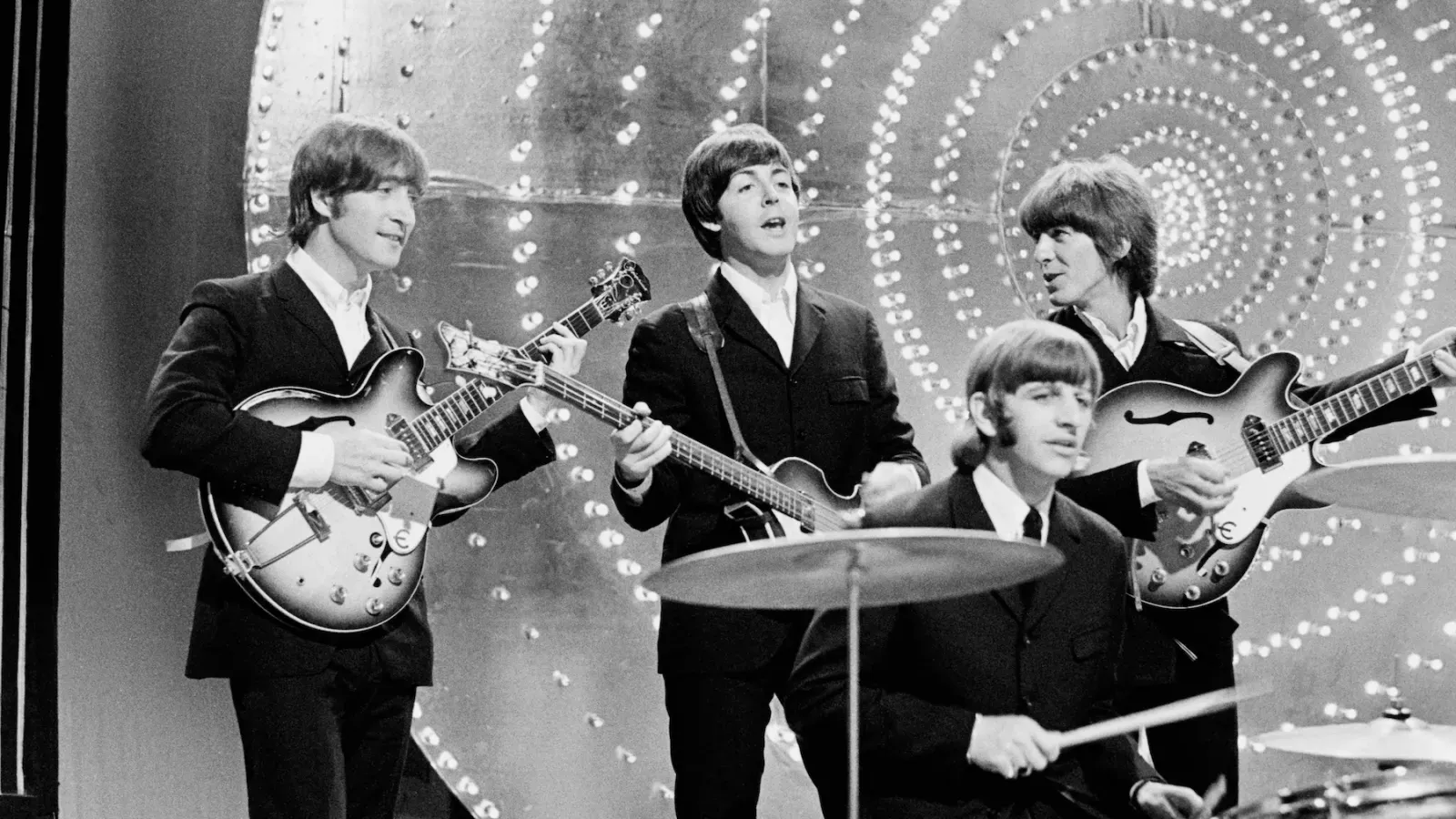
BBC erased The Beatles 1964 Top of the Pops clip, but 35mm footage survived
A lost Beatles performance is back thanks to British conservationists, turning media archival risk into real leverage.
Ubisoft co-founder Claude Guillemot dies in June 19 plane crash
The Ubisoft co-founder behind breakout franchises is gone, forcing the company to absorb shock and preserve continuity.
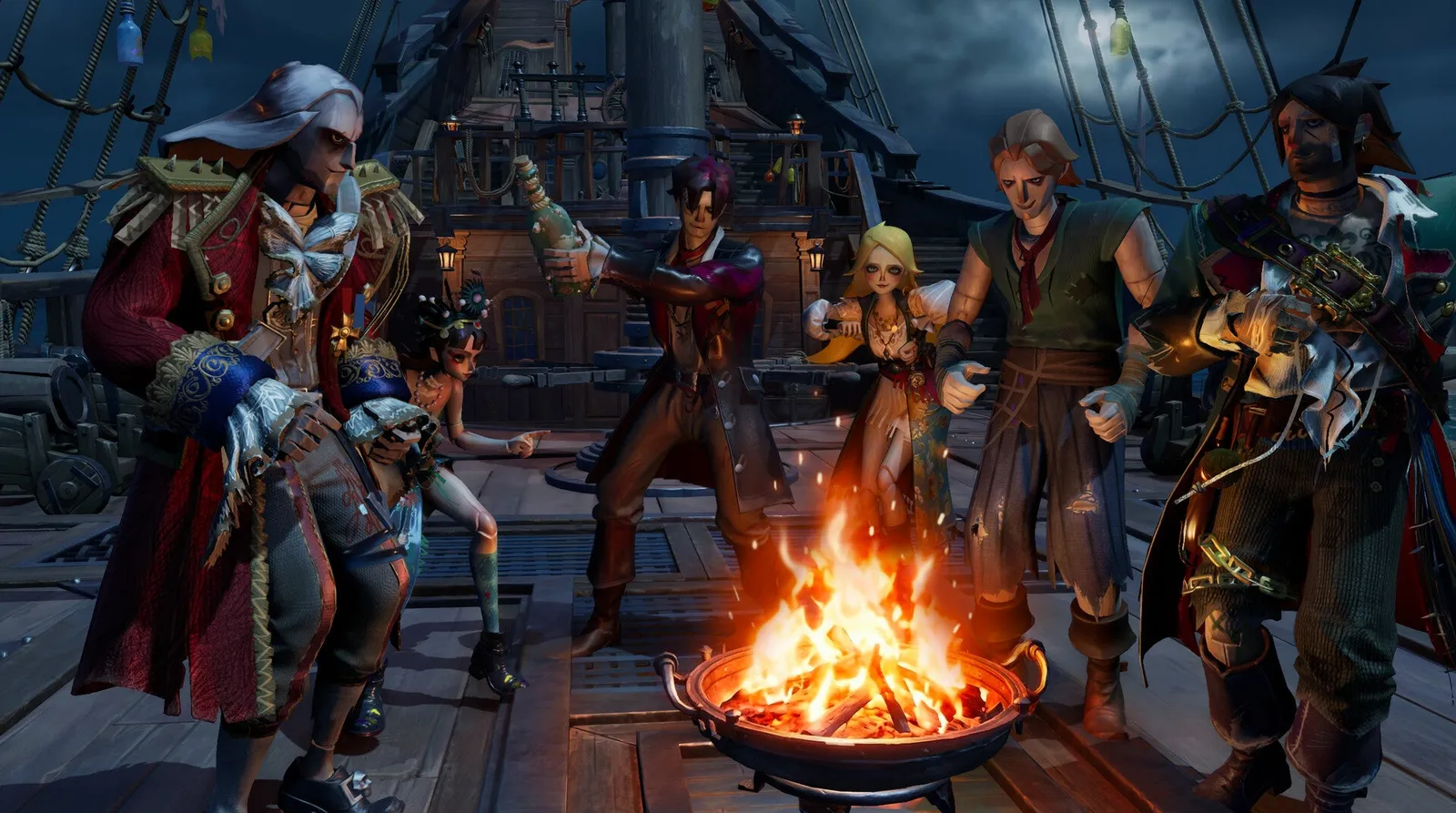
Sea of Remnants turns ship combat into Kraken chaos, then wipes you completely
A Summer Game Fest 2026 demo shows gorgeous puppet-punk oceans, turn-based crew fights, and a time-slowing boss ambush.