

Steam refund fight: Zoroarts dev says Valve’s policy is “super easy” to abuse
Mateo Covic backs refunds overall, but argues Steam’s “no questions asked” rules invite free-game behavior.

Mateo Covic, a developer at Zoroarts (Paddle Paddle Paddle), went viral after more than 55,000 refunds on his short rage game. He tells GamesRadar+ he is “100% pro refund,” but says Valve’s two-week, under-two-hours policy makes abuse too easy.
Mateo Covic, the developer behind Paddle Paddle Paddle at Zoroarts, says Steam’s refund system is “super easy” for players to abuse, even though he is “100% pro refund.” His comments came after more than 55,000 people requested refunds for his well-reviewed short rage game, a number he says is not out of band for the genre. In the same breath, he points to Valve’s own refund rules, which warn against “gaming the system” “as a way to get free games,” and he argues the current reality gives users more room than the rules acknowledge.
Covic’s core message is simple and a little uncomfortable for anyone building or investing in games on Steam: consumer protection is good, but a “no questions asked” system can turn into a shortcut. He frames the policy as a mismatch between intent and behavior, arguing that the “no questions asked if you request a refund within two weeks and with less than two hours of playtime” approach makes it easier for some players to try a title, decide not to keep it, and move on without accountability. “Steam says that refunds are not for people to play games for free,” he tells GamesRadar+, and he says refunds should be requested when the Steam page misled you with wrong information, the game had problems that prevent you [playing or enjoying] the game, and other similar reasons found in the Steam policy.
The story quickly became personal. Covic says his viral tweet left him dealing with “hateful DMs and insulting comments” at a level he had never seen before, and Paddle Paddle Paddle was “review bombed already.” The outcome was not just noise. He says the game moved from very positive recent Steam Reviews to mixed ones. And that shift matters because on Steam, reviews influence discovery, conversion, and perceived risk. When refunds spike and review sentiment sours, it is a compounding problem: even players who refunded might have tried, disliked, or churned anyway, but public perception adds an extra layer that can change who clicks next.
Covic also clarifies something important for how executives and boards should read this: he is not claiming his game’s sales were harmed by the refund count. He argues the opposite, or at least he denies the “refund numbers prove failure” narrative. He says his tweet targeted people who enjoyed the game, wrote a positive review, and refunded anyway “just because they can.” He emphasizes that he was not trying to remove refund rights. “Many people think that I’m a complete asshole now and want to remove the refund policy in general but that was never my intention,” he says. Still, the damage to reputation and sentiment is real, and it is one of the less-discussed costs of platform policy debates: even when your intent is consumer-friendly, public backlash can land anyway.
Under the incentives, the conflict gets clearer. Covic singles out an argument made by Twitter user and game curator Indie Game Joe: that Steam’s refund policy gives users protection that makes it easier to try some games, which can lead to more sales overall even if it can also increase refunds. Covic says that stance gave him pause. He even backs it with genre-relevant benchmarks he says he found during research: a refund rate of 20% is “pretty normal for a rage game,” and overall a refund rate of 10% is “normal for games on Steam.” He then reframes what likely helped his title: cheap pricing. He points to the game’s price of $2.99 on sale and says that when players saw the trailer they often said it looked fun, but the price was what made them willing to try immediately.
This is where the board-level implications hide in plain sight. When you treat refunds as a reputational or cash-flow issue, you focus on the wrong metric. Refund policy changes the entire funnel math. It can reduce the friction of first-click commitment, but it also changes which customers count as “real” versus “trial,” and it creates an incentive to optimize around policy windows. Covic dismisses one version of that incentive: intentionally making games longer to dodge the two-hour refund window. He worries Steam’s policy could discourage shorter games in this direction. If shorter experiences become disadvantaged, that can reshape creative strategy, not just pricing. In other words, a platform-level rule can influence product design decisions even if the rule never explicitly mentions design.
He ends by returning to enforcement and transparency. Covic says he does not know how many refunds were made with a true reason since, in his view, a player could lie and choose one of the possible refund reasons. He points out Steam’s “no question asked” policy makes it “super easy and quick” to do that, and he calls out the practical consequence: refund reasons like “too difficult” might be genuine, but the system also benefits players who do not follow through with helpful feedback. He says it would help if refunded players left a comment that identifies problems, which would let him fix issues. That is a direct line from consumer rights to developer learning loops, and it is a reminder that refunds are not just money movement. They are also signals.
For executives, founders, and investors watching Steam, this episode is less about one dev venting and more about how platform policies create second-order behavior. If policy makes trial friction low, then marketing and pricing matter more, and review sentiment can become volatile around refund-related controversies. The hard question is not whether refunds exist. It is whether the policy structure encourages good-faith use or opportunistic free-play behavior, and how that shapes game design incentives, customer feedback quality, and long-term brand trust in a marketplace where “very positive” can become “mixed” quickly.
This story's Key Insights and Take-aways are locked.
Create a free account to unlock Executive Actions for one credit.
Register to UnlockAlways free for Executives Club members. Join the Club
More in Entertainment
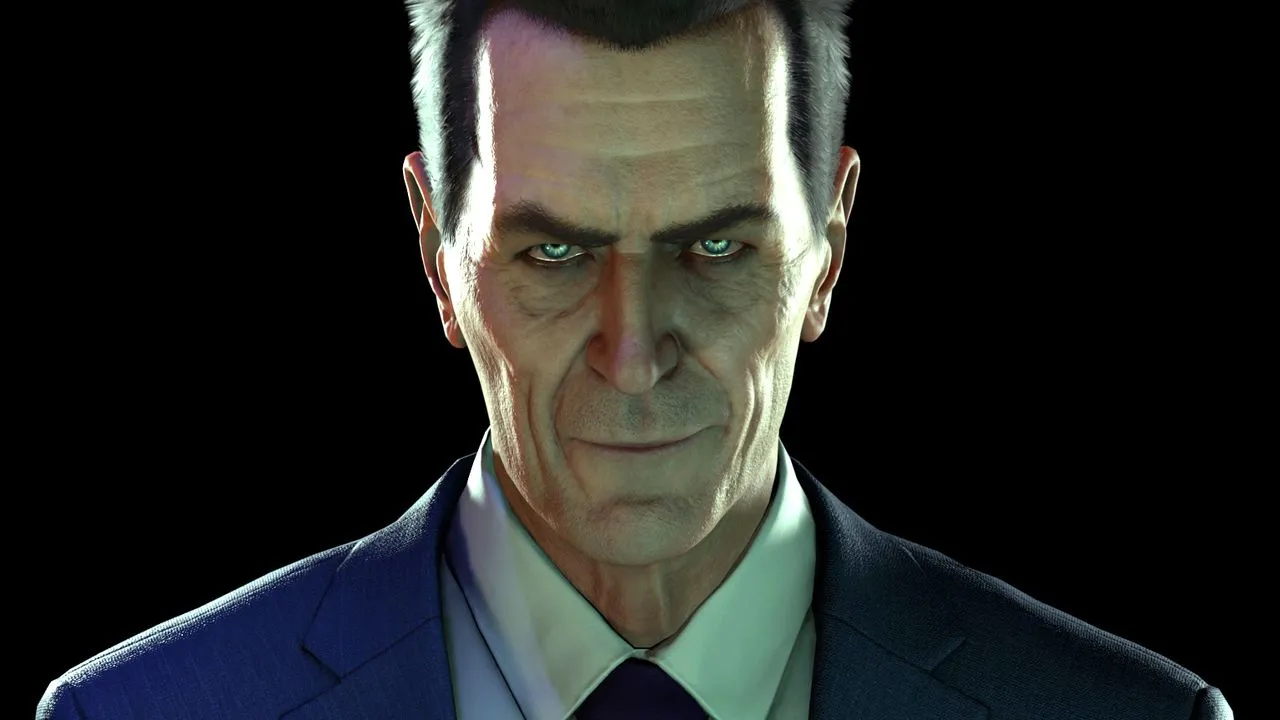
12TB Steam 'teraleak' goes beyond Valve: GTA 3, Mafia 2 prototypes exposed
A 12-terabyte dump of Steam data reveals prototypes and builds of third-party classics like GTA 3 and Mafia 2, plus unreleased Valve content, rewriting game history.

LinkedIn's romance problem: 1 in 4 workers say dating on it is fair game
A new survey shows a quarter of U.S. employees treat the professional network as fair game for romance, even as LinkedIn bans it and removes hundreds of thousands of offending posts.

Enhypen's first No. 1 album breaks K-pop's Billboard 200 streak
The K-pop group's 98,000-unit debut tops the chart while Dolly Parton's catalog reentry shows how death reshapes streaming.