
Steven Spielberg ends E.T. “slimy vs dry” debate: “a little moist,” never slimy
The director finally weighs in on the viral touch-test question, and he draws a hard line between moist and slimy.
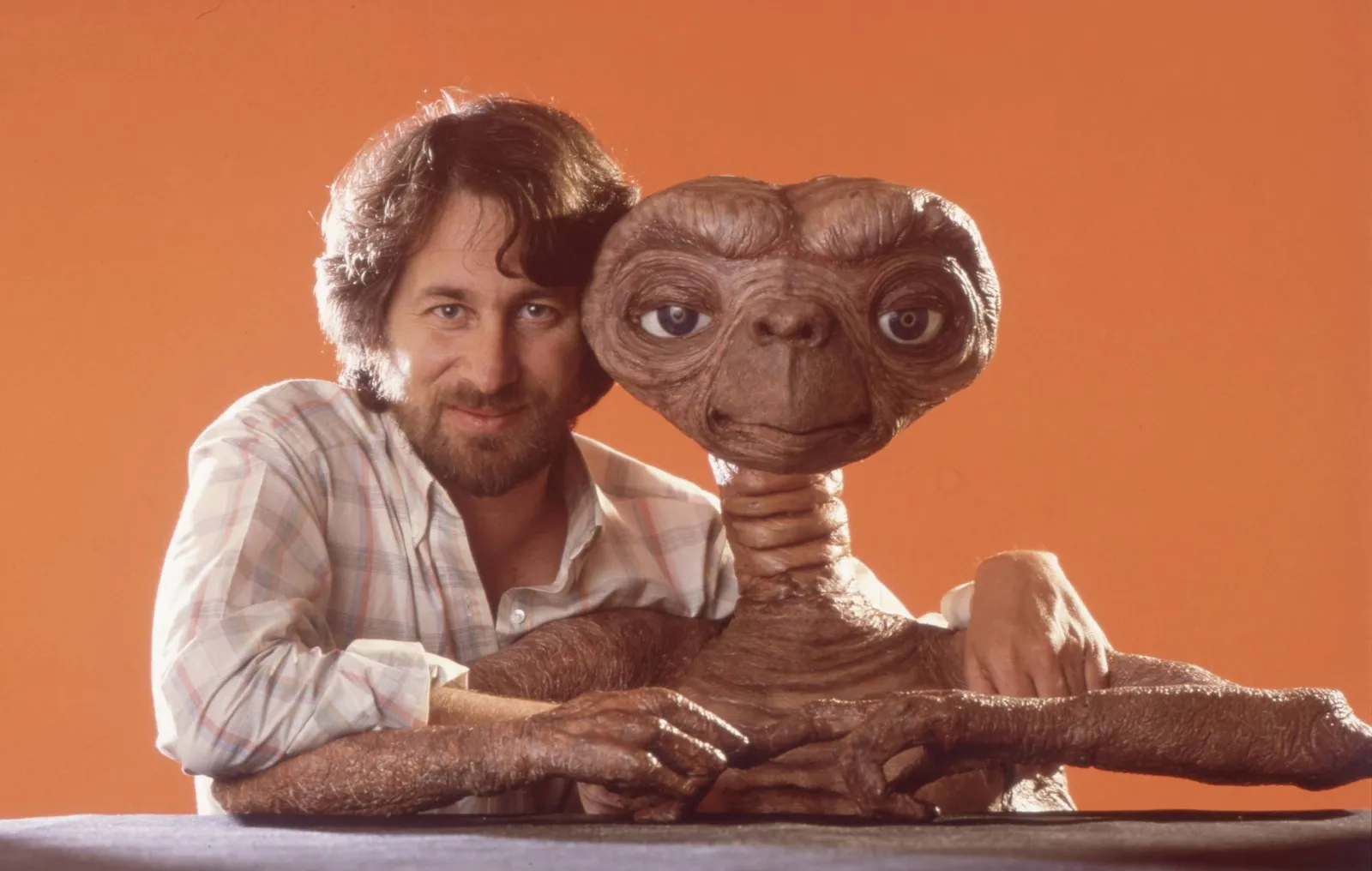
Steven Spielberg, appearing as a guest on The New York Times podcast The Daily, said E.T. was “a little moist but never slimy,” and only got “dry when he got sick.” The verdict matters to media executives because it turns an internet obsession into a clean, quotable canon moment tied to the original 1982 film.
Steven Spielberg finally answered the viral question everyone pretends they never discuss: was E.T. “slimy” or “dry”? On The New York Times podcast The Daily, the director said he had “never been asked” that exact thing before, then delivered a definitive verdict that is weirdly satisfying in its precision. His line: “E.T. was a little moist but never slimy,” and he was “only dry when he got sick.”
So yes, the internet debate has a winner. Spielberg’s answer splits the difference in a way that also explains the mythology. He even contrasted E.T. with a creature he would label as slimy, citing Ridley Scott’s Alien. “That’s slimy!” he said, adding that E.T. “never had the tendrils of drool,” and that “We didn’t go that far.” In other words, E.T. could feel damp in Spielberg’s framing, but he was never marketed, designed, or characterized as wet, drooly, and gross. It is a canon clarification that turns a meme question into something like brand control for a classic.
If you are an executive who thinks about media as a long game, this matters for two reasons. First, Spielberg is not just talking about a film prop or a creature texture. He is setting boundaries around how an iconic character should be remembered, with language that is easy to quote. The second-order effect of that is that it can reshape how marketing, press, and even fan commentary talk about E.T. for years. When the filmmaker of record provides a clean rule, the audience stops arguing in muddy categories and starts repeating the rule.
This all lands while Spielberg is still heavily in the zeitgeist for a very different reason: his newest film, Disclosure Day, which is currently “riding high at the global box office.” In that movie, Josh O’Connor plays a whistleblower racing against time to expose a conspiracy by the government to conceal knowledge of extra-terrestrial life having visited Earth. Emily Blunt, Colman Domingo, and Colin Firth are also in the cast. In other words, even when the question is about saliva and skin, Spielberg’s current slate keeps pulling the same lever: public belief, institutional secrecy, and the allure of the extraterrestrial.
NME’s review of Disclosure Day describes it as big, smart, and very satisfying cinema, and specifically notes the presence of “some beautiful emotive moments” alongside “frankly stunning action sequences.” It also mentions that Spielberg devised the original story, then turned it into a script with regular collaborator David Koepp. The review flags that “some will balk” at moments in the conclusion that “veer too sentimental,” while others will want a shorter running time. None of that is about E.T. dryness. But it does reinforce a pattern: Spielberg’s work continues to be packaged as emotionally accessible blockbuster storytelling with clear stakes and a strong point of view.
Now zoom out to what makes the E.T. moment particularly interesting for decision-makers: the filmmaker is also on record with sequel thinking. Last year, Spielberg revealed that he flirted with the idea of making an E.T. sequel set in space, situated on the character’s home planet. He cited the novel The Green Planet by E.T. novelisation author William Kotzwinkle. But he concluded the concept “was better as a novel than it would have been as a film.” That is a subtle but important creative constraint. It suggests that even when Spielberg is tempted to expand a universe, he chooses where the medium fits, and he backs away when the story’s strengths might not translate to screen.
Put those threads together and you get a bigger lesson than “moist but not slimy.” E.T. is a 1982 film character who Spielberg directed, and it became a runaway success, reaching a status that held for 11 years: it was the highest-grossing film of all time until Spielberg’s own Jurassic Park surpassed it. When something reaches that level of cultural saturation, audiences treat it like shared folklore. Viral debates pop up because people feel entitled to interpret the lore. Spielberg’s response is, effectively, a lore update. It is not a market strategy memo, but it behaves like one.
Executives and boards should care because the industry is constantly trying to manufacture attention, and attention is now often anchored in weirdly specific fandom questions. When the original creator resolves the question with language that the internet can repeat, you get free distribution of a clean narrative. And because Spielberg is also described as an avowed believer and synonymous with aliens, his comments carry extra weight in how audiences expect the next wave of sci-fi to feel. The strategic stakes are simple: if you manage intellectual property or invest in franchises, you do not just compete for box office. You compete for the story people tell each other when your movie is not in theaters. Spielberg just helped settle what people were telling each other about E.T. physicality. In a world where engagement is often emotional and symbolic, that kind of clarity can be surprisingly powerful.
This story's Key Insights and Take-aways are locked.
Create a free account to unlock Executive Actions for one credit.
Register to UnlockAlways free for Executives Club members. Join the Club
More in Entertainment
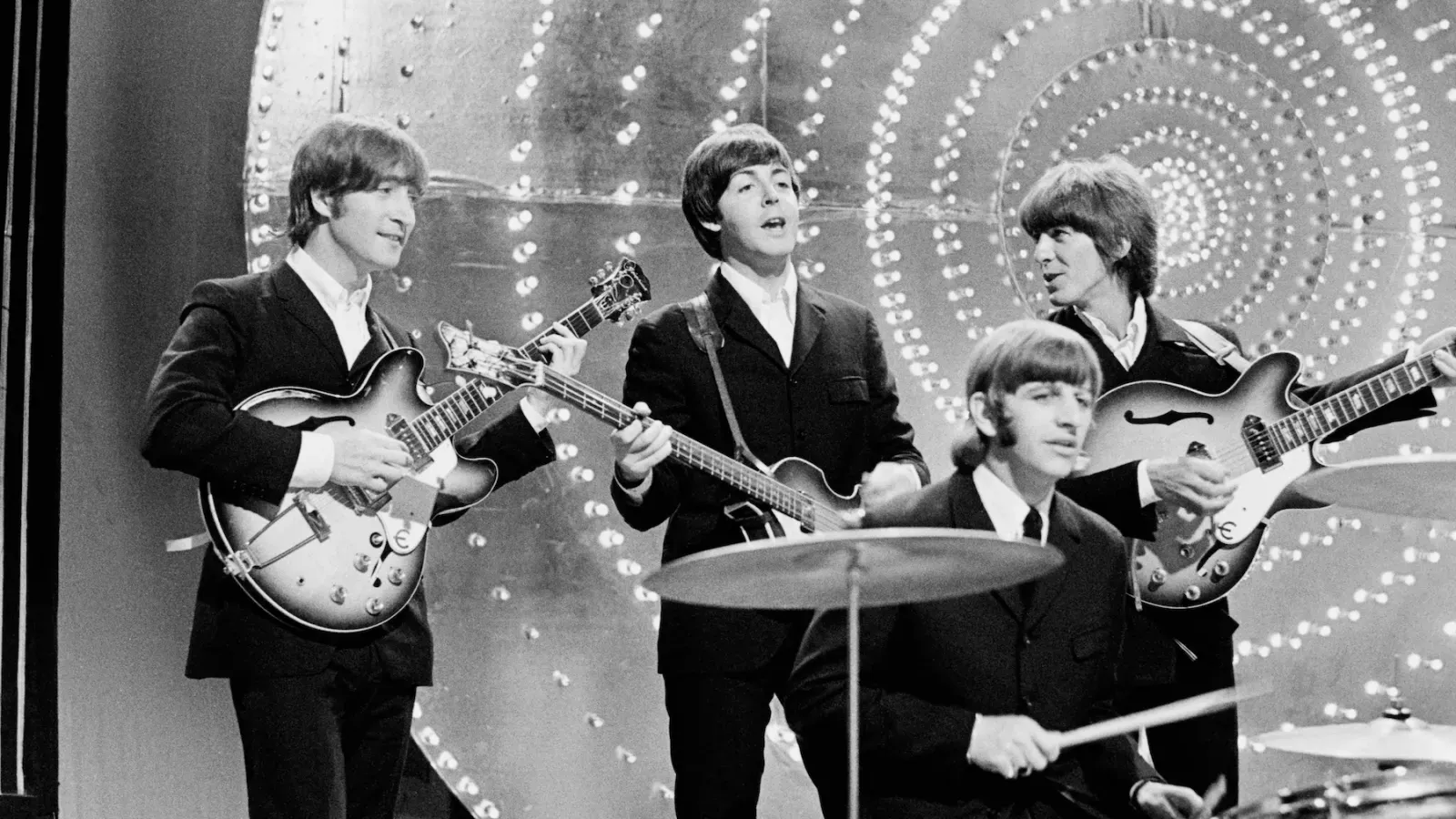
BBC erased The Beatles 1964 Top of the Pops clip, but 35mm footage survived
A lost Beatles performance is back thanks to British conservationists, turning media archival risk into real leverage.
Ubisoft co-founder Claude Guillemot dies in June 19 plane crash
The Ubisoft co-founder behind breakout franchises is gone, forcing the company to absorb shock and preserve continuity.
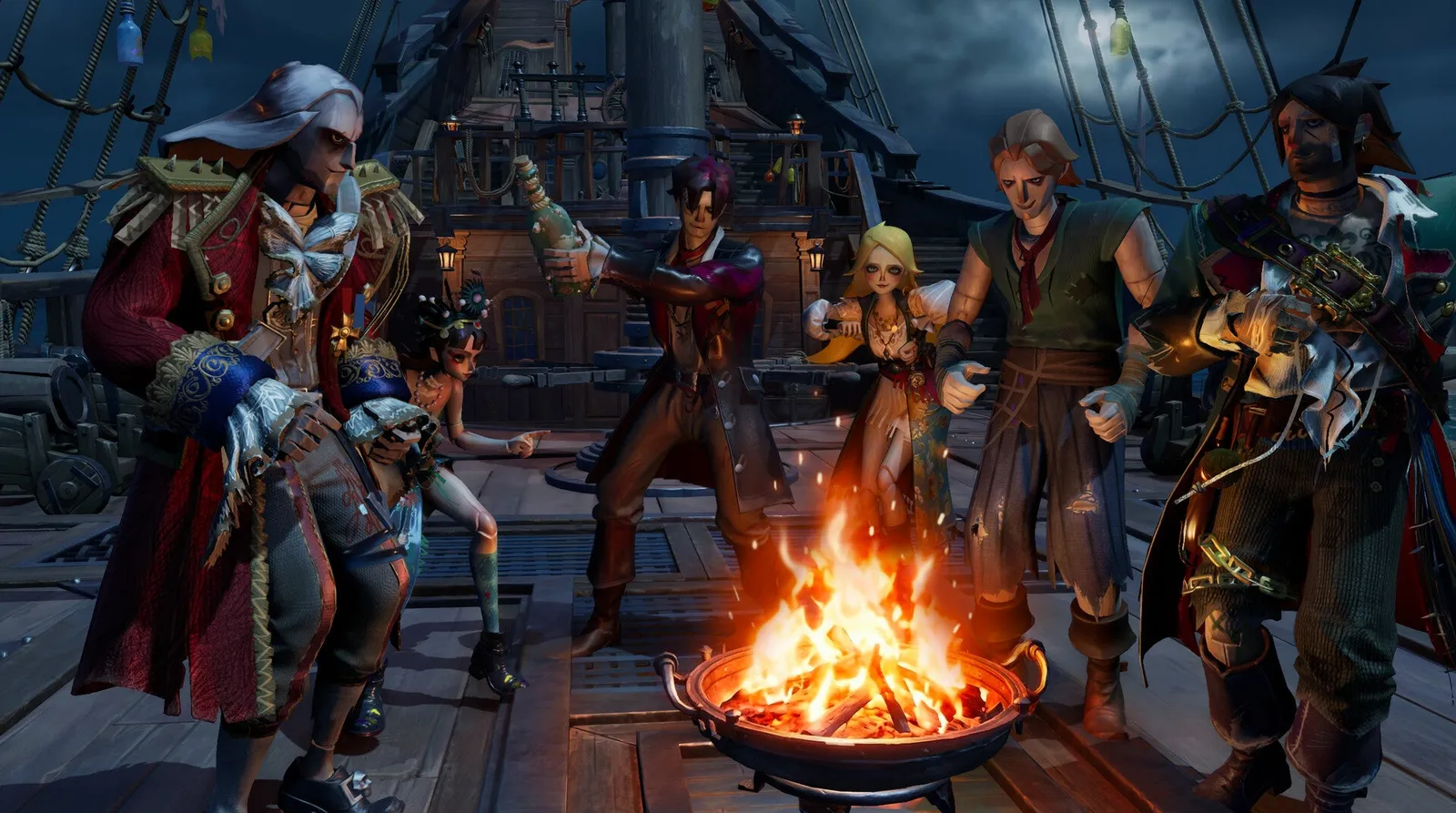
Sea of Remnants turns ship combat into Kraken chaos, then wipes you completely
A Summer Game Fest 2026 demo shows gorgeous puppet-punk oceans, turn-based crew fights, and a time-slowing boss ambush.