
StubHub UK gets fined almost £900,000 for “drip pricing” hidden ticket fees
The UK watchdog orders £590,000+ in refunds to over 50,000 fans as Viagogo stays under investigation.
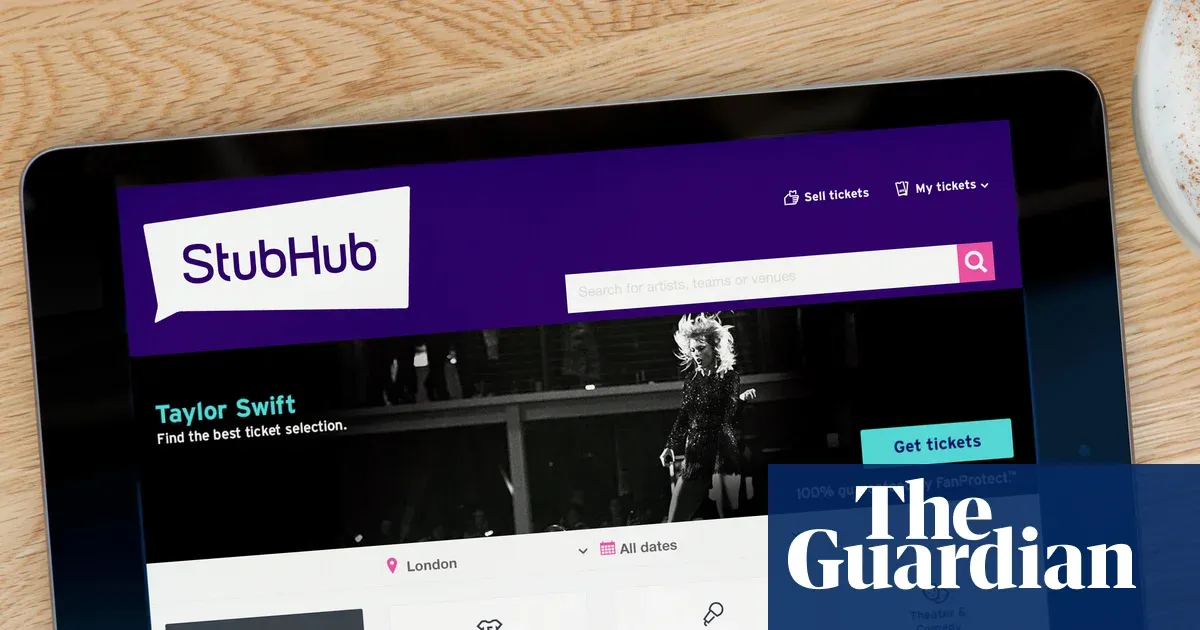
StubHub UK has been fined almost £900,000 and ordered to refund more than 50,000 customers after regulators found it did not show the full ticket price at booking, calling it “drip pricing”. The competition watchdog said StubHub must issue refunds exceeding £590,000, while rival reseller Viagogo UK remains under investigation.
StubHub UK has been hit with an almost £900,000 fine and ordered to compensate more than 50,000 fans after the UK competition watchdog ruled the company failed to show the full ticket price at the time of booking. The practice was labeled “drip pricing”, which is basically the industry move of presenting an apparently final price, then adding fees later so customers only feel the real total once they are already deep in checkout.
The regulator’s punchline is not just the fine. It said StubHub must issue refunds exceeding £590,000 to customers, tying the enforcement directly to money fans paid under the incomplete price presentation at booking. That combination matters because it changes the math for ticket resellers: you are not only paying for a regulatory violation, you are also paying the customer back, in volume.
The timing also lands in a bigger enforcement pattern. The watchdog launched an investigation into the sales practices of eight companies last year, including the rival reseller Viagogo UK. In other words, this was not a one-company misunderstanding. The regulator’s review was broad enough to include multiple major players, which suggests the “drip pricing” issue was seen as systemic across the reseller market, not confined to a single brand.
For executives, this is where it gets strategically annoying. Ticket reselling sits in a tension between two incentives. Resellers want to market prices that look competitive and get customers into booking flows. Consumers want transparency, especially before they commit. Regulators have been increasingly focused on whether the price shown during a purchase process is clear enough that shoppers can compare offers without being surprised later by additional fees. When enforcement lands, the cost is not just reputational. It shows up as fines and refunds, and it can force companies to rebuild pricing displays, checkout flows, and customer messaging.
This case also highlights why these disputes can become expensive fast. The harm is measured per affected customer. Here, the watchdog ordered payments to more than 50,000 fans and set refund obligations exceeding £590,000. Even if the underlying fee structure is small per transaction, multiplied across a large user base it becomes a direct balance sheet hit, and it also creates operational burdens: refund processing, customer support workload, and the need to prove compliance going forward.
There is a competitive ripple effect too. While StubHub gets fined and refund-ordered, Viagogo remains under investigation. That leaves the market in an uncertainty loop. Executives at comparable platforms have to assume that if one player’s pricing workflow is deemed illegal, other similar workflows are at risk unless they already have compliance locked in. Boards typically do not like that kind of open-ended regulatory exposure, especially when enforcement actions can arrive after investigations have stretched over months.
For CFOs and compliance leaders, the immediate lesson is straightforward: pricing transparency is a regulated system, not a user interface detail. “Drip pricing” is an operational definition regulators use, which means companies must treat how prices are displayed at each step of booking as part of legal compliance, not just conversion optimization. The fact that the watchdog tied refunds to the customers’ experience “at the time of booking” is a clear signal. If a fee is only revealed later in checkout, the business should expect scrutiny over whether the late disclosure undermines the meaning of the displayed price.
The second-order implication for boards is governance. When regulators investigate multiple companies at once, it often reflects market-wide patterns that can slip through internal controls. Companies need to be able to demonstrate not only that they can show the final price, but that they did so consistently across channels, campaigns, devices, and booking paths at the relevant time. Because enforcement here also included a mandate to refund specific customer sets, documentation and audit trails become existential during disputes.
Bottom line: this is not just a warning shot for online ticket resellers. StubHub UK is now paying almost £900,000 and refunding over 50,000 customers under a watchdog standard aimed at stopping hidden-fee checkouts. With Viagogo UK still under investigation, executives who lead pricing and checkout teams should treat this as a live compliance sprint, because the next enforcement action will likely be measured in the same way: by whether fans saw the full price when booking started, and how many customers the business has to make whole.
This story's Key Insights and Take-aways are locked.
Create a free account to unlock Executive Actions for one credit.
Register to UnlockAlways free for Executives Club members. Join the Club
More in Business

SpaceX sells $25B in debt under two weeks after IPO, despite $90B in orders
The satellite and rocket company’s quick $25 billion borrowing move signals how it plans to finance scale after going public.

Accenture’s $4.18bn play fails as AI fears spark a 20% worst-ever stock plunge
On Thursday, Accenture hit its biggest one-day drop on record after forecasting worries that AI could hollow out consulting.

SpaceX stock jumps 3% after it overtakes Amazon’s market cap
CNBC says SpaceX’s shares surge following its IPO Friday, forcing investors to reprice what “space” and “AI” are worth.