

Sugar is beating the stock market. A supply crunch just sent prices higher
The sweetener's surge last week reflects a sharp deterioration in global supply, and it's outpacing equities this year. Here's what decision-makers need to watch.
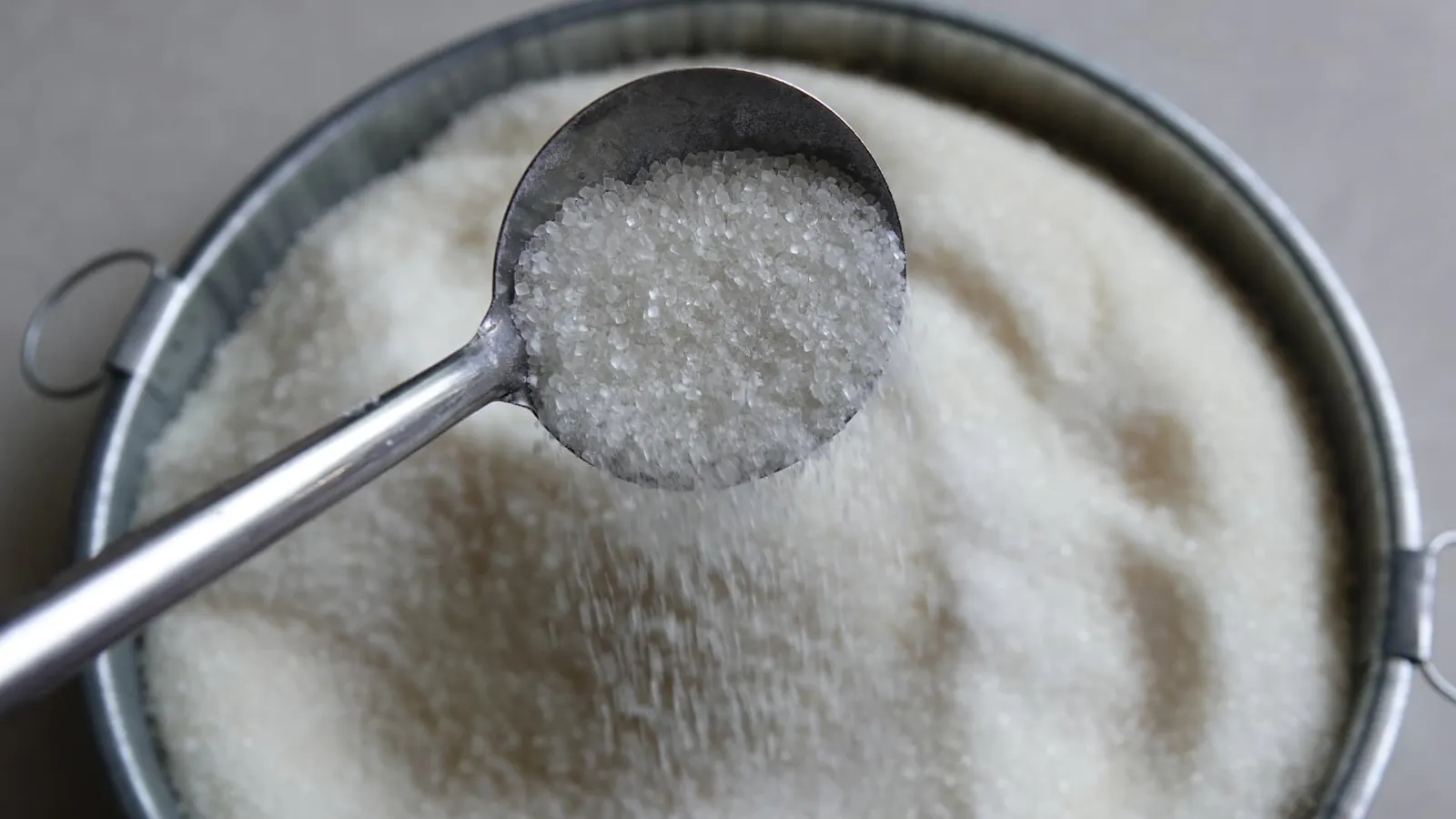
Sugar prices surged last week as the global supply outlook deteriorated sharply, extending a rally that has outperformed the stock market this year. For food companies, investors, and boards, the move signals rising input costs and a commodity market that is pricing in tighter supplies.
Sugar is doing something unusual this year: it's beating the stock market. Last week, prices for the sweetener surged, reflecting a sharp deterioration in the global supply outlook. For a commodity that rarely makes headlines, the move is a reminder that agricultural markets can deliver returns that rival, or even exceed, equities. The rally is not just a blip. Sugar has outperformed the broader stock market on a year-to-date basis, a trend that accelerated with last week's price spike. The trigger is a worsening supply picture. When supply outlooks deteriorate, traders bid up prices to ration demand and incentivize future production. That dynamic is now playing out in sugar.
To understand why supply is tightening, it helps to look at how sugar is produced. The commodity is grown in tropical and subtropical regions, with output concentrated in a handful of countries. Weather is the biggest swing factor: too much rain, too little rain, or an unseasonable frost can quickly alter production estimates. Government policies also matter. Export restrictions, ethanol mandates, and subsidies can shift how much sugar reaches the global market. Historically, supply shocks in sugar have been driven by these forces, and the current deterioration suggests traders see a similar pattern forming. The sharpness of last week's move indicates that the market was caught off guard, or that the underlying data is worse than previously expected.
The implications extend beyond the futures pit. For food and beverage companies, sugar is a key input. Higher prices mean higher costs for everything from soft drinks to confectionery to baked goods. In an environment where consumers are already sensitive to price increases, companies may face a squeeze on margins or a difficult choice about passing costs along. For investors, sugar's outperformance is a signal that agricultural commodities can be a diversifier, or a source of volatility, depending on how portfolios are positioned. The rally also highlights the interconnectedness of global markets: a supply problem in one region can quickly become a cost problem for companies thousands of miles away.
The question on everyone's mind is where sugar goes from here. The answer depends on how supply responds. If production shortfalls are temporary and output recovers, prices could retreat. If the deterioration is structural, driven by long-term shifts in land use, policy, or climate patterns, the rally could have further to run. The key variables to watch are weather forecasts in major growing regions, government export decisions, and the price of competing crops like ethanol, which can pull cane away from sugar production. For now, the market is pricing in a tighter balance, and that alone can be self-fulfilling as buyers rush to secure supply and sellers hold back in anticipation of even higher prices.
For executives, the takeaway is about risk management. Companies that rely on sugar as an input should be reviewing their hedging strategies and supply contracts. Those that don't may find themselves exposed to a commodity that is moving faster than the broader market. Boards should ask whether their organizations have visibility into commodity price risks and whether they have the tools to respond. The sugar rally is a case study in how a seemingly niche market can have broad economic consequences. It also serves as a reminder that commodities often move in ways that equity markets do not, and that diversification across asset classes can help cushion the blow.
There is also a second-order effect for countries and policymakers. Sugar is a major export for several developing economies, and higher prices can boost revenues for producers while straining budgets for importers. For central banks, food price inflation is a persistent headache, and a sustained sugar rally could add to inflationary pressures in some regions. For global trade, it could prompt renewed calls for export controls or strategic reserves, as seen in other commodities during times of scarcity. Such measures, while intended to protect domestic consumers, often exacerbate global price volatility and create new uncertainties for international buyers.
Ultimately, sugar's outperformance is a story about supply and demand, and about how quickly market sentiment can shift. The sharp deterioration in the supply outlook last week was the catalyst, but the underlying trend has been building all year. For decision-makers, the lesson is to pay attention to the quiet corners of the commodity market. Sometimes the sweetest returns, and the biggest risks, come from the places no one is watching. Whether sugar's rally continues or fades, it has already delivered a clear message: in a world of tight supplies and shifting policies, even the most familiar commodities can surprise.
This story's Key Insights and Take-aways are locked.
Create a free account to unlock Executive Actions for one credit.
Register to UnlockAlways free for Executives Club members. Join the Club
More in Business
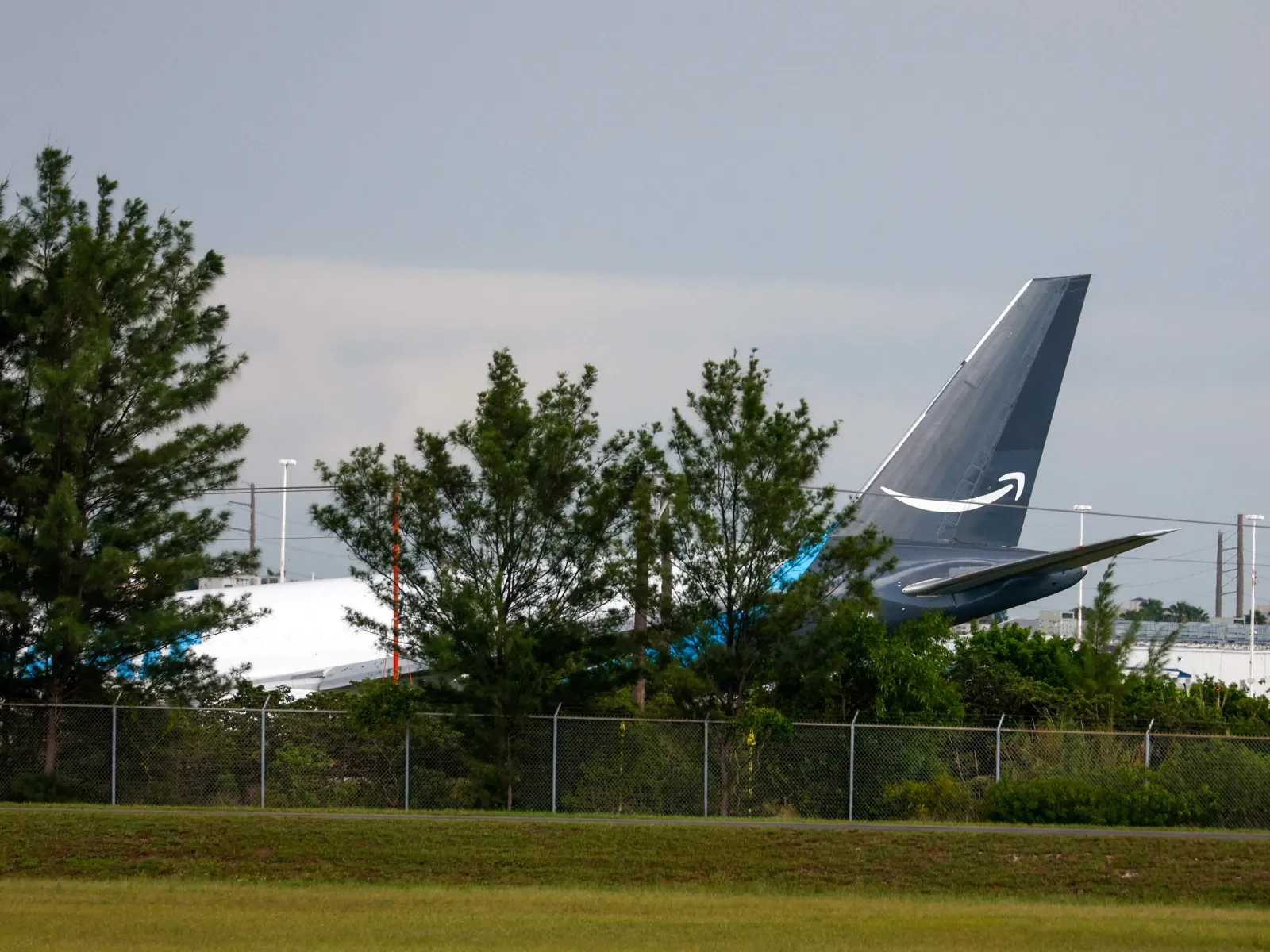
Amazon Prime Air 767 overshoots Miami runway, killing at least 5
The Boeing 767 freighter from San Juan struck vehicles and erupted in flames, prompting a ground stop and a fresh NTSB investigation into Amazon's air cargo network.

Death sentence for TV presenter Sarah Khalifa: Egypt's drug case hits media
The sentencing of Sarah Khalifa and 11 others underscores the severity of Egypt's anti-drug laws and the exposure of public figures to capital punishment.

Tim Cook steps down as Apple CEO, stays on as chair with $45M equity
The 'Trump whisperer' keeps his White House and Beijing access as Apple navigates tariffs and a $4.6 trillion market cap.