

Sumitomo Chemical to mass-produce solid-state EV battery material starting with production scale-up
The Japanese chemical company is preparing to scale key solid-state battery materials, sharpening timelines and cost pressure across the EV supply chain.
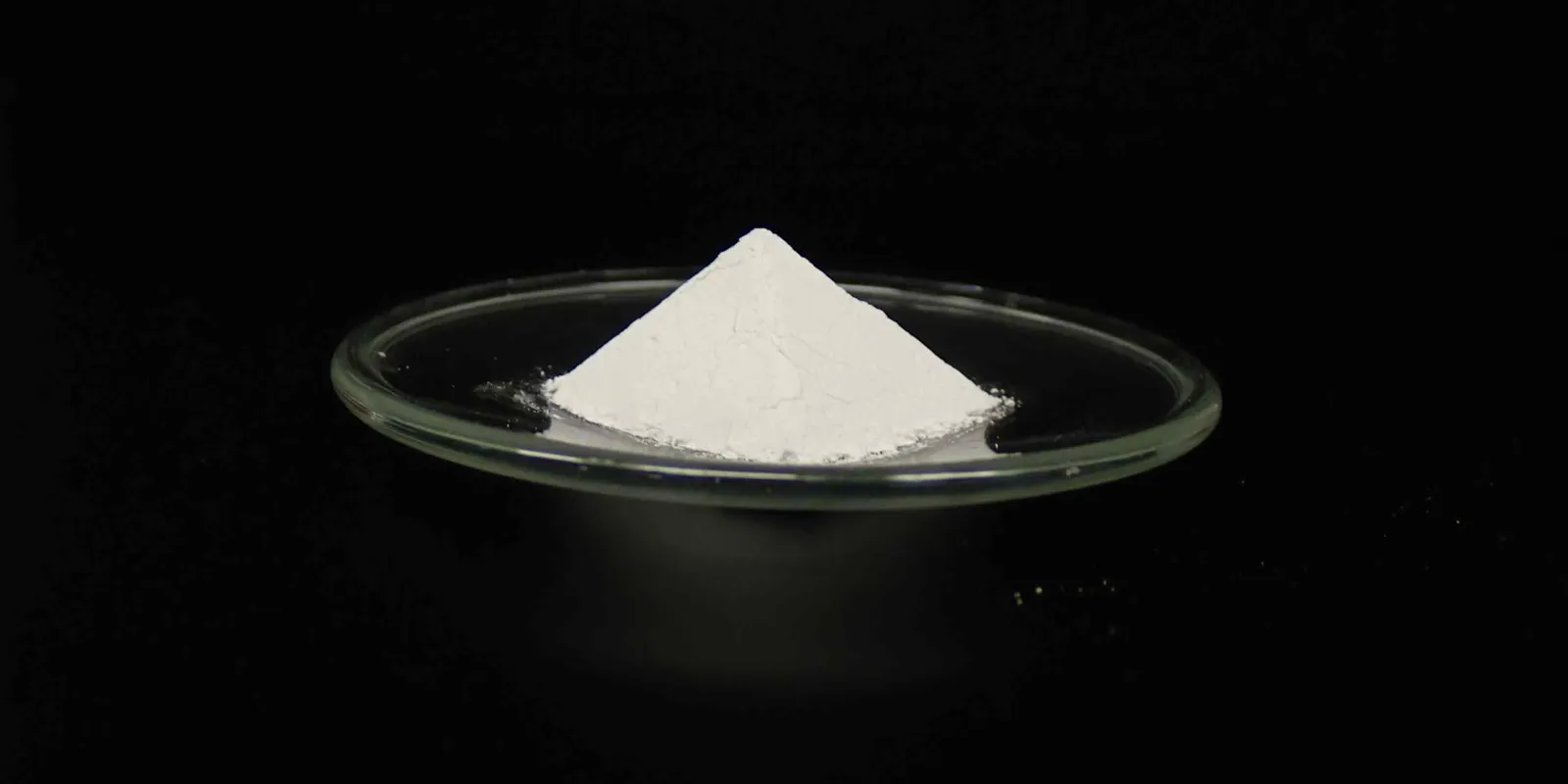
Sumitomo Chemical plans to mass-produce solid-state battery materials for EVs as it moves from development to larger-scale manufacturing. For decision-makers, the move increases competitive urgency on both supply and cost as solid-state car batteries edge toward commercialization.
Sumitomo Chemical is taking a step that matters more than it sounds: it plans to mass-produce solid-state battery material for EVs, moving the conversation from lab progress to industrial scale. That shift, from “can we make it?” to “can we make enough of it,” is where electrification timelines get either accelerated or quietly stalled.
In practical terms, mass production is the bridge between pilot projects and real vehicle deployment. Solid-state batteries are widely discussed as a potential upgrade path for EVs, but the bottleneck is rarely just the cell chemistry. It is the surrounding materials supply chain, manufacturing know-how, and the ability to produce consistently at volume without blowing up cost. Sumitomo Chemical’s plan signals that it wants a seat at that bridge, not just in upstream experimentation.
To understand why this is a board-level story, think about what happens when a chemical supplier moves earlier than the rest of the ecosystem. The company is effectively telling automakers and battery makers: “We are preparing for the volume question you will ask soon.” That changes how partners plan capex, how they draft sourcing strategies, and how they evaluate risk. Even if solid-state EV adoption remains staggered, the industry still has to build supply chains. Early manufacturing scale attempts can reduce future dependency on a smaller number of suppliers, and that tends to improve bargaining positions later.
There is also a regulatory and policy backdrop that makes “scale” a sensitive word. Governments and regulators across major markets have kept pressure on EV adoption and emissions reductions, which tends to pull forward investment decisions. When the policy tailwind meets a manufacturing reality, suppliers that can credibly scale become more valuable. Conversely, suppliers that stay stuck in R&D can get left behind if battery makers need qualified sources for mass-market schedules. In that sense, Sumitomo Chemical’s move is not just an operational milestone. It is a strategic signaling event.
Solid-state batteries are often framed as a technology leap, but to buyers and capital allocators the more important lens is system integration and economics. The battery supply chain is a giant optimization problem: material availability, production yield, processing steps, and long-term stability all have to line up. The second-order effect of Sumitomo Chemical scaling solid-state battery material is that it intensifies scrutiny on the full stack. Battery developers will want to match material readiness with cell design and manufacturing processes. Automakers, meanwhile, will watch whether the supply chain can deliver enough product without price shocks.
That also means competitors and customers will likely respond with their own adjustments. If one supplier starts scaling, other material companies face a choice: invest to keep pace, secure alternative pathways, or accept a temporary disadvantage. Battery makers may also revisit vendor diversification plans, because even small improvements in supply reliability can affect production planning. Board members at battery and auto companies will care because supply risk translates into schedule risk, and schedule risk translates into cash flow risk.
There is another boardroom angle here: partner ecosystems. In capital-intensive industries, “who is ready” can matter as much as “who is ahead.” A supplier that can mass-produce can attract more pilots that graduate into longer-term contracts. That can reshape bargaining dynamics, especially when customer qualification processes are slow. If Sumitomo Chemical is moving to mass production for EV solid-state battery material, it is positioning itself to be the kind of partner battery makers want when they start locking in sourcing.
For executives at peers, the takeaway is straightforward even if the technology details are complex. Solid-state is heading toward industrialization, and industrialization is a manufacturing story as much as a chemistry story. Sumitomo Chemical’s plan to mass-produce solid-state battery material for EVs is a signal that scale is being prioritized. That should sharpen strategic thinking across the supply chain: timelines, qualification, and cost controls are going to matter earlier than many teams may have planned.
This story's Key Insights and Take-aways are locked.
Create a free account to unlock Executive Actions for one credit.
Register to UnlockAlways free for Executives Club members. Join the Club
More in Business

Anthropic’s Levant Alpöge cracks the Jacobian conjecture after 87 years
A Harvard valedictorian used Claude to hit a 1939 breakthrough, but the missing “why” is the real problem.

Uber buys Delivery Hero for nearly $15B, vaulting to top food delivery outside China
The deal doubles Uber's dual-services footprint and pushes a ride-and-eats bundling play into 50 more markets.

Epic and Google drop settlement bid, forcing rival Android app stores by July 22
Google told the court it is ready to carry third-party app stores starting Wednesday, July 22.