

Supreme Court says Helms-Burton strips CIMEX immunity, letting ExxonMobil sue in US
A 6-3 ruling unlocks US court claims over Cuba seizures, shifting leverage for investors and policymakers alike.
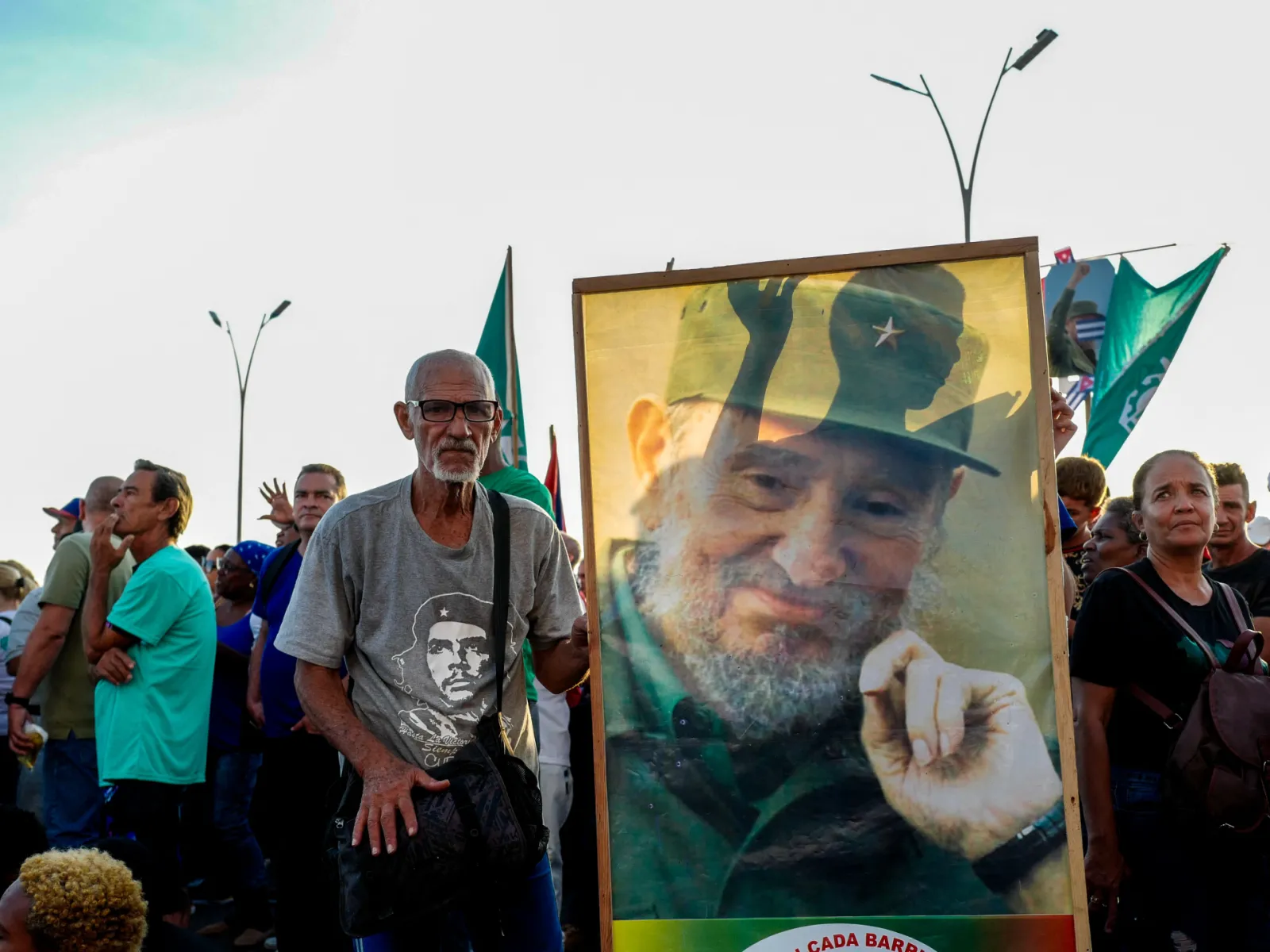
The US Supreme Court ruled 6-3 on Tuesday that ExxonMobil can sue Cuban state-owned firm Corporacion CIMEX in US courts over Castro-era property seizures. The decision turns the 1996 Helms-Burton law into a more powerful tool for US companies seeking compensation from Cuba.
ExxonMobil just got the US Supreme Court to open the courthouse door for its Cuba property case. In a 6-3 decision on Tuesday, the court reversed a lower-court ruling and held that Cuban state-owned companies cannot rely on foreign sovereign immunity when they are sued under the 1996 law known as Helms-Burton.
The core of the ruling is straightforward but high-stakes: the Supreme Court said foreign sovereign immunity, a defense that usually blocks US lawsuits against foreign governments and their agents, is not available in cases like ExxonMobil’s against Corporacion CIMEX. Conservative Justice Brett Kavanaugh, who authored the ruling, wrote that the Helms-Burton Act eliminates “the sovereign immunity of Cuban agencies and instrumentalities,” and that Helms-Burton authorizes private suits that would otherwise be “nonstarters” under the Foreign Sovereign Immunities Act of 1976. For decision-makers, that means this is no longer just a legal question about procedure. It is a question about whether compensation claims can move forward at all.
Why now? Helms-Burton Title III is the machinery behind private claims. It allows Americans to sue almost any company that engages in commercial activity or benefits from property confiscated by Cuba’s government. The law was passed in response to the 1996 downing of civilian planes flown by Miami-based exiles. But enforcement has been politically sensitive: before the first Trump administration, every president suspended the provision, in part because of objections from US allies doing business in Cuba and because of concerns about the effect on future negotiated settlements between the US and Cuba.
Trump lifted the suspension in 2019, and ExxonMobil filed its lawsuit the same day against CIMEX. According to the source, ExxonMobil is seeking compensation for confiscation of assets owned by subsidiaries of Standard Oil, ExxonMobil’s predecessor. That includes more than 100 service stations and an oil refinery. On the financial side, the US Foreign Claims Settlement Commission said in 1969 that the value of ExxonMobil’s property in Cuba is $71.6m, plus 6 percent annual interest beginning in 1960. The commission estimated that this would be worth about $3bn today, plus treble damages. Whether a company ultimately collects is another story. But unlocking the ability to sue in US courts changes the negotiating posture.
The court’s decision also did not arrive in isolation. The Supreme Court said the Helms-Burton-related outcome gives US owners of Cuban property another lever, and it is the second win in as many months for US claims tied to confiscated Cuban property. Last month, the court ruled in a separate case involving confiscated property in Cuba. In that matter, it revived claims by the US company that operated docks in Havana against four cruise lines that brought tourists to Cuba during the brief thaw in relations during the administration of former US President Barack Obama. That case also turned on the same part of Helms-Burton allowing lawsuits over seized property. In other words, the legal “open door” is widening, and executives should assume more cases can line up behind the precedent.
There is also a dissent worth noting for executives who watch legal risk like it is a balance-sheet item, not just a headline. Justice Elena Kagan wrote a dissent joined by the court’s two other liberal members. Kagan argued that plaintiffs should be required to show their suit was exempt from the Foreign Sovereign Immunities Act, and she said nothing in the text or “architecture” of Helms-Burton suggests Congress abrogated sovereign immunity of these defendants, much less with the “unmistakable clarity” required for such a change. That framing matters because it signals where the legal debate was and why opponents believe the decision may influence future litigation strategy.
The broader context is hard to ignore: the outcome could become additional leverage for the administration of US President Donald Trump to pressure Cuba, which the source notes is already being squeezed by a US oil embargo. When courts expand the set of legally actionable claims, politics tends to follow. Companies then have to decide whether to treat overseas assets as a dead letter, a negotiating chip, or a litigation campaign.
For boards and C-suite teams, this decision is a reminder that sanctions, embargo policy, and litigation frameworks are interlocked. Helms-Burton Title III turns “commercial activity” and “benefits from property confiscated” into potential targets, and the Supreme Court just made it harder for Cuban state-owned entities to block cases at the threshold. If you have exposure to jurisdictions where state action has historically driven asset seizures, the questions are no longer abstract. They are whether a statute, a court’s reading of immunity rules, and the timing of executive policy can transform old claims into active ones that demand strategy, funding, and legal oversight.
This story's Key Insights and Take-aways are locked.
Create a free account to unlock Executive Actions for one credit.
Register to UnlockAlways free for Executives Club members. Join the Club
More in Business

Anthropic’s Levant Alpöge cracks the Jacobian conjecture after 87 years
A Harvard valedictorian used Claude to hit a 1939 breakthrough, but the missing “why” is the real problem.

Uber buys Delivery Hero for nearly $15B, vaulting to top food delivery outside China
The deal doubles Uber's dual-services footprint and pushes a ride-and-eats bundling play into 50 more markets.

Epic and Google drop settlement bid, forcing rival Android app stores by July 22
Google told the court it is ready to carry third-party app stores starting Wednesday, July 22.