
Taika Waititi’s Klara and the Sun trailer lands with Hunt for the Wilderpeople vibes
Sony’s first look at the Ishiguro adaptation signals a tender, dark tone, plus a stacked cast built for big scrutiny.
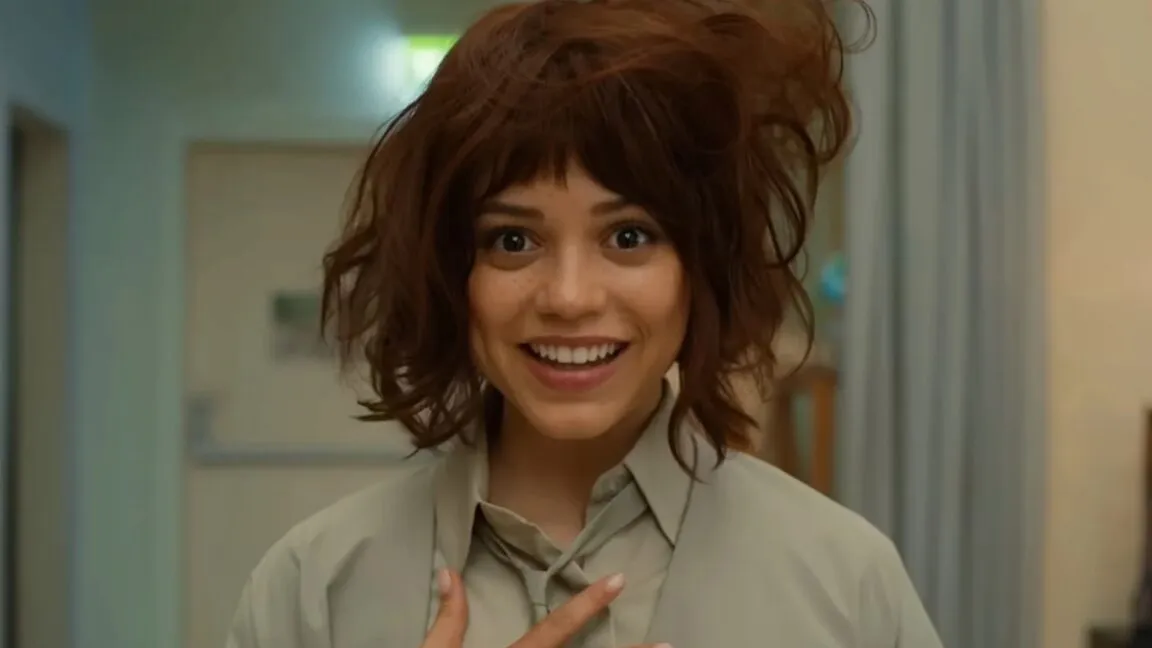
Sony Pictures released the first trailer for Taika Waititi’s Klara and the Sun, an adaptation of Kazuo Ishiguro’s novel. For decision-makers, the tonal direction and premium casting matter because it shapes audience expectations and risk around a high-profile property.
Sony Pictures just released the first trailer for Taika Waititi’s Klara and the Sun, and it immediately plays like a tonal cousin to Waititi’s 2016 hit, Hunt for the Wilderpeople. That is a meaningful signal, not just a vibe check. When a director known for blending light touch with heavier themes shifts into a prestige adaptation, the audience is unconsciously trying to decide what kind of emotional deal they are signing up for.
In the trailer’s setup, Klara and the Sun introduces Klara (Jenna Ortega), an Artificial Friend who wants nothing more than to find the perfect home. When Klara meets Josie (Mia Tharia), both characters “senses a kindred spirit,” and the relationship becomes the engine for the story. Josie has a fraught relationship with her mother (Amy Adams) and they’ve suffered great loss, while Klara’s “innocent wonder and unwavering loyalty” begin to heal the family and bring light to Josie’s complicated world. The immediate takeaway for anyone tracking entertainment risk is simple: Sony is not positioning this as grim and punishing. It is positioning it as compassionate, even when the source material is asking bigger questions.
This matters because Klara and the Sun is based on a bestselling novel from Kazuo Ishiguro, a Nobel Prize winner, and the screenplay is written and directed by Academy Award winner Taika Waititi. That combination is basically a credibility triple-threat. It raises baseline expectations across multiple stakeholder groups: audiences who buy Ishiguro for philosophical weight, Waititi fans who expect his distinct “light touch” style, and the industry’s own appetite for awards-friendly work. In Hollywood terms, that is a double edge. Prestige properties can draw attention fast, but they also get judged against the story’s implied promise.
The cast list reinforces that Sony is aiming at both emotional gravity and star power. Natasha Lyonne appears as an artificial friend store manager. Rachel House plays the housekeeper, Melania. Aran Murphy, identified as the son of Cillian Murphy, is cast as Josie’s best friend, Rick. Sophia Bryant-Taukiri plays Josie’s older sister, Sal. Steve Buscemi and Harry Greenwood also appear, but in as-yet-undisclosed roles. For executives and boards, the practical question is how casting breadth affects audience reach and how it changes marketing. Big names make it easier to sell, but they also broaden the number of “mental benchmarks” viewers bring to opening weekend.
If you zoom out, the strategy here aligns with how modern studios manage risk on literary prestige adaptations. Adaptations face a familiar problem: books carry internal expectations you cannot fully control. Trailers become the steering wheel. By showcasing a relationship-driven arc between Klara and Josie, the trailer frames the Artificial Friend concept as a pathway to human connection rather than just a speculative gimmick. That framing can reduce drop-off from viewers who might otherwise worry the film will be cold, abstract, or overly academic.
There is also a second-order implication that is easy to miss: Artificial Friend stories sit right at the intersection of technology anxiety and human empathy. Even if the trailer does not explicitly talk regulation, audiences now interpret “AI-like” characters through a contemporary lens shaped by policy debates, public scrutiny, and broader conversations about automated decision-making. That means tonal choices are not cosmetic. A tender, relationship-first presentation can help the film land as character work. A darker or more purely dystopian framing can push it into a different category of expectation, where skeptics look for technical realism or ethical clarity.
From a business perspective, the “Waititi voice” is the asset Sony is underwriting. Waititi’s track record includes handling tragedy with a light touch in Jojo Rabbit and bringing gentle sadness to offbeat comedy in Our Flag Means Death. Translating that into Klara and the Sun is a bet that audiences will accept melancholy without walking away. The trailer positioning, especially the “Hunt for the Wilderpeople vibes” feel, suggests Sony is betting the movie’s emotional rhythm will keep viewers engaged even as the plot deals with fraught relationships and loss.
For peers evaluating similar projects, the strategic stakes are clear. First, tonal clarity can reduce marketing noise. When viewers know what emotional experience they are buying, word-of-mouth gets easier. Second, prestige properties are evaluated as much on “fit” as they are on quality: does the director’s signature style match the source’s gravity? Sony is effectively telling you the answer is yes. And in an awards-adjacent landscape, that alignment can influence everything from audience turnout to critical framing.
Klara and the Sun is arriving with three powerful signals: Nobel-level source material, an Academy Award winning writer-director, and a trailer that forecasts tenderness rather than coldness. Now the industry question becomes whether that promise holds when the story expands beyond the trailer’s emotional core.
This story's Key Insights and Take-aways are locked.
Create a free account to unlock Executive Actions for one credit.
Register to UnlockAlways free for Executives Club members. Join the Club
More in Entertainment

Disney Lorcana’s Attack of the Vine adds Up’s Carl, Ellie, Russell, and Paradise Falls
Ravensburger’s next set finally brings Pixar’s Up into Lorcana, starting with Carl, Ellie, Russell, and the Falls.
A24 hands Google DeepMind a seat, after years of guarding its creative workflow
The films stay separate. The deal shifts who gets to see A24's process, and what that enables downstream.
Elizabeth Banks is Ms. Frizzle as Legendary develops Magic School Bus live-action
Rob Letterman writes the treatment and Elizabeth Banks stars, as Legendary acquired rights from Universal for a big-screen debut.