

Target investors drop support for Brian Cornell to an all-time low
After years of missteps, the board’s patience with Target’s chair hits its lowest-ever level, sharpening the pressure for change.
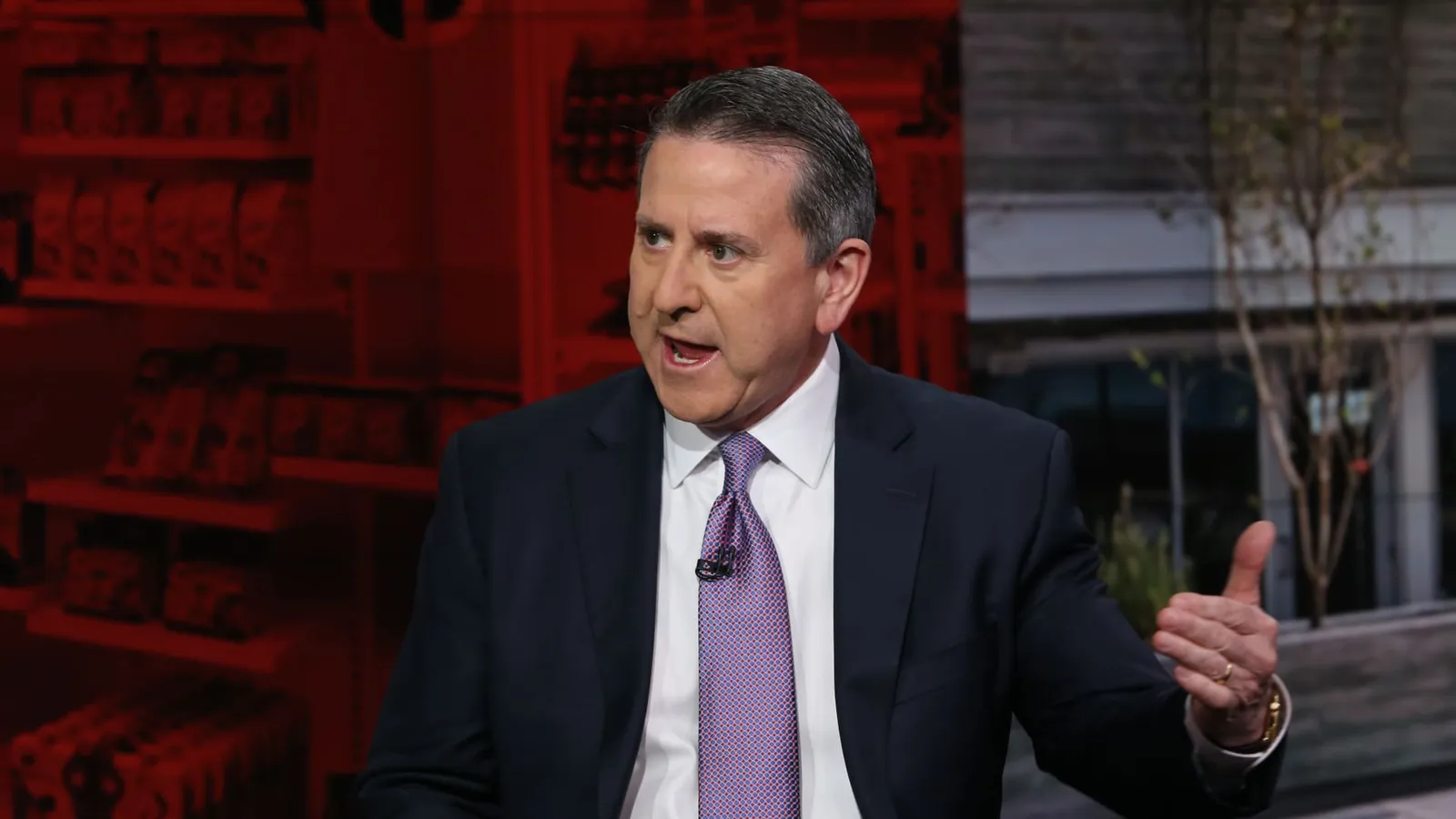
CNBC reports that investor support for Target chair Brian Cornell has fallen to its lowest level ever amid recent struggles and underperformance. For decision-makers, the signal is clear: when the market stops rewarding the incumbent, boards face a faster reckoning.
Target chair Brian Cornell built the retailer into a $100 billion-plus giant. CNBC’s report now centers on a more uncomfortable fact for corporate insiders: investor support for Cornell has fallen to the lowest level ever, fueled by recent struggles and underperformance.
In plain terms, this is a governance signal. When investors collectively shift from “give them time” to “something has to change,” it usually means the company’s operating results and strategic story no longer match the expectations that helped it get to that $100 billion-plus scale. Cornell’s résumé is not the issue. The issue is whether the outcomes since then have kept pace.
To understand why this matters, you have to zoom out to how public markets pressure big retailers. Target competes in a sector where margins can get squeezed fast, consumer demand can turn quickly, and execution gaps become visible in earnings, inventory, and guidance. For boards, the challenge is that retail turnaround timelines are often longer than investors want. But the market does not wait for long narratives. If performance lags, investors start demanding governance levers: leadership refreshes, strategic changes, and sharper accountability.
The phrase “reward for failure” in the headline (CNBC’s framing) captures the emotional reality behind many investor campaigns. Investors often worry that directors and executives can keep their positions even when results disappoint. That belief can become self-reinforcing. The worse the underperformance, the more shareholders interpret votes and engagement as a chance to rebalance risk. The lower investor support becomes, the harder it is for a chair or CEO to claim that “the board is aligned” and “the plan is working.” Even if the company is not facing an immediate forced leadership change, a vote result can change how the board recruits, how it benchmarks performance, and how it handles future strategy decisions.
There is also a second-order effect that tends to surprise non-governance types: investor support can influence partnership behavior. Supplier relationships, landlords, and even internal staffing decisions can be shaped by perceived stability. Retail is a relationship-heavy business. If market confidence dips far enough, it can make negotiations harder, increase the cost of capital indirectly, or simply shift how counterparties evaluate the company’s ability to execute.
And then there’s the board dynamics. A chair is not just a symbolic role. As the person responsible for leading the board, Cornell is the focal point for how investors read oversight. CNBC’s report ties the drop in investor support directly to “recent struggles and underperformance,” which matters because it implies investors are not merely reacting to noise. They are reacting to a pattern, and they are expressing that judgment through the levers they control.
Regulatory framing also lurks in the background, even when the story is not about regulators directly. Public companies are constrained by disclosure requirements, governance rules, and investor rights. When a chair’s support collapses to an all-time low, shareholders are often thinking beyond next quarter. They are thinking about whether current governance practices are delivering the outcomes shareholders expect. That can lead to more scrutiny of strategy, compensation structures, and how performance is measured.
For peers in similar roles, the strategic stake is blunt: investor patience is not infinite, and scale can’t protect a leadership narrative forever. Cornell’s achievement in building Target into a $100 billion-plus retailer is a key part of his story. But CNBC’s report shows that past success does not immunize a board against a current credibility problem. If support keeps sliding, boards tend to respond by tightening oversight, revisiting strategic priorities, and, in some cases, accelerating leadership decisions. The practical takeaway for executives and directors is that market trust can unwind quickly, and when it does, it can force governance choices that were previously postponed.
In short, this is not just a headline about one chair. It is a reminder that in public markets, investor support is a real-world scoreboard. When that scoreboard hits a historical low, it usually signals that the board and management must either change the results or change the story fast.
This story's Key Insights and Take-aways are locked.
Create a free account to unlock Executive Actions for one credit.
Register to UnlockAlways free for Executives Club members. Join the Club
More in Business

Anthropic’s Levant Alpöge cracks the Jacobian conjecture after 87 years
A Harvard valedictorian used Claude to hit a 1939 breakthrough, but the missing “why” is the real problem.

Uber buys Delivery Hero for nearly $15B, vaulting to top food delivery outside China
The deal doubles Uber's dual-services footprint and pushes a ride-and-eats bundling play into 50 more markets.

Epic and Google drop settlement bid, forcing rival Android app stores by July 22
Google told the court it is ready to carry third-party app stores starting Wednesday, July 22.