
Taylor Swift hits $2 billion as touring rewrites music's money map
Swift's fortune now comes mostly from songs, shows, and ownership, a blueprint that matters to any artist, operator, or investor watching entertainment economics.
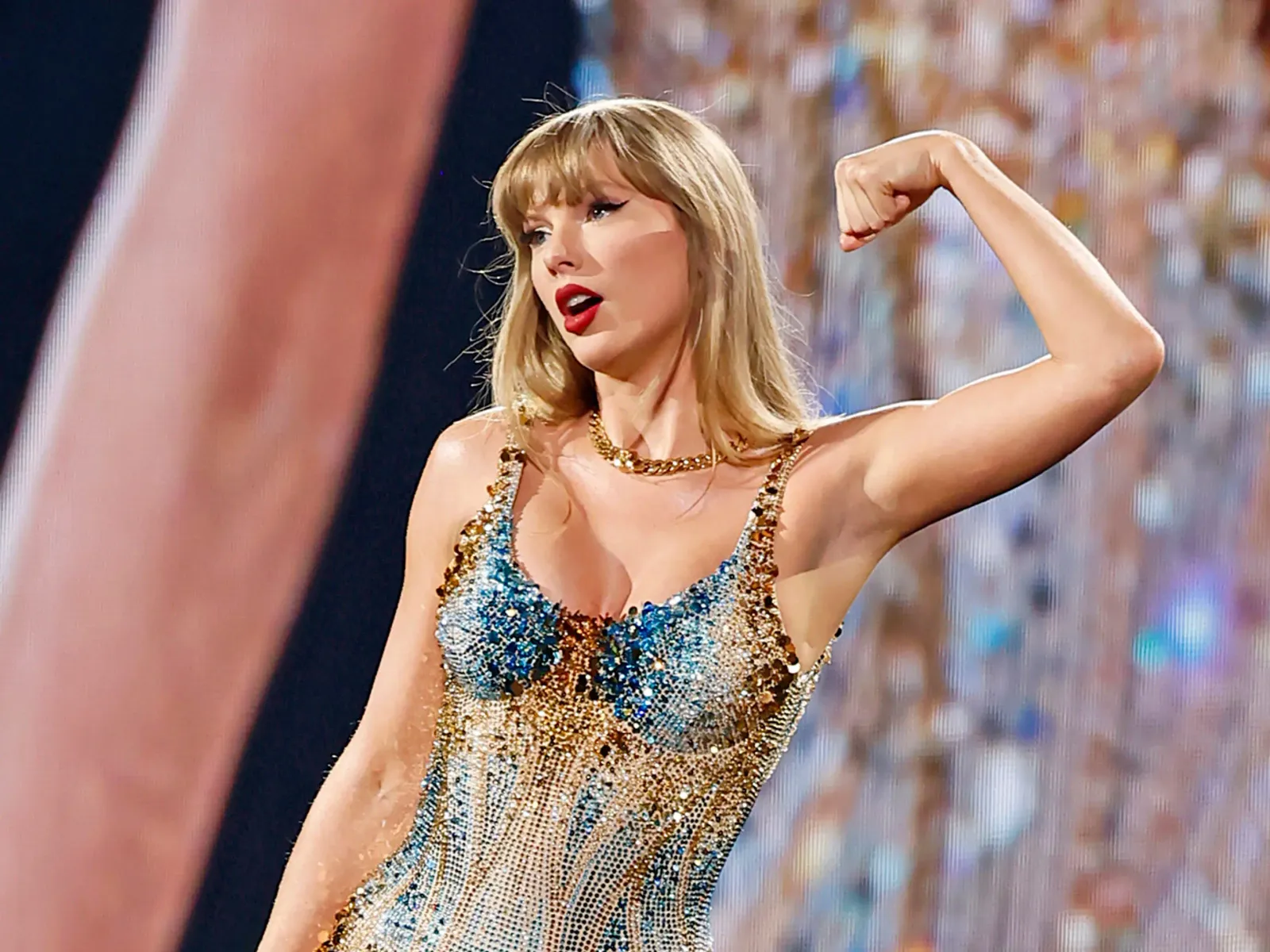
Taylor Swift's net worth has reached $2 billion, according to Forbes, making her the richest female musician in history. For executives, the bigger signal is that she got there largely through songwriting, performances, and direct control of her output, not the usual celebrity side quests.
Taylor Swift's net worth has reached $2 billion, according to Forbes, and that number is not just a celebrity flex. It makes her the richest female musician in history, and it also underlines how unusually clean her money machine is: songwriting, streaming, music sales, concert tickets, merchandise, and a growing stack of self-controlled media assets. For anyone running a brand, catalog, label, venue, or fandom-driven business, Swift is now the clearest example of how scale, ownership, and audience loyalty can compound into a fortune big enough to sit in a league of its own.
The striking part is how she got there. Forbes says Swift is the first musician to reach 10-figure status solely from songwriting and performances rather than brand deals, makeup lines, or business ventures. That matters because it separates her from the increasingly common celebrity-entrepreneur playbook. Swift's value comes from her discography and from the economics around it, including streaming deals, music sales, concert tickets, and merchandise. Representatives for Swift did not respond to a request for comment from Business Insider regarding the latest Forbes report, but the source picture is already clear: this is a music business empire, not a licensing side hustle.
Touring is the engine that made the whole thing roar. Swift's Eras Tour, which began in March 2023, was a 21-month, five-continent machine that helped propel her to billionaire status. By the end of its first year, it had become the first tour to gross over $1 billion in revenue and was on track to become the highest-grossing tour of all time. In October 2023, after 56 dates across the US and Mexico, Bloomberg Economics estimated the tour had already generated $780 million and added $4.3 billion to America's gross domestic product. That is the kind of ripple effect usually reserved for sports mega-events, not one pop star's road show.
The scale kept climbing from there. Swift played in Tokyo, Australia, Singapore, Canada, and 11 European countries throughout 2024. By the end of its run, the Eras Tour had grossed over $2 billion. The morning of her final performance in Vancouver, The New York Times reported the tour had crossed the $2 billion threshold, making it the first concert tour in history to do so. Taylor Swift Touring, her production company, confirmed the figure. All 149 stadium shows were sold out, and the company said over 10 million people attended. The average ticket sold for $204, according to The New York Times, well above the industry average for top concert tours. Resale tickets went for far more, often in the thousands in secondary markets. For the live-events industry, that is the message in bold: scarcity plus fandom plus execution can print cash at a scale that redraws the benchmark.
Swift did not stop at the stage door. The movie version of the tour grossed more than $261 million worldwide, and it was already a monster before release. AMC Theatres said worldwide ticket presales had exceeded $100 million before 'Taylor Swift: The Eras Tour' hit theaters, a day early, on October 12, 2023. Fandango said the film set a record for highest first-day ticket sales in 2023, and it became the highest-grossing concert movie of all time, surpassing 'Justin Bieber: Never Say Never.' Swift also bypassed movie studios and personally funded the concert film, then received half of its box office earnings. When the theatrical run ended, she sold the streaming rights to Disney for more than $75 million. Puck News reported that Disney's Bob Iger outbid Netflix and Universal Pictures for the exclusive rights, with Disney+ later releasing 'Taylor Swift | The Eras Tour | The Final Show' on December 12, 2025, filmed during the tour's last stop in Vancouver. In other words, the same content got monetized three times: in theaters, in streaming, and in the broader brand halo around it.
Then there is the merch-and-media layer, which is where many celebrity brands try to look bigger than they are. Swift released 'The Eras Tour Book' through Target as a self-published photo book and sold over 800,000 copies in its first weekend. It was priced at $39.99, and the move mattered because she again kept more of the economics by skipping the traditional publishing route. Forbes estimated in April 2023 that her on-site merchandise, sold at an average price of $80, could add $87 million in proceeds to her fortune. That sits alongside a long list of brand partnerships, including Capital One, AT&T, Stella McCartney, Elizabeth Arden perfumes, American Express, Keds, Diet Coke, Walmart, and Apple. But even there, touring remains the bigger moneymaker. The 1989 World Tour grossed more than $250 million in 2015, the Reputation Stadium Tour later broke the record for the highest-grossing tour in US history, and Billboard reported that Swift earned an average of $7 million per show during Reputation, more than double the US per-concert average during the 1989 tour.
Ownership is the final piece, and it is the piece executives should watch most closely. Swift's rerecording project, launched after Scooter Braun bought the legal rights to her back catalog in 2019, turned a rights dispute into a revenue strategy. Braun later sold the masters to Shamrock Capital in a reported $300 million sale, while Swift released 'Fearless (Taylor's Version)' in 2021, which debuted atop the Billboard 200. Later that year, her new version of 'Red' became one of the year's top-selling albums. Swift made over $50 million in 2021 by rerecording her earlier work. That is not just vindication. It is a case study in how control over intellectual property can convert creative output into long-tail enterprise value. For founders, artists, and board members alike, the lesson is blunt: if you own the asset, you own the upside, and if you do not, someone else eventually cashes the check.
This story's Key Insights and Take-aways are locked.
Create a free account to unlock Executive Actions for one credit.
Register to UnlockAlways free for Executives Club members. Join the Club
More in Business

Anthropic’s Levant Alpöge cracks the Jacobian conjecture after 87 years
A Harvard valedictorian used Claude to hit a 1939 breakthrough, but the missing “why” is the real problem.

Uber buys Delivery Hero for nearly $15B, vaulting to top food delivery outside China
The deal doubles Uber's dual-services footprint and pushes a ride-and-eats bundling play into 50 more markets.

Epic and Google drop settlement bid, forcing rival Android app stores by July 22
Google told the court it is ready to carry third-party app stores starting Wednesday, July 22.