
Taylor Swift's Promoter Says Live Nation Settlement Could Put Him Out of Business
Louis Messina, the powerhouse behind Taylor Swift's Eras Tour, is telling a federal judge that the proposed Live Nation/Ticketmaster antitrust settlement doesn't go far enough to protect independent promoters.
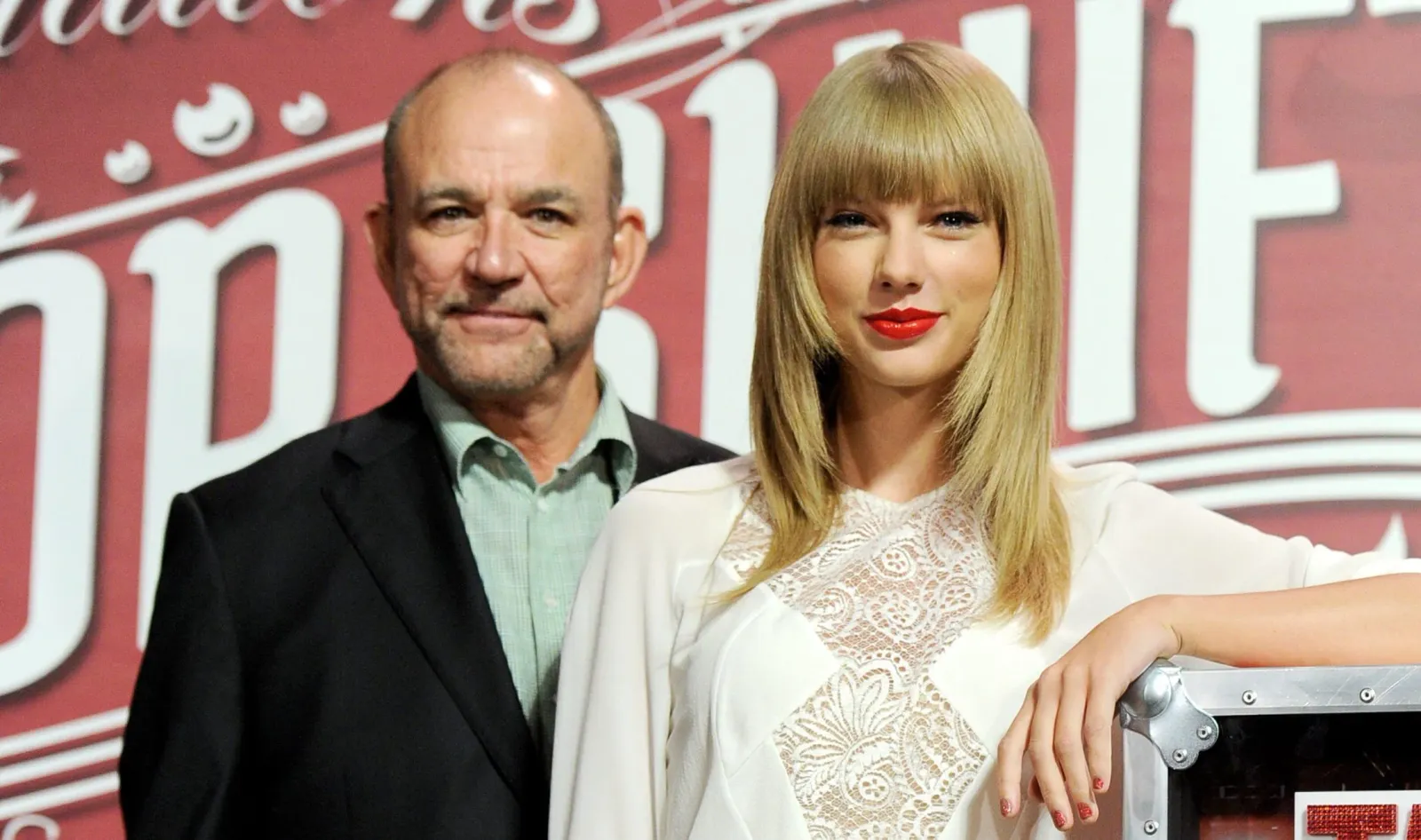
Louis Messina, the promoter behind Taylor Swift's Eras Tour, filed a declaration urging a federal judge to reject the proposed Live Nation/Ticketmaster antitrust settlement, arguing it leaves independent promoters vulnerable to retaliation. If the settlement is approved as is, Messina warns he could go out of business like other promoters who have crossed the concert giant.
Louis Messina has promoted some of the biggest tours in music history, including Taylor Swift's record-shattering Eras Tour and George Strait's stadium runs. You might think a man with that kind of track record would be untouchable. But in a declaration filed this week in federal court, Messina says he is just as vulnerable as any other independent promoter when it comes to Live Nation and Ticketmaster. He is urging the judge to reject the proposed antitrust settlement between the Department of Justice and the concert giant, warning that the deal as written would leave him and others like him exposed to retaliation that could put them out of business.
The case stems from the DOJ's 2024 antitrust lawsuit against Live Nation and its ticketing subsidiary Ticketmaster, which accused the company of maintaining an illegal monopoly over live concert promotion and ticketing. The government alleged that Live Nation used its vertical integration to lock up venues, artists, and promoters, squeezing out competition and driving up prices for fans. After months of negotiations, the DOJ and Live Nation reached a proposed settlement that would impose new rules on the company, including bans on exclusive ticketing deals and requirements to divest some assets. But Messina, along with other independent promoters, argues the settlement is too weak to actually break Live Nation's grip on the industry.
In his declaration, Messina describes a pattern of intimidation and coercion that he says has been going on for years. He recounts how Live Nation would use its control over venues and ticketing to pressure artists and promoters into using its services, and how those who resisted faced consequences. Messina says he has personally seen smaller promoters get squeezed out after they tried to book shows without Live Nation's involvement. He warns that the proposed settlement does nothing to address the underlying power imbalance, and that without stronger remedies, Live Nation will simply find new ways to maintain its dominance.
Messina's filing is notable not just for its content but for who is making it. He is not a small-time operator; he is one of the most successful promoters in the business, with decades of experience and relationships with the biggest names in music. If he is afraid, he says, imagine what it is like for smaller players who do not have his leverage. He points out that Live Nation has the ability to blacklist promoters, deny them access to venues, and make it impossible for them to book tours. The settlement, he argues, does not include enough safeguards to prevent those tactics from continuing.
The judge overseeing the case now has to decide whether to approve the settlement or send the parties back to the drawing board. Messina is not alone in his opposition; a coalition of independent promoters and consumer groups have also filed objections. They argue that the settlement is a sweetheart deal that lets Live Nation off the hook without fundamentally changing the competitive landscape. They want the judge to require more substantial divestitures, such as spinning off Ticketmaster or selling off a portion of Live Nation's venue portfolio.
The outcome of this case could reshape the live music industry. If the judge rejects the settlement, the DOJ and Live Nation would have to go back to negotiations or proceed to trial, which could take years. If the judge approves it, independent promoters like Messina will have to continue operating in a system they say is rigged against them. Messina's declaration is a stark reminder that even the most successful players in the industry feel the pressure, and that the fight over Live Nation's dominance is far from over. For fans, the stakes are equally high: the outcome will determine whether ticket prices and availability improve or continue to be controlled by a single corporate giant.
This story's Key Insights and Take-aways are locked.
Create a free account to unlock Executive Actions for one credit.
Register to UnlockAlways free for Executives Club members. Join the Club
More in Business
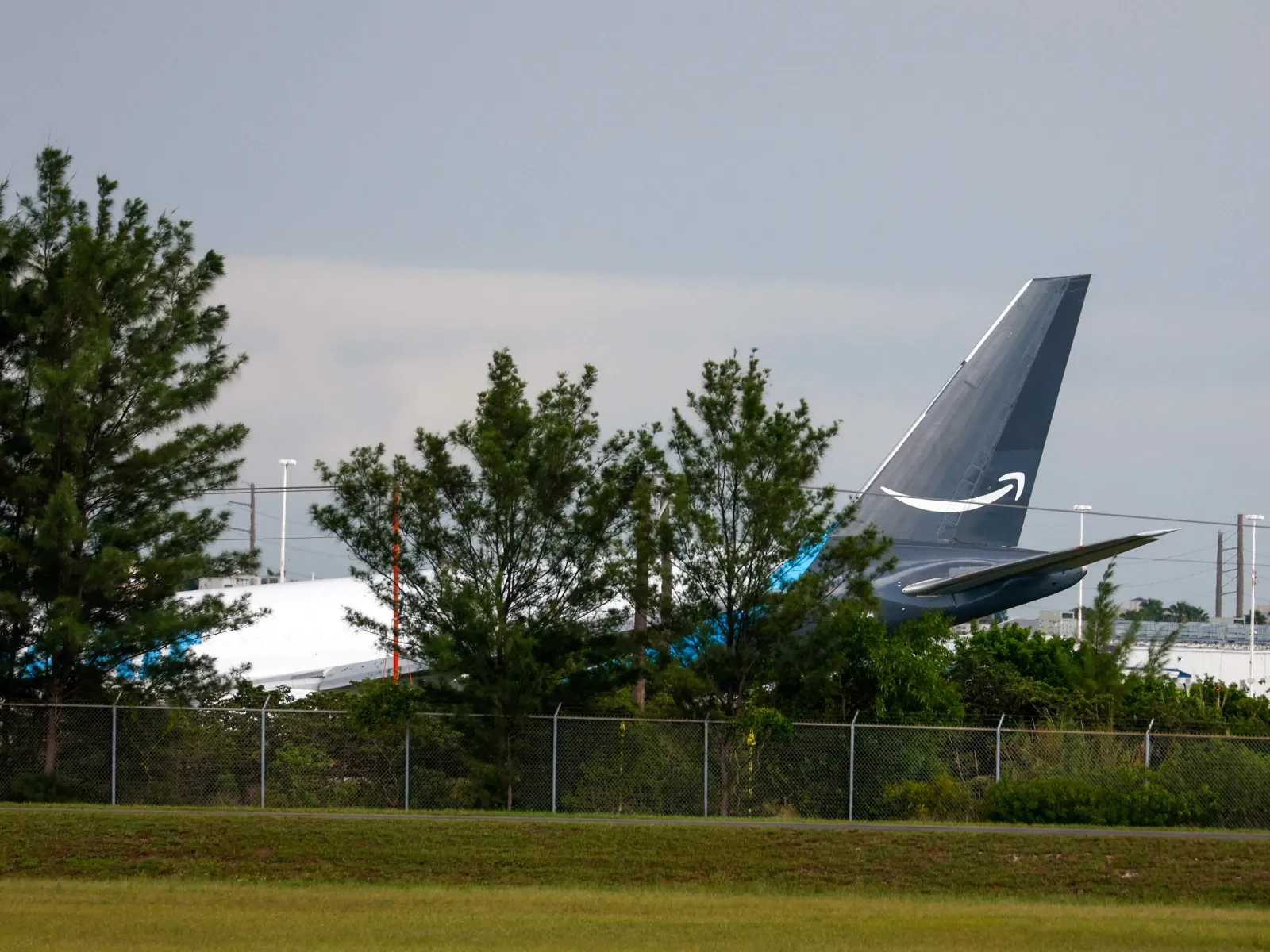
Amazon Prime Air 767 overshoots Miami runway, killing at least 5
The Boeing 767 freighter from San Juan struck vehicles and erupted in flames, prompting a ground stop and a fresh NTSB investigation into Amazon's air cargo network.

Death sentence for TV presenter Sarah Khalifa: Egypt's drug case hits media
The sentencing of Sarah Khalifa and 11 others underscores the severity of Egypt's anti-drug laws and the exposure of public figures to capital punishment.
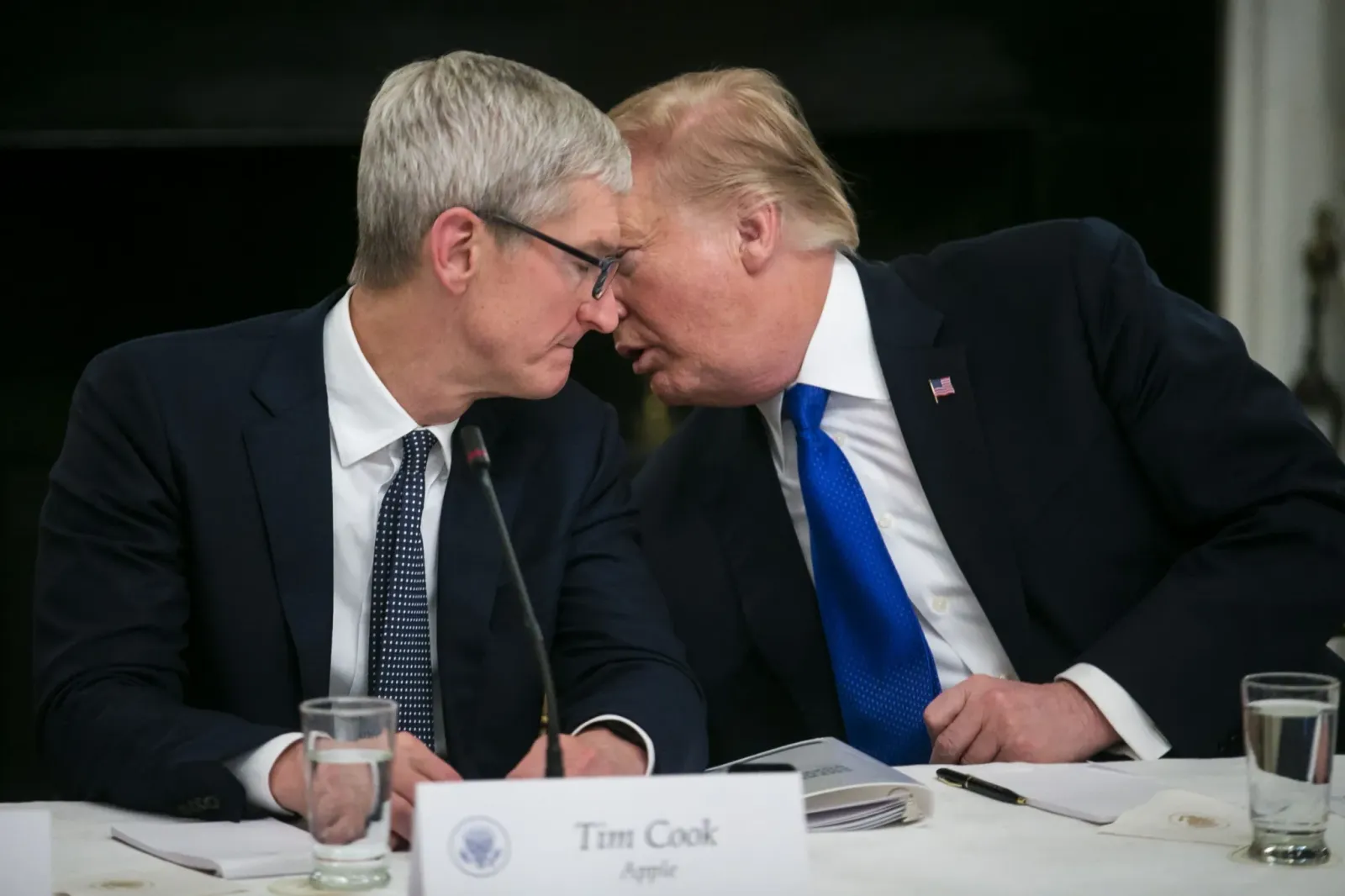
Tim Cook steps down as Apple CEO, stays on as chair with $45M equity
The 'Trump whisperer' keeps his White House and Beijing access as Apple navigates tariffs and a $4.6 trillion market cap.