
Teenage Engineering OP-XY and EP-40 drop 30% at Guitar Center, Amazon, and B&H
Codes and on-page coupons cut OP-XY from $2,299 to $1,609.30, plus EP-40 from $329 to $230.30.
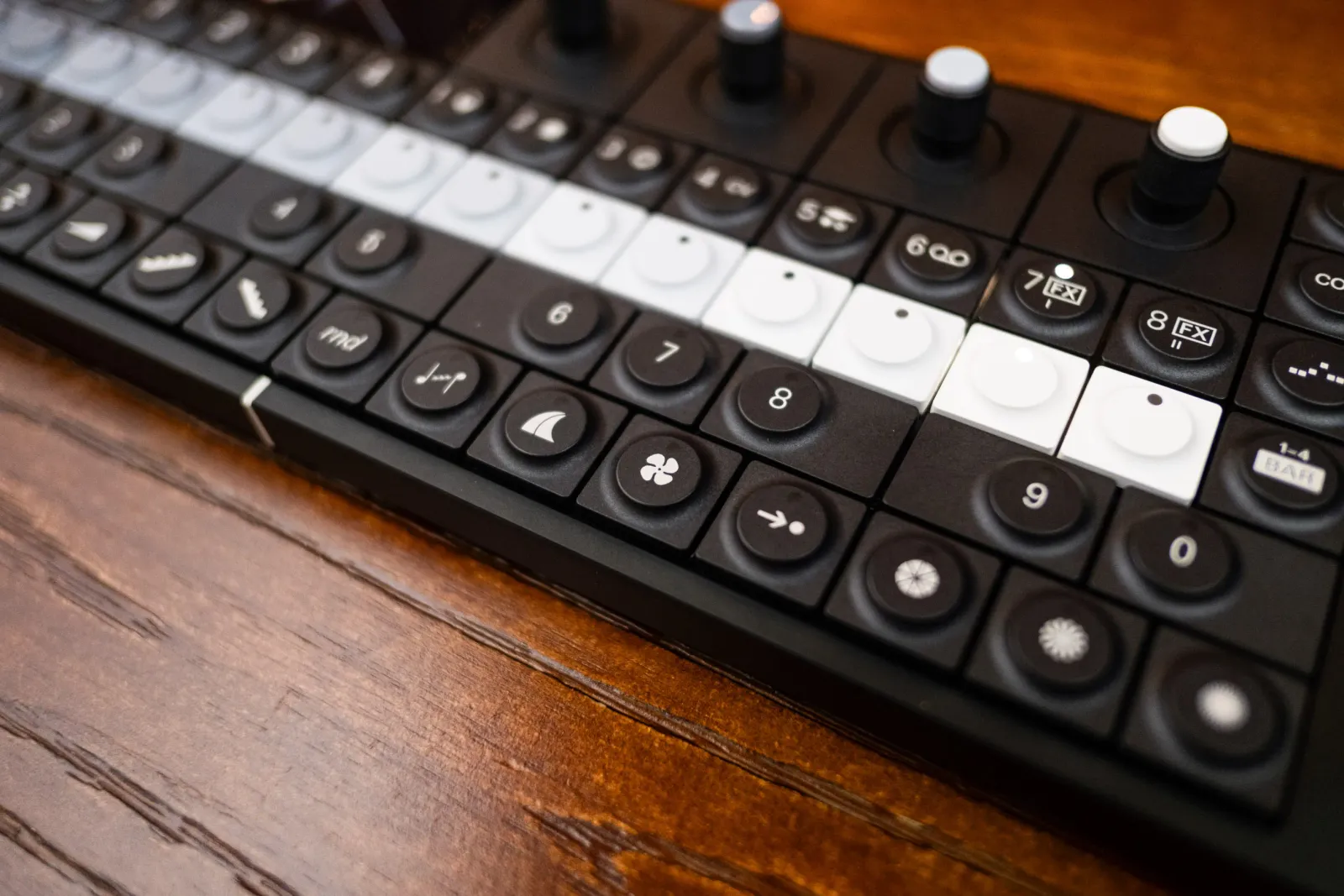
Teenage Engineering is discounting multiple grooveboxes, including the OP-XY and EP-40 Riddim, with 30% off at Guitar Center, Amazon, and B&H Photo. For decision-makers, the promo is a real-time signal of hardware demand cycles and how quickly retail inventory moves when margins tighten.
Teenage Engineering’s OP-XY, normally $2,299, is discounted 30% to $1,609.30 during a promo running across Guitar Center, Amazon, and B&H Photo. The same deal sheet also takes the EP-40 Riddim from $329 down to $230.30, positioning the company’s more approachable sampler as a “starter” entry point.
If you only have a minute, here is the practical shape of the offer: at Guitar Center, you use code TE30; at Amazon, you click the on-page coupon; and at B&H Photo, the discount is applied automatically at checkout. The Amazon coupon terms say it runs through August 8th, 2026, while the Guitar Center deal is listed as “limited time.” That difference matters, because it changes buyer behavior and inventory velocity in the near term.
Zoom out a second and this is bigger than “cute gear on sale.” Grooveboxes sit in an unusual market lane, somewhere between musical instrument and modern art. Teenage Engineering leans hard into that identity: the devices borrow design language from synthesizers, loopers, and effects pedals, and they are built to create music in real time from a single unit. For customers, that means fewer separate boxes, less setup friction, and the ability to jam, record, and iterate without a studio workflow. For retailers, it also means demand tends to be clustered around new buyers and gift cycles, because the value is immediately experiential, not only spec-driven.
The OP-XY is one of the brand’s “flagship units.” In The Verge’s framing, it is essentially a “greatest hits tour for Teenage Engineering,” which is a useful shorthand for how the device bundles capabilities rather than asking buyers to assemble a patchwork of hardware. At its list price of $2,299, the OP-XY can feel like a big commitment for an aspiring musician. The discount code brings it down to $1,609.30, making it “a lot cheaper,” but still premium enough that the buyer’s decision likely hinges on perceived durability and real performance capability, not just price. The source also notes that the OP-XY is currently sold out at Amazon, but in stock and discounted at Guitar Center and B&H Photo. That stock pattern is a classic retail behavior: a headline discount draws immediate demand, and the fastest-selling channel can drain inventory quickly.
The buyer story becomes even clearer when you look at what The Verge says is the most tempting alternative: the EP-40 Riddim. It is described as a compact sampler with a library of over 400 built-in synth settings and effects, “particularly well-suited for producing dub and reggae music,” plus 128MB of storage for your own loops and recorded sounds. The key point for decision-makers is how the product changes the onboarding curve. The source says it is “a bit less intimidating for a beginner” than the OP-XY, both in price point and features, and that its genre focus may help concentrate efforts and onboarding.
That matters because the discount is not only a revenue lever, it is a channel strategy lever. Pricing a beginner-friendly entry product at $230.30 instead of $329 can pull new users into the ecosystem, which can then later justify upgrading to the OP-XY. In other words, a 30% promo can act like a mini growth funnel, not just a one-time markdown. When a premium flagship is discounted, it competes with the “wait and see” behavior of higher-intent buyers. When a smaller unit is discounted, it competes with “I do not want complexity yet” buyers. Retailers and manufacturers usually care about both segments, because one segment builds pipeline while the other fills near-term inventory.
From an executive perspective, there are also second-order implications in how these promos are time-bounded and communicated. Amazon’s coupon running through August 8th, 2026 signals a longer tail of discounted availability for buyers who browse later. Guitar Center’s “limited time” language, meanwhile, increases urgency and typically accelerates sell-through during the promo window. B&H’s automatic discount at checkout lowers friction, which can lift conversion for people who dislike hunting codes. Together, those mechanics determine whether inventory reduction is fast and noisy, or slow and controlled.
Finally, consider what peers in consumer hardware and creator tools should take from this: when a brand like Teenage Engineering, known for premium build quality and distinctive design language, offers a consistent 30% across multiple SKUs and multiple retailers, it is telling a simple story about channel movement. Even without any regulatory filings in the source, the retail behavior is a reminder that hardware businesses live or die by timing, stocking decisions, and the ability to translate product capability into a reason to buy now.
This story's Key Insights and Take-aways are locked.
Create a free account to unlock Executive Actions for one credit.
Register to UnlockAlways free for Executives Club members. Join the Club
More in Business

Anthropic’s Levant Alpöge cracks the Jacobian conjecture after 87 years
A Harvard valedictorian used Claude to hit a 1939 breakthrough, but the missing “why” is the real problem.

Uber buys Delivery Hero for nearly $15B, vaulting to top food delivery outside China
The deal doubles Uber's dual-services footprint and pushes a ride-and-eats bundling play into 50 more markets.

Epic and Google drop settlement bid, forcing rival Android app stores by July 22
Google told the court it is ready to carry third-party app stores starting Wednesday, July 22.