
Tetsuya Nomura says Kingdom Hearts is now his life's work after Final Fantasy 7 role
The JRPG creator’s perspective signals how a long-running franchise becomes a career, and what that means for bets in games.
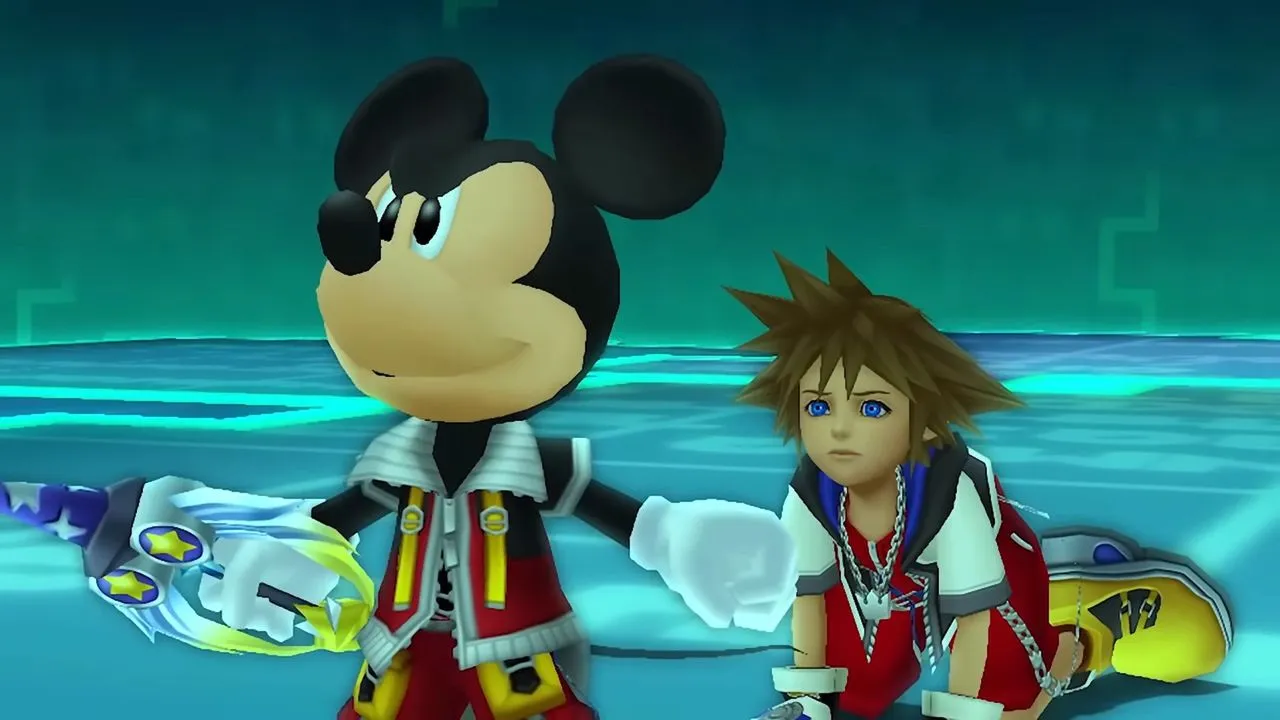
Tetsuya Nomura, the JRPG icon known for a key role in Final Fantasy 7, says Kingdom Hearts has become his life's work. He frames it as a “long journey” he never imagined would last this long.
Tetsuya Nomura helped shape Final Fantasy 7. Now he is telling a different story about how his career evolved: in his view, Kingdom Hearts has become his life's work. In the interview, he says, “I never imagined it would become such a long journey.”
That line matters because it is not just fan-website poetry. It is a blunt reminder that mega-franchises in games do not behave like short campaigns. They operate more like multi-decade programs, where creative direction, production cadence, and audience expectation compound over time. Nomura’s career arc, from a key role in one of the most influential JRPGs ever made to a long-running crossover world that effectively defines him, illustrates the point: once a franchise becomes a living system, the next version is never “starting over,” it is continuing with all the history baked in.
For executives and board-level stakeholders, this is where the strategic stakes quietly get real. Games industries are full of teams that treat sequels like simple iterations, then get shocked when players expect continuity across characters, mechanics, tone, and lore. Nomura’s “life’s work” framing signals what happens when creators do not just build a product, they commit to a universe. That changes incentives. It can increase resilience, because creators often become the guardians of long-term coherence. But it can also increase risk, because production realities and creative decisions must carry the weight of years of narrative and system design decisions.
There is also an organizational angle. When a single creative leader becomes closely associated with a franchise, governance needs to adapt. Boards typically focus on delivery metrics and financial forecasts, but they still have to understand something harder to quantify: the talent continuity behind a brand. In many game studios, the “bus factor” is a management talking point. Nomura’s statement highlights a twist on that risk profile. The upside is sustained vision. The downside is that the company may become dependent on one person’s long-term commitment and capacity to keep the story moving.
Second-order effects show up in how companies structure roadmaps and allocate capital. Long journeys tend to require long runways: staff retention, asset reuse, and ongoing content planning. Even when teams use modular development practices, franchises like Kingdom Hearts live and die by narrative timing and system integration. That means budgets are not only about building content once. They are about preserving a consistent experience across future releases, including cross-media expectations that fans often treat as part of the same narrative contract.
From a market-context perspective, the JRPG genre sits in a competitive ecosystem where audience attention is fragmented. That does not automatically reduce the value of long-running franchises. If anything, staying power becomes an advantage. But staying power is expensive in time and coordination, and it requires alignment between creative leadership and production management. Nomura’s comment, “I never imagined it would become such a long journey,” reads like a human version of a corporate lesson: the path from a breakthrough title to a permanent franchise role is often longer than originally planned, so planning horizons have to stretch.
There is also a communication implication. Fans track what creators say, and creators’ language can shape expectations. When Nomura frames Kingdom Hearts as his life's work, it reinforces the sense that the story and the production cadence are not temporary. That can strengthen brand loyalty, but it also raises the bar for responsiveness. Executives should treat creator statements as part of the product environment, not just PR copy. If players perceive a “life’s work” mindset, they may wait longer, but they also scrutinize continuity more closely.
The bigger takeaway for peers in similar roles, whether they are creators moving into executive influence or executives managing creative ecosystems, is simple. Long-running franchises do not scale like one-off hits. They scale like relationships. Nomura’s perspective, anchored in his key role in Final Fantasy 7 and his current view of Kingdom Hearts, is a reminder that the most powerful IP brands are often built through sustained creative commitment. Boards and leadership teams that understand this can invest with the correct time horizons, define governance that supports creative continuity, and avoid the common trap of expecting short-cycle results from long-cycle art.
This story's Key Insights and Take-aways are locked.
Create a free account to unlock Executive Actions for one credit.
Register to UnlockAlways free for Executives Club members. Join the Club
More in Entertainment
Viu CEO Janice Lee: nearly 20% of long-form users watch microdrama
The format launched months ago, and Viu is building a broader branded and co-production plan around it.
Ransom Canyon returns next month as Netflix fills the Taylor Sheridan Dutton Ranch gap
Netflix brings Ransom Canyon back for Season 2 next month, staking streaming-week dominance against Sheridan’s Yellowstone universe.

Bebe Rexha blocks Olivia Rodrigo rivalry after “Olivia outsold u” comparison
Rexha says she is happy for Rodrigo and doubles down on celebrating women instead of turning pop into a cage match.