
The Deb’s Charlotte MacInnes appeals dismissal of defamation case against Rebel Wilson
MacInnes says Wilson presented false evidence and dishonest statements in the initial trial, and she wants the fight reheated.
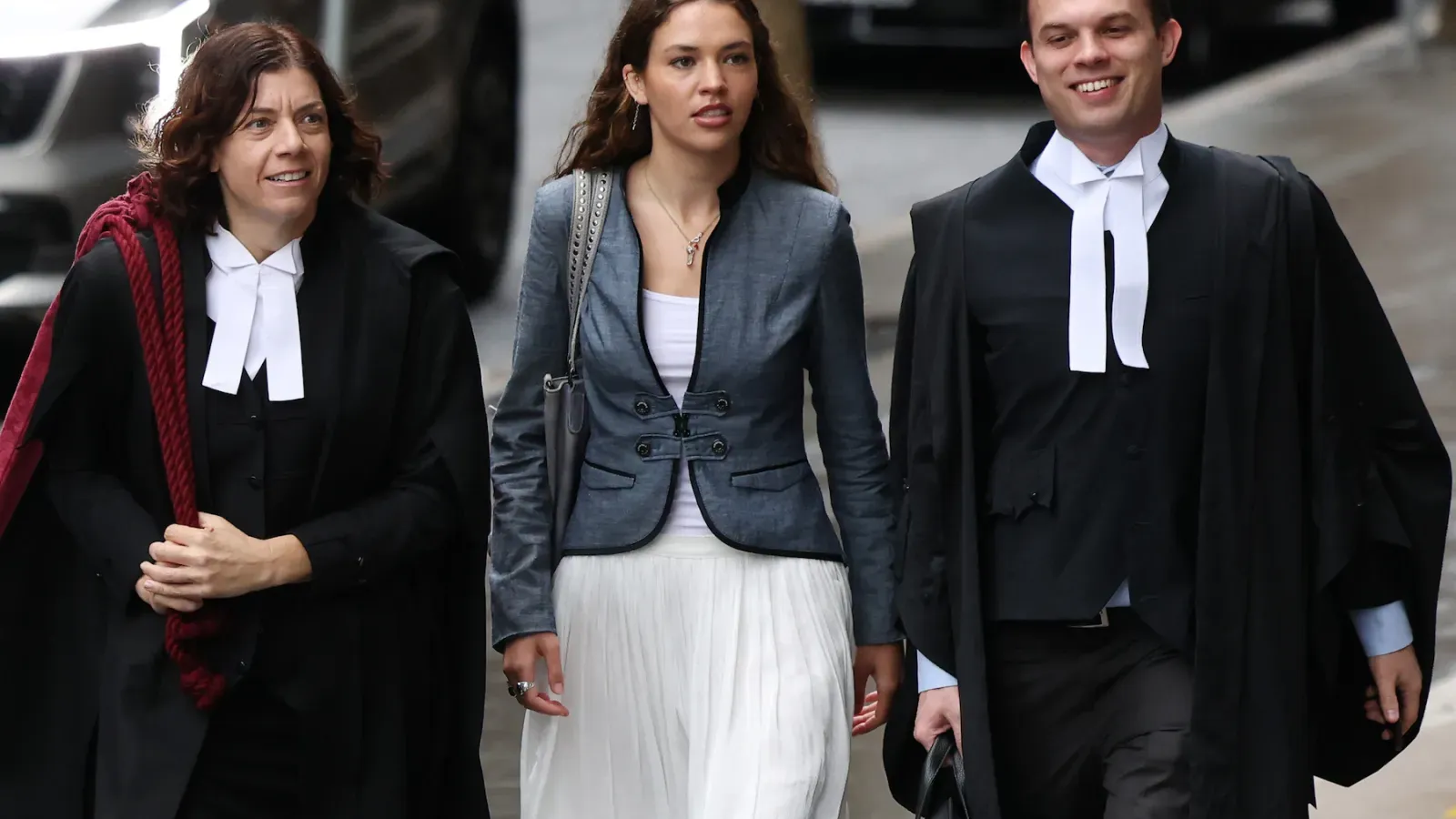
Charlotte MacInnes, who stars in The Deb, has appealed the dismissal of her defamation lawsuit against Rebel Wilson. The appeal keeps the allegations alive and forces both legal teams and reputational stakeholders to plan for a longer runway.
Charlotte MacInnes, an actress from The Deb, has appealed the dismissal of her defamation lawsuit against Rebel Wilson, according to Rolling Stone. In the appeal, MacInnes accuses Wilson of giving "false evidence" and making "dishonest statements" during the initial trial. That is the core dispute that matters: whether the prior outcome that threw the case out will hold, or whether the appeal can reopen the question of what was said, what was presented, and what the court will allow to be argued again.
The immediate relevance for decision-makers is simple. A dismissal is a procedural reset, not necessarily a final verdict on the underlying claims. By appealing, MacInnes is telling the court and the public that she believes the initial trial process included material problems, specifically the use of false evidence and dishonest statements. For anyone tracking high-profile litigation involving media narratives, the stakes are reputational and strategic. When the dispute is defamation, it is not just about winning or losing in court. It is about controlling the record, shaping what viewers, journalists, and business partners think is credible, and protecting brand equity that can be hard to rebuild after a headline cycle.
This kind of case sits at the intersection of entertainment publicity and legal risk management, which is its own ecosystem. In defamation disputes, the legal question typically turns on what was stated, whether it was presented as factual, and whether it was materially false. That is why accusations like "false evidence" and "dishonest statements" are especially loaded in an appeal, because they target the integrity of the trial record itself. If an appellate court is persuaded that errors occurred that affected the outcome, the case can move forward in a way that forces a deeper examination of the evidence already on the record.
There is also a second-order business implication, even though the source story is about courtroom procedure. High-profile litigation can change how studios, agents, and sponsors treat uncertainty. Entertainment companies often plan around risk, and when a defamation case is actively appealed, the timeline becomes less predictable. The uncertainty can affect casting, marketing coordination, and partner negotiations. Even without a new substantive win or loss, an appeal extends the period where media attention stays hot, which can create reputational drag for everyone near the orbit of the dispute.
Another layer is the incentive structure for both sides. For the claimant, appealing an unfavorable decision signals confidence that the dismissal was legally or procedurally wrong. For the defendant, responding to an appeal means continuing legal spend and maintaining messaging that the allegations are without merit. In public-facing disputes, both sides also operate in the court of public perception. The allegation that Wilson gave false evidence and made dishonest statements is not just a courtroom framing. It is also a narrative challenge, one that says the initial trial was not a fair reflection of truth.
For boards and executive teams in adjacent industries, the broader takeaway is how quickly litigation becomes an enterprise issue. Media cases involving well-known personalities attract nonstop coverage. That creates real constraints for legal leaders and communications leaders: they need to ensure statements are accurate, consistent with filings, and not inadvertently taken as admissions. It also pressures risk officers to consider downstream effects, including whether contracts, insurance coverage, and public relations plans account for an appeal stage rather than assuming finality.
The strategic stakes do not stop with the two actresses named in the dispute. When defamation litigation involving prominent entertainment figures becomes appellate business, it can set a tone for how similar disputes are handled publicly. It becomes a reference point for other talent and for their legal teams, including how aggressively they challenge dismissals and how they frame their claims about evidence integrity. And because defamation is tied to reputational harm, every procedural move can reshape what a jury might later hear, how a judge might instruct on standards, and how the facts are ultimately organized into a narrative that either side can support.
In short, Charlotte MacInnes is appealing the dismissal of her defamation lawsuit against Rebel Wilson, arguing that Wilson provided false evidence and made dishonest statements during the initial trial. That move keeps the controversy alive and extends uncertainty for stakeholders who care about reputational risk, narrative control, and legal timelines. For peers in entertainment and for any executive managing brand risk, it is another reminder that in this business, litigation is not confined to courtrooms. It is a long-running signal event that can reshape decisions long after the first ruling.
This story's Key Insights and Take-aways are locked.
Create a free account to unlock Executive Actions for one credit.
Register to UnlockAlways free for Executives Club members. Join the Club
More in Entertainment

Ali G's 'stooge' says he was in on joke, outplayed Sacha Baron Cohen
A 54-year-old aspiring actor says he recognized Sacha Baron Cohen mid-shoot, kept his MAGA act up, and let the film-makers think they had fooled him.

Entertainer Russell Brand denies 7 sex charges amid accuser's 'couldn't breathe' claim
The alleged victim's account sharpens the reputational and legal stakes for Brand, his platforms, and any business tied to a public figure under criminal scrutiny.

Russell Brand's accuser 'bewildered and confused' as he denies 7 sex charges
The criminal case against the comedian is a live test of how media companies manage talent risk when serious allegations go public.