

Thugs and dictators drive world to brink; Tisdall sees hope in ordinary people
The Guardian's Simon Tisdall says analysts already call it a third world war, but the real power to change course lies with citizens, not autocrats.
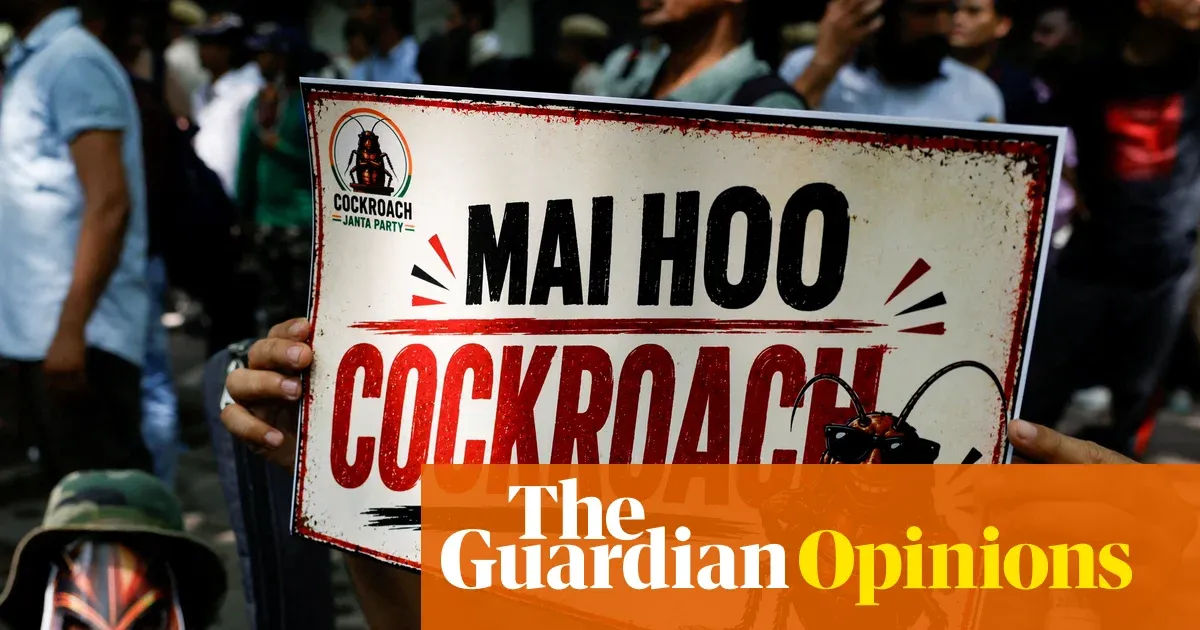
In a Guardian opinion piece, Simon Tisdall argues that the world is being driven to the brink by thugs and dictators, with some analysts declaring a third world war already underway. For decision-makers, the takeaway is that ordinary people and democratic institutions still hold the power to reverse the slide, but only if they act now.
It's no surprise some analysts say we are already in the midst of a third world war, writes Simon Tisdall in The Guardian. The world is a mess, the sky could fall any day, and the list of threats reads like a doomsday checklist: unending wars, expanding humanitarian crises, rising authoritarianism, dysfunctional democracies, rampant extremism, and unchecked lawlessness. Set that against a backdrop of staggering global economic inequality, corporate and individual greed, irresponsible government indebtedness, dangerous AI gambles, climate breakdown, and proliferating nuclear weapons, and a truly apocalyptic outlook begins to take shape. It's enough to make anyone shut their eyes, cover their ears, and utter a Munch-like scream. And it's only getting worse.
Yet Tisdall insists there is a route to a brighter future, and it runs through ordinary people. Democratic leaders who promise a better, safer, more optimistic future cannot escape this wider international context. Take Britain's freshly arrived prime minister, Andy Burnham, who speaks of a 'new era of possibility' but faces a harsh reality. Last week's global bond market upheaval, sparked by external factors, left Burnham's cash-strapped government struggling with sharply increased borrowing costs before he barely got started. His choice of Ukraine for his first overseas trip was symbolically important, but it also highlighted another grim reality: as a lead opponent of Vladimir Putin's invasion, Britain now finds itself in a de facto state of war with Russia - and facing attack.
Argentina, too, is eyeing UK defence vulnerabilities, adding to the pressure. These are not the sort of possibilities Burnham envisaged when he promised a new era. But Tisdall's argument is that the doom is not inevitable. The power of ordinary people, exercised through democratic means, is the counterweight to thugs and dictators. The piece does not offer a detailed policy roadmap, but its core message is clear: despair is a luxury we cannot afford. The same forces that got us into this mess - greed, short-termism, and authoritarian ambition - can be checked by collective action and civic engagement.
For executives and boards, the implication is that political risk is now a permanent feature of the operating environment. Tisdall's reference to Britain's bond market turmoil and defence vulnerabilities underscores how quickly global shocks transmit to national balance sheets. Leaders who ignore these dynamics do so at their peril. The 'new era of possibility' will only materialise if ordinary people - and the institutions they trust - demand accountability from those in power. In the end, Tisdall's message is one of cautious hope. The sky may feel like it's falling, but it hasn't yet. The route to a brighter future exists, but it requires refusing to look away. For anyone in a position of influence, the takeaway is simple: the time to act is now, before the thugs and dictators close the door entirely.
This story's Key Insights and Take-aways are locked.
Create a free account to unlock Executive Actions for one credit.
Register to UnlockAlways free for Executives Club members. Join the Club
More in Business

Death sentence for TV presenter Sarah Khalifa: Egypt's drug case hits media
The sentencing of Sarah Khalifa and 11 others underscores the severity of Egypt's anti-drug laws and the exposure of public figures to capital punishment.
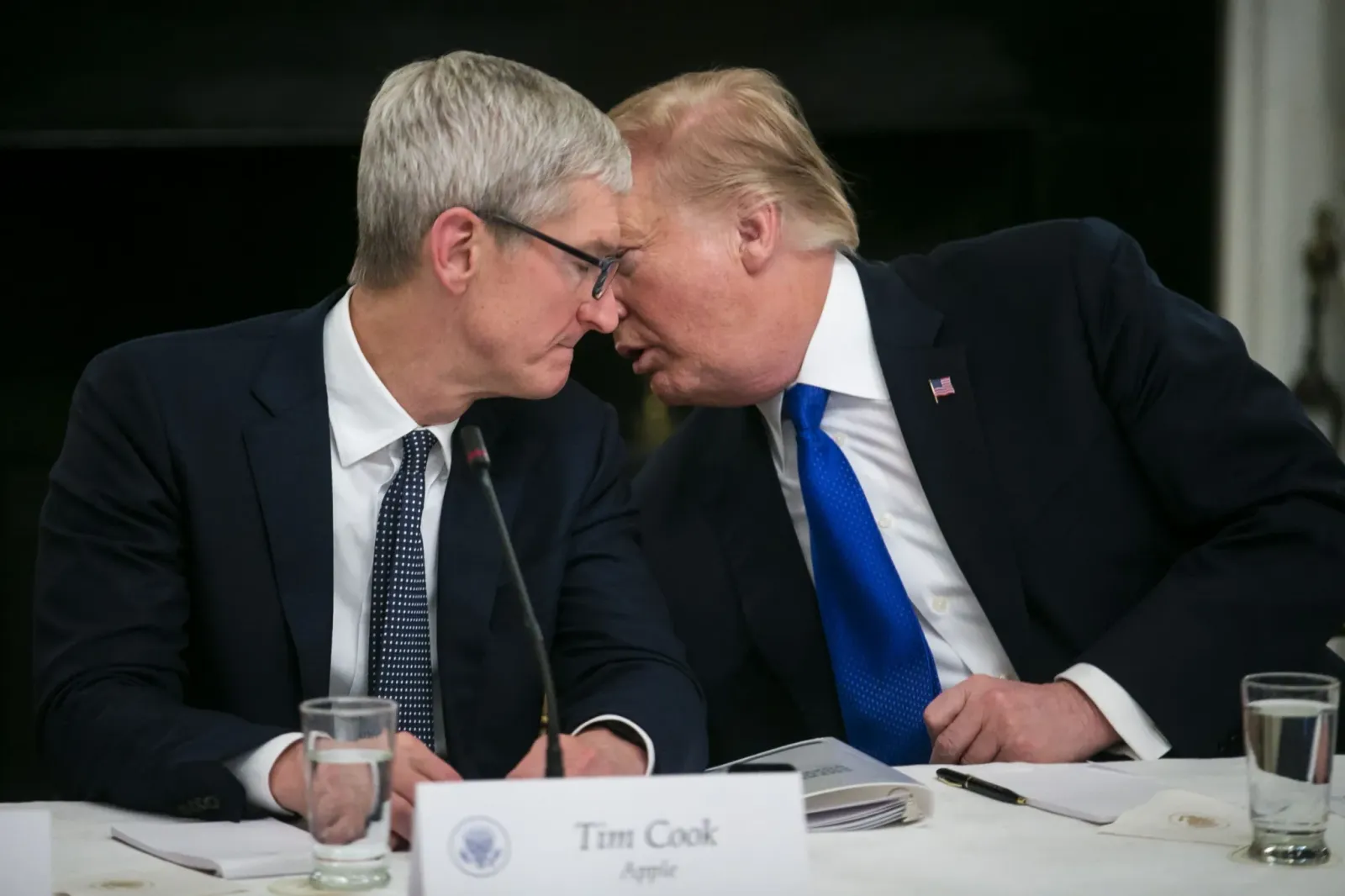
Tim Cook steps down as Apple CEO, stays on as chair with $45M equity
The 'Trump whisperer' keeps his White House and Beijing access as Apple navigates tariffs and a $4.6 trillion market cap.

Snowflake shares surge as AI data demand crushes estimates, lifting full-year forecast
Stocks jumped on stronger-than-expected guidance, signaling enterprise AI workloads are accelerating faster than Wall Street priced in.