

Tim Cook says chip-cost surges make some Apple price hikes “unavoidable”
Apple CEO Tim Cook links memory and storage cost explosions to AI-driven demand, citing TechInsights estimates for iPhone upgrades.
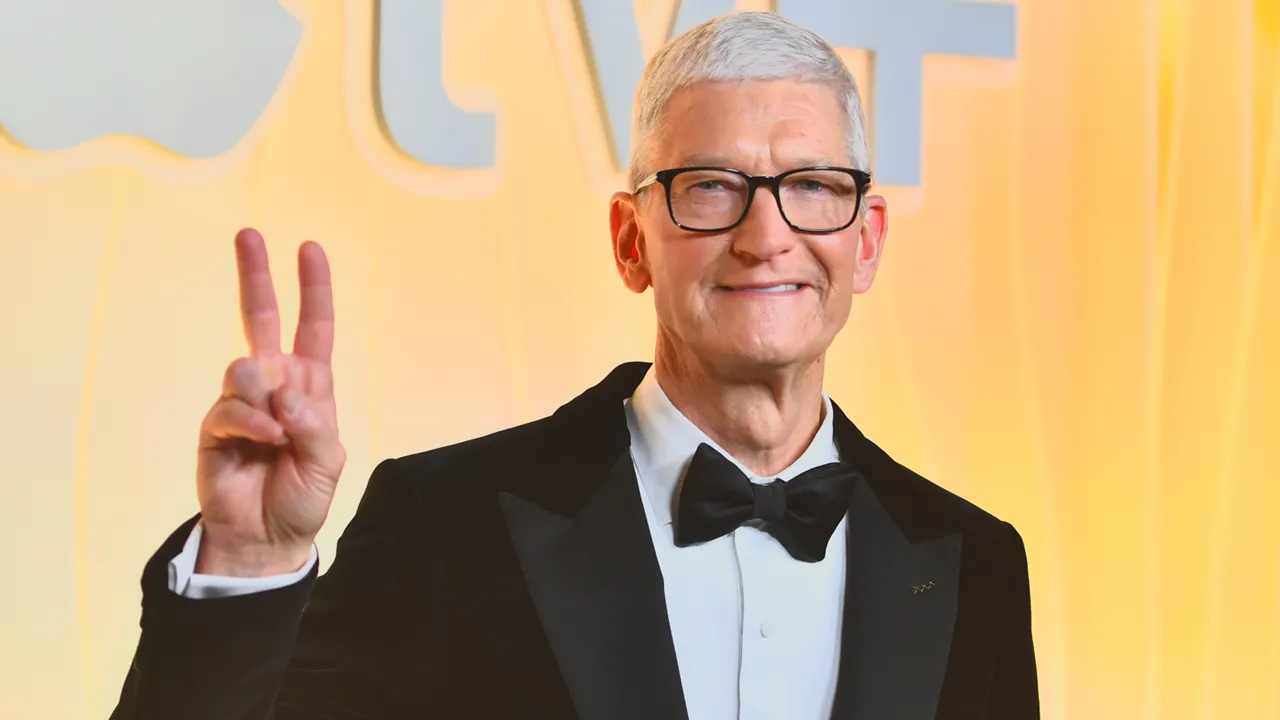
Apple CEO Tim Cook warned that rising costs for memory and storage chips will force price increases on some products, calling them “unavoidable” in an interview with The Wall Street Journal. The implication for decision-makers is a supply-chain and margin stress test, as AI demand reshapes consumer electronics pricing pressure.
Apple CEO Tim Cook is telling customers that some product prices will rise, and he’s using pretty blunt language to make the point: price increases are “unavoidable.” In an interview with The Wall Street Journal, Cook said Apple is “doing our best to mitigate the huge increases that are being passed to us,” but that the situation has become “unsustainable.” In other words, this is not Apple choosing a new pricing philosophy. It is Apple reacting to a cost structure getting hit faster than it can buffer.
Cook anchored the warning in a specific supply-chain reality: memory and storage chip costs are surging alongside the booming AI industry. He pointed to how AI growth has created enormous demand for memory components that consumer electronics depend on. “There’s less supply at a time when consumers want devices and the memory guys are passing along huge price increases,” Cook said. Then he made it concrete with a TechInsights estimate cited by The Wall Street Journal: components that previously cost Apple around $50 in the iPhone 17 Pro could be costing approximately $200 in the iPhone 18 Pro. That shift is the whole story in one line. When the underlying BOM moves that dramatically, “mitigating” can only go so far.
For executives, the interesting part is how quickly an AI-driven bottleneck can leak into everyday consumer products. Memory and storage chips do not just affect data centers and AI accelerators. The same raw component families show up in phones, consoles, and other hardware that consumers buy. Cook’s framing suggests Apple sees a two-sided squeeze: demand from device shoppers remains strong, while supply gets pulled toward AI needs, and suppliers push through “huge price increases.” The result is a margin and pricing challenge that hits on both sides of the P&L. Even if Apple negotiates hard, it is still buying into a market where pricing power and availability are moving against it.
There is also a broader market rhythm at play. The article notes that this kind of cost pressure will sound familiar to gamers, who have already watched console prices rise rather than fall during this generation. That matters because it signals a pattern: when the component cost regime shifts, consumer electronics pricing does not always snap back to previous norms on schedule. This time, AI demand adds a new accelerant. It is not only that memory and storage are expensive. It is that the reason they are expensive is tied to a rapidly expanding AI ecosystem, which can sustain higher demand for longer than a typical cyclical spike. And if supply is consistently rationed, that can make “reasonable levels” harder to reach.
Cook is explicit about what he wants to see next. “We definitely need memory pricing and supply to return to reasonable levels for consumer products,” he said. “That’s the bottom line.” That quote reads like a leadership note, not just a complaint. He is basically telling readers that Apple is not trying to pretend the economics do not exist. The problem is structural: less supply, AI-driven demand, and suppliers passing through “huge price increases.” When the CEO says the issue needs pricing and supply to reset, it implies Apple believes the lever is largely upstream, not downstream. That is a key governance implication for boards and CFOs: if the fix is upstream supply and pricing normalization, internal levers can soften the blow but cannot fully control the outcome.
Second-order implications show up across the ecosystem. The article points out that Sony and Xbox have expressed concern about launching new consoles amid unprecedented demand for memory and storage chips. That is not just a hardware-company issue. It suggests platform schedules, launch windows, and even product design choices can get forced into a corner when memory allocation becomes competitive. If multiple consumer electronics segments are competing for the same constrained components, each company faces a similar dilemma: delay product plans, redesign to use less expensive or different configurations, or absorb higher costs. Cook’s message indicates Apple is leaning toward the least disruptive option available, which is raising some prices while trying to “shield” customers as much as possible.
There is also the competitive narrative risk that comes with cost-driven pricing. When customers hear “price increases” and “unavoidable,” they connect it to the broader inflation conversation. But the article grounds it in a specific cost math shift from TechInsights: $50 components could become $200 components moving from iPhone 17 Pro to iPhone 18 Pro. That level of change gives decision-makers a clearer way to communicate internally: you are not dealing with a small optimization problem. You are dealing with a step-function input cost increase.
For peers, the strategic stake is simple: AI demand is not confined to AI products anymore. It is an input cost regime that can bleed into phones, gaming, and other consumer hardware. Boards and leadership teams in consumer tech should treat memory and storage availability as a strategic risk factor, not a background procurement detail. Cook’s warning signals that the pricing and supply “bottom line” may dictate consumer product planning, margin targets, and customer messaging for multiple product cycles, until memory supply catches up and pricing returns to levels the industry considers “reasonable.”
This story's Key Insights and Take-aways are locked.
Create a free account to unlock Executive Actions for one credit.
Register to UnlockAlways free for Executives Club members. Join the Club
More in Entertainment

Starfleet Academy names newcomer Ruaridh Aldington a Season 2 series regular
At San Diego Comic-Con's Star Trek 60th anniversary panel, Aldington joins as Keats, a high-stakes mystery for the cadets.

Akiva Goldsman drops Strange New Worlds Season 4 timing: weekly until Sept. 24
Star Trek’s co-showrunner uses Comic-Con to lock in the release calendar for Paramount+ Season 4.

Marvel’s Avengers: Doomsday Doom armor stays faithful to comics, but adds samurai-style upgrades
A fresh look at Robert Downey Jr. as Victor von Doom at Comic-Con shows what Marvel kept, changed, and why it matters.