
$179 NTS Radio Player targets Chromecast Audio diehards with hi-fi streaming via Atonemo
A dedicated internet radio player brings NTS stations plus major streaming options to almost any stereo for $179.
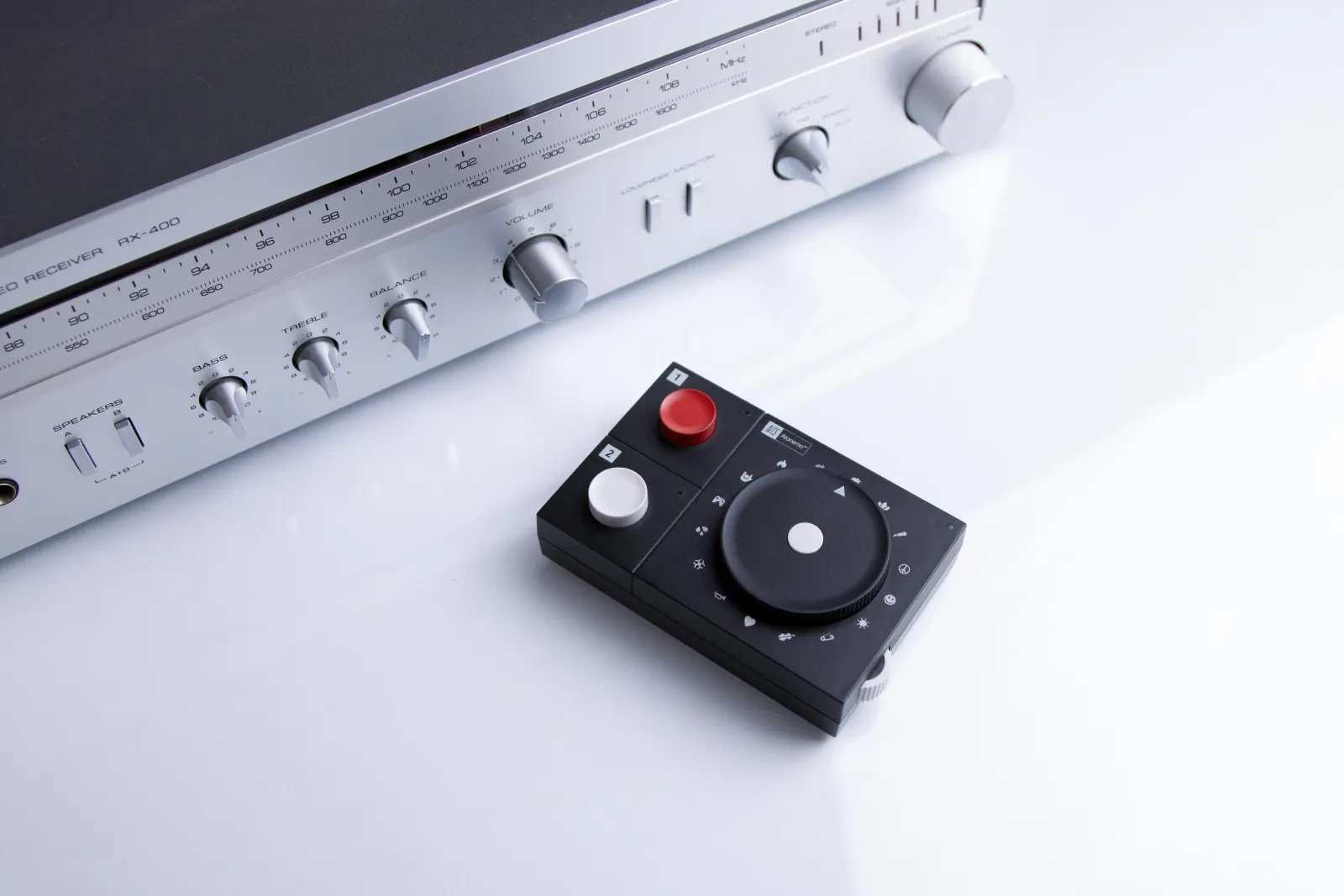
NTS Radio teamed up with Swedish audio company Atonemo to launch the $179 NTS Radio Player, a dedicated device for internet radio and streaming to home audio setups. For decision-makers, it signals how “smart speaker” features keep migrating into audiophile hardware without the original Chromecast Audio.
The $179 NTS Radio Player is aiming directly at the gap left by Chromecast Audio. NTS Radio and Swedish audio company Atonemo built a dedicated player that brings NTS's genre-defying mixes and streaming stations to almost any stereo or speaker setup, using outputs that fit real-world hi-fi wiring.
On the hardware side, it outputs 24-bit / 192kHz audio over a standard 3.5mm audio jack. It also includes an adapter cable for connecting to RCA on a vintage hi-fi system (or whatever other speakers you already have lying around), and the top of the device has two buttons to tune in directly to NTS 1. The “almost any” promise is the whole pitch: you do not need to replace your system, and you do not have to turn your home audio into a tech experiment.
Why this matters in the broader streaming hardware story is simple: the bedroom-listening era never fully crossed into serious audio equipment in the same seamless way. Products like Atonemo's existing Streamplayer already covered a version of this idea, but this new unit is explicitly positioned as a dedicated portal to NTS's internet radio lineup, including “genre-defying mixes and streaming stations.” In other words, it's less about being a generic receiver and more about being a purpose-built interface for a particular kind of listening.
NTS isn't stopping at internet radio, either. The player can also handle “your favorite streaming services” through multiple connectivity and casting ecosystems: AirPlay 2, Google Cast, Spotify Connect, or Tidal Connect. That list is doing a lot of work, because in homes where people use different phones, different OS choices, and different streaming subscriptions, compatibility becomes the product. A dedicated device is only “dedicated” if it still plays nicely with whatever your household already uses.
For executives tracking consumer audio, there is also a subtle market implication. Atonemo is not trying to be the universal hub with app-on-everything complexity. Instead, it is bringing high-quality audio specs and familiar physical connections (3.5mm and RCA via the included adapter) into a small player format, and then layering on the ecosystem glue. That approach is a hedge against one of the recurring problems in connected audio: when software updates or platform support shift, hardware that depends too heavily on one path can get left behind. By supporting several major streaming control standards, the NTS Radio Player reduces the odds that one ecosystem change strands a user.
Then there is the “Chromecast Audio replacement” angle, which is partly emotional and partly functional. Chromecast Audio is associated with easy casting and low-friction streaming into existing speakers. A new device that focuses on a straightforward output and direct buttons (NTS 1 access) is trying to replicate the convenience while meeting people where they are on audio quality. The 24-bit / 192kHz output claim reinforces that the target buyer is not only craving “something that works,” but “something that sounds right.”
Regulatory and platform policy is rarely front-and-center in consumer audio launches, but the operational reality is always there. Streaming functionality depends on licensing and on the continuing availability of APIs and connection methods like AirPlay 2 and Google Cast. When companies build multi-standard compatibility, they are also diversifying their platform dependency. That is an important board-level consideration when product teams plan roadmaps, because the risk is not only engineering effort. It is also the commercial and legal ability to keep core features running over time.
Strategically, the NTS Radio Player also highlights a second-order competitive pressure. If dedicated internet radio can move into mainstream living rooms with “almost any stereo” compatibility, audiophile-minded listening can become less siloed. That puts pressure on other connected-audio products to offer not just sound quality, but a cleaner path for discovering and controlling content. For founders and executives in this space, the question becomes: are you building a gadget, or are you building a listening destination that survives the churn of platforms and the patchwork of household devices?
This story's Key Insights and Take-aways are locked.
Create a free account to unlock Executive Actions for one credit.
Register to UnlockAlways free for Executives Club members. Join the Club
More in Entertainment

Norman Reedus exits The Walking Dead after 16 years as Daryl Dixon
A 16-season Daryl Dixon era ends, and it reshapes how TV studios hedge risk in long-running franchises.

“Leviticus” turns conversion therapy panic into romantic horror, inspired by gay-rights “regression”
Adrian Chiarella’s debut channels a specific fear: LGBTQ rights backsliding into coercion, then demonic pursuit.

‘Obsession’ tops $300M worldwide for Focus Features as Focus goes back-to-back for hits
Curry Barker’s third Universal-Blumhouse-Atomic Monster movie clears $300M globally, while Mando and Baby Yoda “get lost” stateside in the Backrooms.