

Trump’s H-2A cuts could cost workers up to 32% of wages, lawyers say
In Georgia’s farm fight, the government’s worker-safety duties collide with a bid to keep crops profitable.
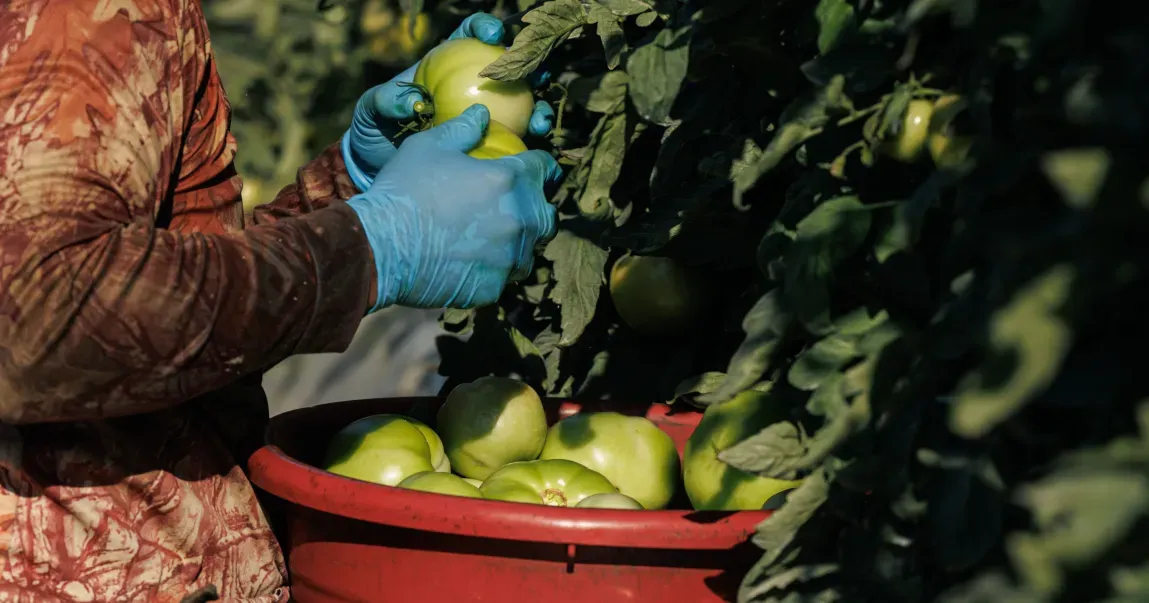
ProPublica reports that Trump’s administration reduced H-2A hourly pay rates, aiming to save farmers more than $2 billion a year. The consequence is projected to cost H-2A workers up to 32% of their annual wages, as lawsuits and Supreme Court rulings shape what agencies can do next.
Nearly two years into ProPublica’s reporting on abuses of foreign farmworkers in Georgia, the through-line has been a frustrating mismatch: federal protections that were supposed to safeguard workers can collide with a separate federal priority, keeping farms afloat. The U.S. government is trying to enforce obligations to keep foreign workers safe, but at the same time it is operating inside a system where farmers argue the H-2A visa program is financially suffocating.
The latest flashpoint is arithmetic. After industry pressure, the Trump administration last year reduced the hourly pay rate for H-2A workers, expecting it will save farmers more than $2 billion a year. But the Economic Policy Institute projects those savings will cost H-2A workers up to 32% of their annual wages. That is the stakes in one sentence: who pays for “solvent farms” when the program is designed to guarantee labor standards?
To understand why this collision keeps recurring, you have to zoom out to how H-2A is built. The program sets minimum hourly wages and also requires that farmers pay for workers’ housing and transportation. For years, farmers have pushed for fewer H-2A regulations, in part because they say compliance costs have skyrocketed. In a letter to the U.S. Department of Labor, one Georgia farmer wrote that “It has felt like every policy that pertained to the H2A program was made focusing solely on the benefit of the migrant worker.” Whether you agree with that framing or not, it captures the core tension: the same rules that are meant to prevent exploitation are experienced by employers as a margin-killer.
That tension was on full display during a freezing cold weekend in January 2025, when ProPublica reported on what farmers sought at a conference in Savannah, Georgia. In a room filled with farmers facing an industry dependent on foreign labor and a rising number of bankruptcies, lawyers and lobbyists made a case for major changes. One presentation described Trump’s second term as an opportunity to “profoundly” change the program, including making it easier to hire H-2A workers and pay them less. Braden Boucek, described as an attorney who has represented the farm industry in challenges to the H-2A program’s requirements, summed up the mood: “Everything is on the table.”
From there, the strategy split into three concrete moves the lawyers told the farmers would lower costs. First: overturn parts of a rule enacted by the Biden administration. That Biden-era rule granted workers the right to pursue certain union protections, including ones that could shield them from unfair treatment by employers. Farmers opposed the rule, arguing it would make their businesses harder to run. ProPublica says former U.S. Labor Department assistant secretary Leon Sequeira told farmers about ongoing lawsuits that could help “invalidate” parts of the rule. The previous June, a Georgia blueberry farm and 17 states sued the administration, alleging the rule went beyond what Congress allowed. Temporary injunctions halted part of the rule. Sequeira later told ProPublica the legal effort “isn’t about denying more protection for workers.” Instead, it is intended to protect farmers from overreach by the U.S. Labor Department, framing it as an agency boundary issue: Congress makes the decision when it passes laws, not the agency. After Trump took office, the administration suspended enforcement of the Biden rule and proposed to rescind parts of it, with that proposal pending.
Second: slow or stop wage increases that had surged during the first Trump administration and the Biden administration. ProPublica reports that, after months of industry pressure, the Trump administration reduced the hourly pay rate and expects savings of more than $2 billion a year. Again, the Economic Policy Institute projection is the key counterweight: up to a 32% reduction in annual wages for H-2A workers. In other words, the compliance costs farmers complain about are real, but so are the labor protections that come with H-2A. When you move one lever, another group feels the shift.
Third: use the courts to expand what agencies can and cannot do. At the conference, lawyer Ann Margaret Pointer described how three U.S. Supreme Court rulings had diminished federal agencies’ powers. One limits the ability of federal agencies to create new regulations. Another makes it harder for agencies to fine companies that violate some federal laws. And a third makes it easier for employers to challenge federal regulations that have been on the books for many years. Pointer’s pitch to farmers was that these decisions could pave the way for future lawsuits challenging the visa program and strengthen the odds that farmers win. She also described the goal as preventing compliance costs from falling on farmers’ shoulders.
ProPublica then reached out to the lawyers and lobbyists from the conference to ask about progress. Boucek declined to comment. Pointer and Sequeira said the Trump administration’s initial changes improved how the program works for farmers, and Sequeira described the changes as “just the beginning.” They also argued that larger changes would require action from Congress. The source points to a recently filed bill that proposes to limit wage hikes, cut red tape for farmers, and allow additional sectors of the farming industry to participate in H-2A. Labor and immigrant advocacy organizations oppose the bill, saying it would harm farmworkers and amount to executive overreach.
For decision-makers, the strategic takeaway is uncomfortable and clear. H-2A is not just a visa program. It is a budget line, a labor market mechanism, and a regulatory battleground. Companies and boards that touch seasonal agriculture, labor contracting, or immigration compliance should treat the court-driven angle as part of the business model now. And regulators inside the federal government are effectively boxed in: Sequeira told ProPublica that until Congress changes the statute, the Labor Department “can only fiddle around the edges.” That means the next rounds of pressure may shift from rulemaking toward litigation, where the winners can redraw the boundaries of agency power while farms fight for survival and workers absorb the cost changes.
This story's Key Insights and Take-aways are locked.
Create a free account to unlock Executive Actions for one credit.
Register to UnlockAlways free for Executives Club members. Join the Club
More in Business

Anthropic’s Levant Alpöge cracks the Jacobian conjecture after 87 years
A Harvard valedictorian used Claude to hit a 1939 breakthrough, but the missing “why” is the real problem.

Uber buys Delivery Hero for nearly $15B, vaulting to top food delivery outside China
The deal doubles Uber's dual-services footprint and pushes a ride-and-eats bundling play into 50 more markets.

Epic and Google drop settlement bid, forcing rival Android app stores by July 22
Google told the court it is ready to carry third-party app stores starting Wednesday, July 22.