
Trump says Iran requested Doha talks; Witkoff and Kushner head to Qatar
A Doha meeting is on the calendar Tuesday, even as Tehran denies direct US negotiations.
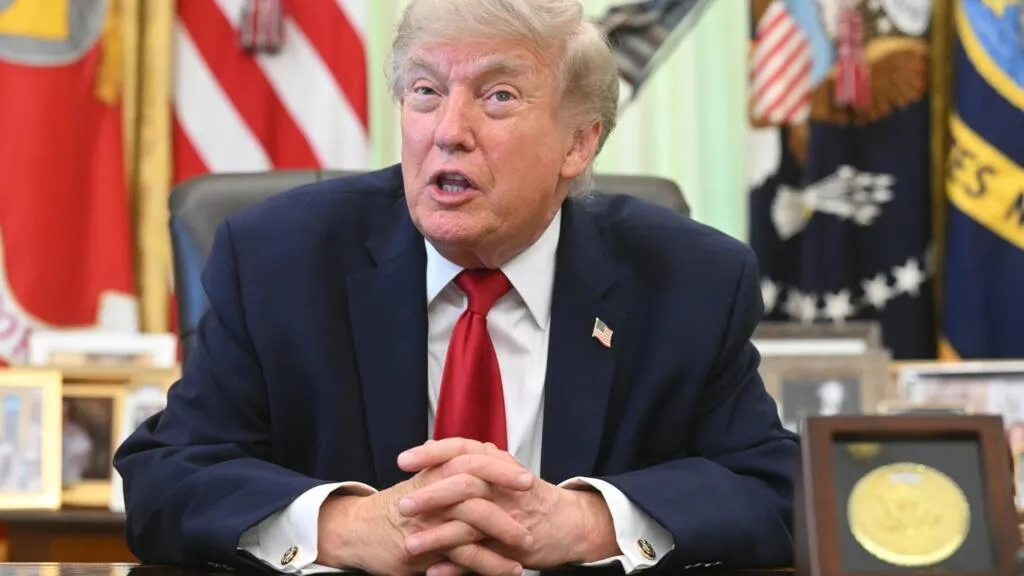
Donald Trump said Iran requested a meeting in Doha on Tuesday, with talks expected to take place in Qatar. The White House said US envoy Steve Witkoff and adviser Jared Kushner will travel there for high-level meetings.
US President Donald Trump said on Monday that Iran requested a meeting in Doha on Tuesday, a move that lands on the calendar even as Tehran denies direct negotiations with Washington. Trump said the talks would occur in Qatar, setting up a sharp, fast-moving diplomatic headline that is likely to ripple across risk markets and policy corridors before Tuesday even arrives.
In Washington's version of the same storyline, the White House said US envoy Steve Witkoff and adviser Jared Kushner would travel to Qatar for high-level meetings. So the immediate takeaway for anyone tracking US-Iran engagement is simple: there will be senior US presence in the region next, but the political language around it is already split. Trump frames it as an Iranian request for a Doha meeting. Tehran frames it, by denial, as not being direct US talks. That mismatch matters, because negotiations are not just about outcomes, they are also about narrative control, legal framing, and domestic politics.
To understand why this is more than a scheduling update, zoom out to how US-Iran diplomacy typically works. Direct negotiations with the United States are politically sensitive for Tehran and institutionally complicated for Washington, especially when sanctions and enforcement are on the table. When a government denies direct talks, it can be signaling several things at once: preserving negotiating leverage, avoiding perceived concessions, or keeping diplomatic space for future bargaining. For the United States, the placement of Witkoff and Kushner in Qatar suggests the White House is treating this as a high-level channel rather than a purely exploratory trip. In practice, that means any meetings could quickly become a magnet for second-order effects like compliance planning, sanctions risk assessments, and logistics decisions in energy and shipping.
That is where executives should pay attention, even if you are not a sanctions lawyer. The US sanctions regime is not only about whether a meeting happens, it is about how the meeting is framed and whether any substantive shifts follow. Companies operating in adjacent markets often have to decide how they interpret policy signals: Are these talks a prelude to policy change, or are they only meant to manage risk without changing enforcement? When policy messaging is contested, uncertainty stays sticky, and sticky uncertainty tends to freeze decisions.
You can also see the credibility contest playing out in the details. Trump says Iran requested a meeting in Doha. The talks, he says, will occur in Qatar. Meanwhile, Tehran denies direct negotiations with Washington. Even without additional reporting in the source, this kind of choreography is not random.
This story's Key Insights and Take-aways are locked.
Create a free account to unlock Executive Actions for one credit.
Register to UnlockAlways free for Executives Club members. Join the Club
More in Politics
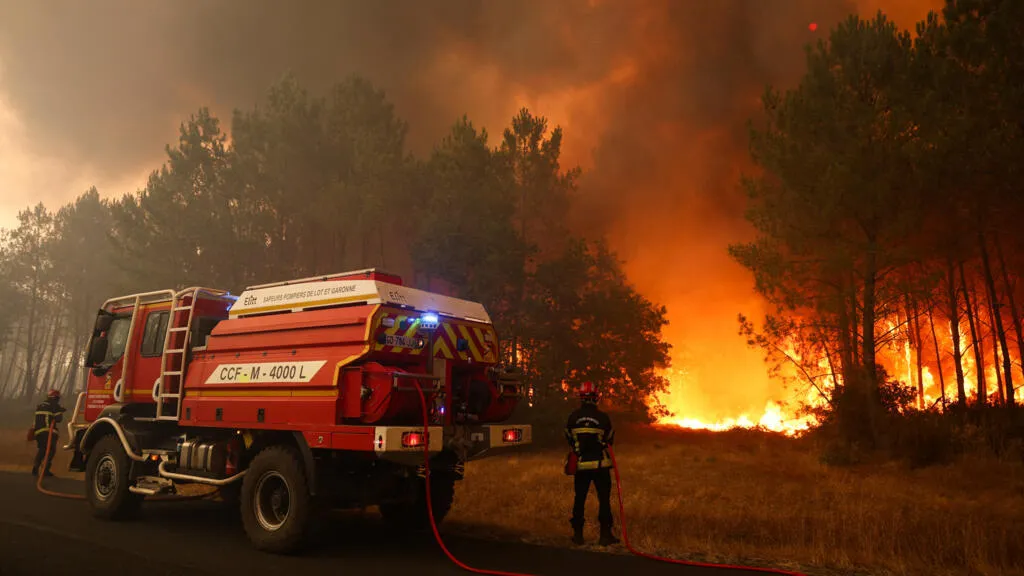
12,000 tourists evacuated from Le Porge as wildfire rages in southwest France
A fire starting midday Wednesday triggered a Thursday evacuation, with heatwave conditions since May worsening wildfires nationwide.
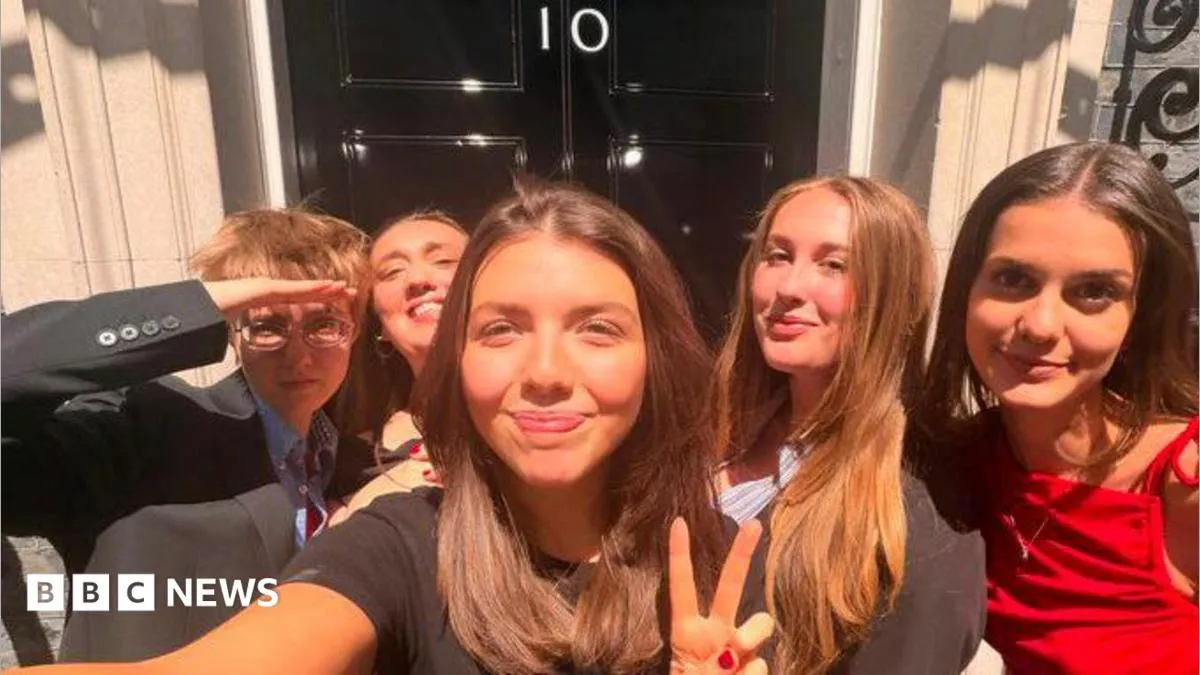
Andy Burnham will court social media creators to spread his prime minister message
The UK prime minister plans influencer collaboration, raising questions about platform power, credibility, and political compliance.

Zinedine Zidane ends Deschamps era: signs four-year France deal until 2030 World Cup Tuesday
A new Les Bleus chapter starts Tuesday, with Zidane replacing Didier Deschamps after 2012.