

Trump threatens EU with new tariffs after EU fines Google under the Digital Markets Act
A Digital Markets Act ruling against Google triggers a tariff threat, turning antitrust enforcement into geopolitics fast.
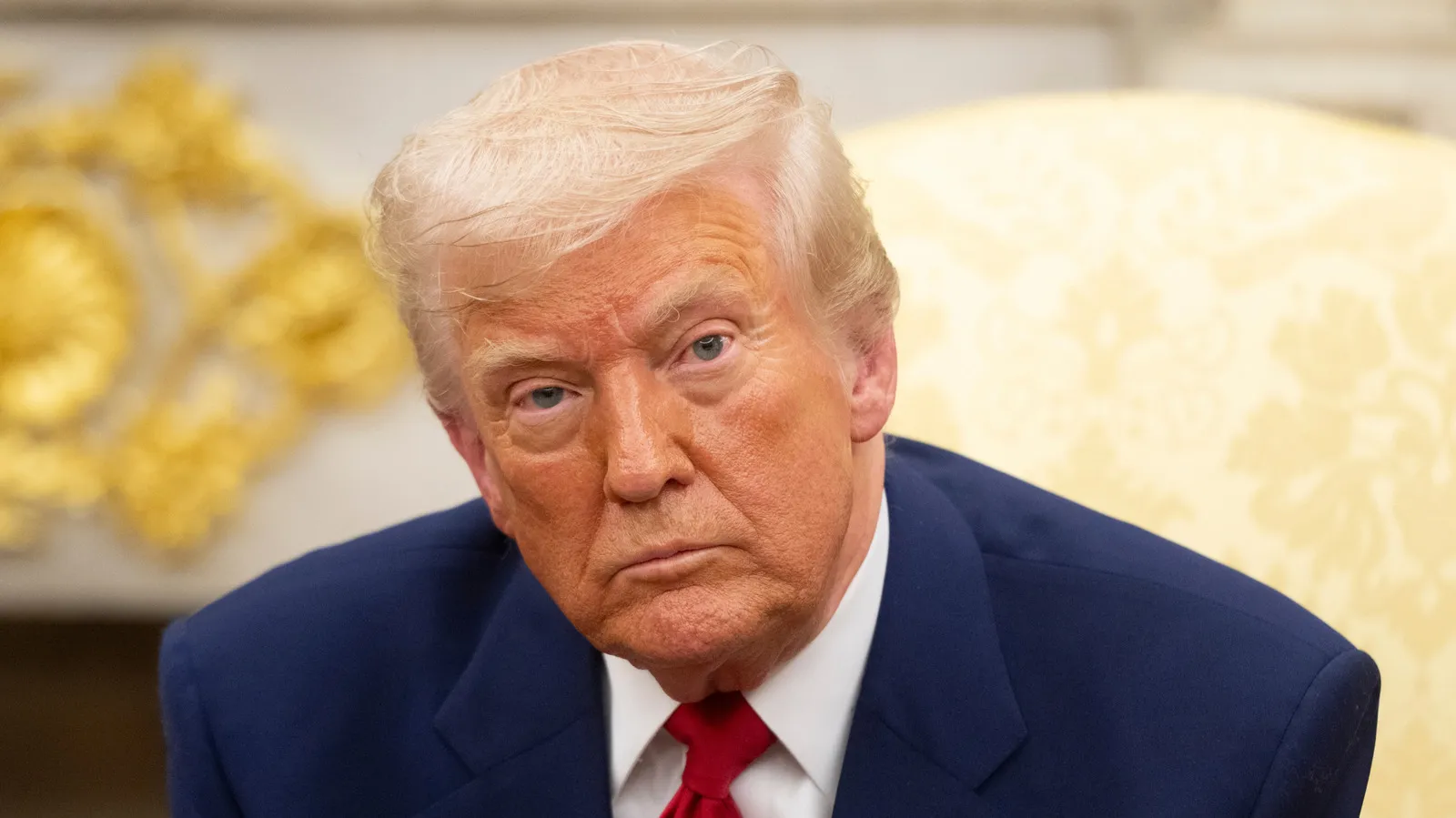
The European Commission found that Google’s search ranking and anti-steering practices violated the Digital Markets Act. The decision is now feeding into a Trump threat of new tariffs aimed at the EU, raising stakes for tech policy and trade.
The European Commission’s ruling against Google just spilled out of EU competition policy and into U.S.-EU trade leverage. The Commission found that Google’s search ranking and anti-steering violated the Digital Markets Act. Now, Trump is threatening the EU with new tariffs in response to that Google fine.
That is a big deal because it links two worlds that usually run on different clocks. Regulators are focused on whether a gatekeeper like Google is complying with the Digital Markets Act, including rules that are supposed to prevent unfair steering and bias in how services get surfaced. Meanwhile, tariff threats are about leverage between governments. When the two collide, companies and boards do not just monitor compliance risk. They also have to watch whether enforcement becomes a bargaining chip.
To understand why this is landing with extra force, it helps to know what the Digital Markets Act (DMA) is designed to do. The DMA targets “gatekeepers,” meaning companies with substantial influence over how users reach core digital services. One of the DMA’s core goals is to reduce unfair advantages created by platform rules. In this case, the European Commission concluded that Google’s search ranking and anti-steering violated those DMA obligations. Search ranking matters because it can determine which services win the click. Anti-steering matters because it governs how gatekeepers direct users and business partners, including attempts to lock in distribution on the gatekeeper’s terms.
The second-order implication is that the DMA enforcement playbook can now become part of trade negotiating posture. If regulators in the EU fine large tech firms, U.S. politics can reframe that as part of a broader dispute, even if the legal reasoning is tightly scoped to DMA compliance. That can accelerate pressure across multiple layers: legal teams still need to address the DMA findings, policy teams still need to track regulatory timelines, and government affairs teams need to model how enforcement outcomes might affect tariffs.
For executives, the operational question is straightforward: are there controllable changes that bring products into compliance? The European Commission’s finding, as reported by Engadget, is specific: Google’s search ranking and anti-steering violated the DMA. That puts the spotlight on ranking systems and on user or partner flows that could be interpreted as “steering” behavior. Even when a company believes it is acting within the letter of the law, the business reality is that compliance is not a one-and-done checkbox. It is a continuous system change, because ranking logic and interface behavior evolve.
For boards and investors, the bigger question is whether compliance risk is becoming less insulated from external shocks. DMA enforcement is already a reputational and financial matter for a gatekeeper. Add tariff threats, and suddenly enforcement outcomes can influence costs, market access, and political goodwill. If tariffs escalate, the downstream impacts are rarely limited to one product line. Trade tensions can affect hardware supply chains, payments, advertising markets, and cross-border digital services indirectly. Even if the initial story is about search ranking and anti-steering, the headline risk becomes something broader: scrutiny plus geopolitics.
And that is why peers should care, even if they are not the named target. Any company that relies on platform distribution, search visibility, app ecosystems, or digital ad auctions is effectively living in the same compliance universe. The DMA is not only a legal regime. It is a signal to the market that regulators will intervene where gatekeepers can shape outcomes. When enforcement also triggers tariffs, it tells executives something uncomfortable: the cost of being a dominant platform might not just be legal compliance. It might also be political exposure.
In practical terms, the stakes for decision-makers are twofold. First, the EU has already made a determination about DMA violations in Google’s search ranking and anti-steering. Second, the U.S. political response, including Trump’s threat of new tariffs in response to the fine, raises the possibility that regulatory actions become negotiating leverage. That combination is a reminder for leadership teams everywhere: regulatory filings can turn into board-level risk inside days, not quarters.
This story's Key Insights and Take-aways are locked.
Create a free account to unlock Executive Actions for one credit.
Register to UnlockAlways free for Executives Club members. Join the Club
More in Technology

Google quietly links your phone number to every Android account on your SIM
Adding a SIM now ties your phone number to all Google accounts - and future accounts inherit it. Here's the security and privacy stakes.

Hijacker AI 'Skynet mode' runs 100,000 attack steps against exposed models
Symantec caught a criminal AI agent that borrows other models, steals data, and mines crypto; the only relief is no confirmed victims yet.

Nvidia's AI-financier shift faces its first big test as neoclouds stumble
A rout in neocloud stocks is forcing investors to weigh Nvidia's hidden exposure as both supplier and lender to the AI buildout.