

Uber's robotaxis: 1,000+ lost items, from dentures to 'Hot Dads' bag
The future of autonomous ride-hailing still needs a lost-and-found department, and the weirdest items reveal a human truth about robotaxis.
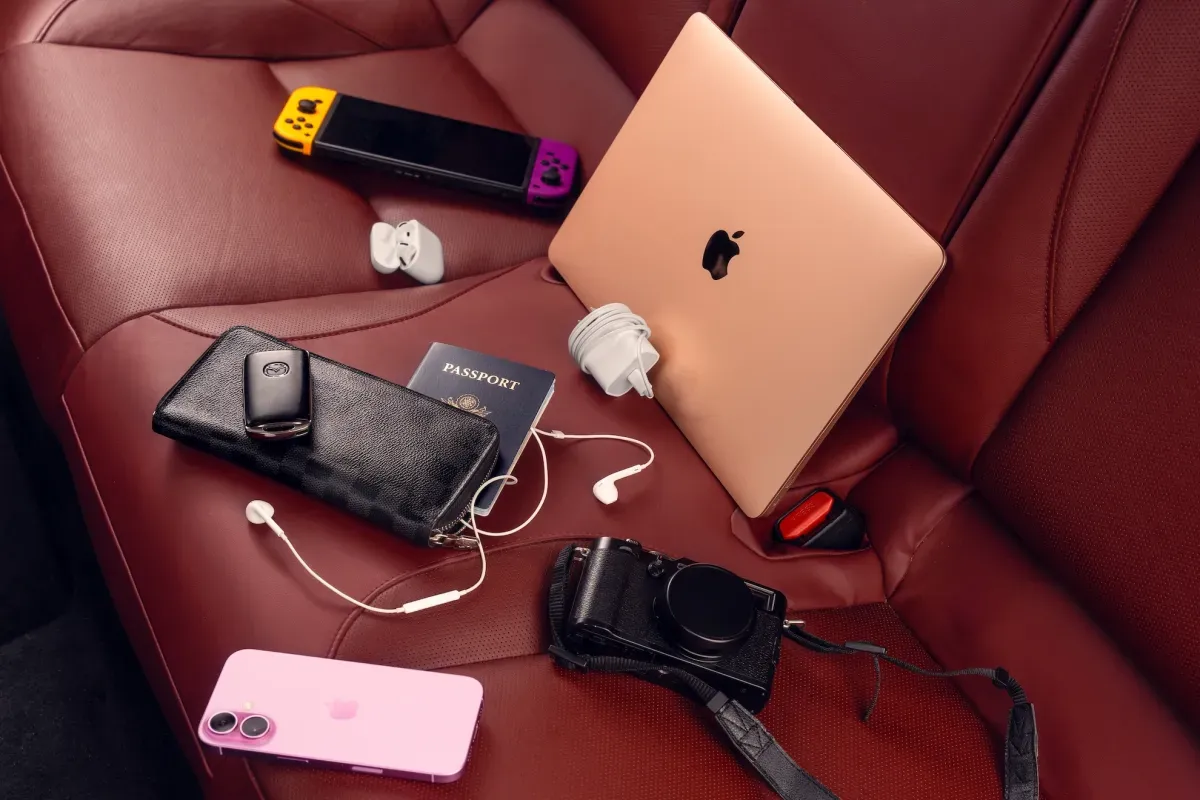
Uber has cataloged thousands of items left behind in its autonomous vehicles, including dentures, a Squishmallow, and an 'I Heart Hot Dads' bag. The data shows that even as robotaxis scale, the mundane and bizarre realities of passenger behavior persist, creating operational challenges for autonomous fleet operators.
Uber's robotaxis are quietly amassing a lost-and-found that reads like a garage sale from another dimension. Since launching autonomous rides in select cities, the company has logged over 1,000 items left behind in its self-driving fleet. The haul includes dentures, a Squishmallow plush, and an 'I Heart Hot Dads' tote bag. Yes, someone actually left their false teeth in a car with no driver. The list, shared by Uber in a recent blog post, is a reminder that the future of transportation still involves the same human chaos as the present. Passengers forget things. They always have. And robotaxis, for all their sensors and algorithms, are not immune to the lost phone, the abandoned scarf, or the inexplicable prosthetic. The data is a small but telling window into the operational reality of autonomous fleets. Uber's autonomous vehicle unit, which partners with companies like Waymo and Motional, has been scaling robotaxi services in cities like Phoenix, San Francisco, and Las Vegas. But scaling means more rides, and more rides mean more stuff left behind. The company has a dedicated team to handle lost items, a role that is surprisingly labor-intensive even in a driverless world. Riders can report missing items through the app, and Uber coordinates retrieval. But the process is not automated. Someone has to check the car, log the item, and contact the passenger. For a fleet of thousands of vehicles, that is a real cost. The items themselves are a mix of the mundane and the bizarre. Phones, wallets, and keys top the list. But then there are the outliers: a bag of dentures, a Squishmallow (a popular plush toy), and a tote bag with a cheeky slogan. The 'I Heart Hot Dads' bag is a particular highlight, suggesting that someone's dad joke collection is now incomplete. The dentures, meanwhile, raise questions about the passenger's evening. Was it a night out? A dental emergency? The source does not say. But the image is indelible. For Uber, the lost-and-found data is also a signal of trust. Passengers are comfortable enough to leave things behind, which means they are treating robotaxis like regular cars. That is a good sign for adoption. But it also means the company must invest in systems to handle the aftermath. Autonomous vehicle operators are already grappling with regulatory hurdles, safety concerns, and public skepticism. Lost items are a small problem, but they are a persistent one. And they highlight a gap in the autonomous experience: there is no driver to notice the phone on the seat. The passenger is solely responsible. That is a shift from traditional ride-hailing, where drivers often catch forgotten items before the door closes. In a robotaxi, the car does not care. It just drives away. The broader implication is that autonomous fleets need to design for human forgetfulness. That could mean interior cameras that scan for left items, or automated alerts when a passenger exits. Some companies are already experimenting with such features. But for now, Uber is relying on old-fashioned human effort. The lost-and-found team is a reminder that even in a high-tech future, some jobs remain stubbornly analog. For investors and operators, the takeaway is clear: scaling autonomy is not just about the tech. It is about the operational plumbing. Lost items are a small but visible part of that plumbing. And if dentures are any indication, the future will be weird, messy, and very human.
This story's Key Insights and Take-aways are locked.
Create a free account to unlock Executive Actions for one credit.
Register to UnlockAlways free for Executives Club members. Join the Club
More in Technology

OpenAI says 10,000 agents cracked a 90-year math problem in 88 hours
The company's claim is audacious, but one mathematician is pushing back. Here's what it means for AI-driven discovery.

Meta still serves child sexual abuse ads on Instagram in India - BBC report
A new report following the BBC Eye investigation says the ads are still there - what it signals for every platform with a self-serve ad engine.

White House yanks 'Build the Wall' game after Tetris Company copyright warning
The administration's arcade game vanished in hours - and the takedown playbook every brand can learn from.