
Uber tightens grip on Careem with $100M stake buy from e&
Uber's $100 million purchase of a 12.5% stake from e& brings Careem back under closer control, reshaping the super app's ownership and strategic direction.
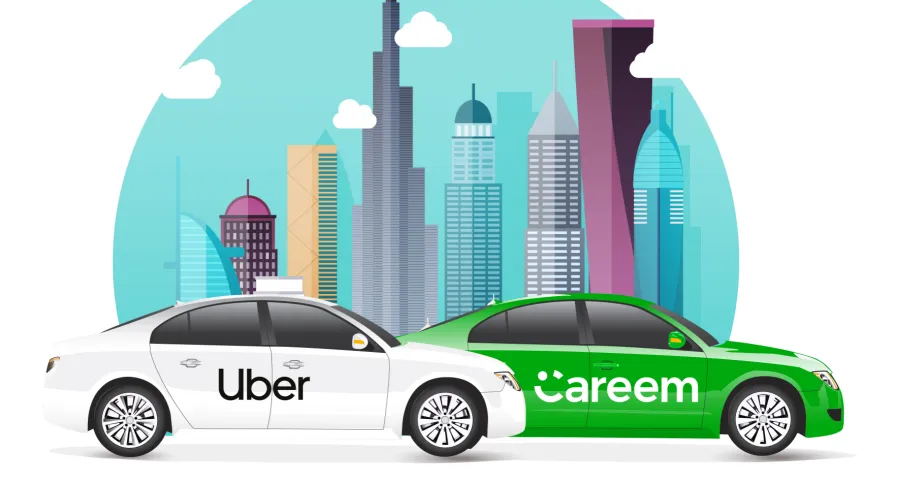
Uber agreed to acquire a 12.5% stake in Careem Technologies from e& for $100 million, reducing e&'s holding to 37.53% and strengthening Uber's ownership. This move signals a strategic realignment for Careem, potentially impacting its regional expansion and competitive positioning in the Middle East's super app market.
Uber is pulling Careem back into its orbit. The ride-hailing giant agreed to acquire a 12.5% stake in Careem Technologies from e& for $100 million in cash, a deal that reshuffles the ownership deck for one of the Middle East's most prominent tech platforms. Under the agreement, e& will see its shareholding drop from 50.03% to 37.53%, while Uber strengthens its position in the company. The transaction, announced on June 2, 2026, remains subject to regulatory approvals and customary closing conditions, but the strategic signal is already clear: Uber wants closer ties with the super app it originally acquired for $3.1 billion in 2020.
This is not a full reunion, but it is a meaningful step. When e& bought a majority stake in Careem's super app business in 2023 for $400 million, Uber retained ownership of Careem's ride-hailing operations while remaining a significant shareholder in the broader platform. That structure created a complicated dance between two powerful investors. Now, Uber is buying back some of that ground. Careem co-founder and CEO Mudassir Sheikha framed the move as bringing Careem and Uber into "a closer, deeply familiar alignment" while keeping e& as a strategic shareholder and long-term partner. For decision-makers watching the Middle East's tech landscape, this is a reminder that ownership structures in high-growth platforms are rarely static.
Careem was founded in Dubai in 2012 and has evolved from a ride-hailing startup into a regional super app offering transportation, food delivery, grocery delivery, digital payments, and other consumer services across multiple markets. Its $3.1 billion acquisition by Uber in 2020 was widely considered one of the largest technology exits in the Middle East, a landmark moment that validated the region's startup ecosystem. But the subsequent sale of a majority stake to e& in 2023 introduced a new dynamic: a telecom giant with deep pockets and a different strategic calculus. Now, Uber's renewed investment suggests it sees value in tightening its grip on Careem's broader platform, not just its ride-hailing arm.
The deal comes as Uber continues expanding its presence across the Middle East and broader EMEA markets. For Uber, owning a larger piece of Careem's super app means more control over a platform that competes with local players like Talabat and Noon, as well as global giants like Amazon in delivery and payments. For e&, the partial exit frees up capital while retaining a significant stake, allowing the telecom to redeploy resources into other ventures. The $100 million price tag for a 12.5% stake values Careem Technologies at roughly $800 million, a figure that reflects both the platform's scale and the competitive pressures in the region's crowded super app market.
For executives and investors tracking the Middle East's tech scene, this deal underscores a broader trend: the region's most valuable platforms are increasingly becoming battlegrounds for global and regional players. Uber's move signals confidence in Careem's trajectory, but it also raises questions about strategic alignment. Will Uber push for deeper integration between Careem's services and its own global network? Or will it allow Careem to maintain its independent brand and operational autonomy? Sheikha's comment about "closer, deeply familiar alignment" suggests the former, but the devil will be in the details of governance and product roadmaps.
Regulatory approval is the next hurdle. The deal must pass muster with competition authorities in markets where Careem operates, including the UAE, Saudi Arabia, Egypt, and others. Given Uber's dominant position in ride-hailing and Careem's footprint, regulators may scrutinize the deal for potential anti-competitive effects. However, the transaction is structured as a minority stake purchase, not a full acquisition, which may ease concerns. For boards and CEOs in the region, this deal is a case study in how to manage multi-investor dynamics while keeping a platform's growth story intact.
The broader implication is that the super app model in the Middle East is entering a new phase of consolidation. With Uber and e& both holding significant stakes, Careem has two powerful backers with different strategic priorities. Uber wants global scale and integration; e& wants regional dominance and diversification. Balancing those interests will be Sheikha's biggest challenge. For now, the deal gives Careem more financial flexibility and a clearer ownership structure, but it also ties the company more closely to Uber's global strategy. That could be a double-edged sword: access to Uber's resources and technology versus potential constraints on local innovation.
For peers in similar roles, the takeaway is clear: ownership structures are not set in stone. Founders and CEOs of high-growth platforms should anticipate that strategic investors may shift their positions as market conditions evolve. Having a clear governance framework and aligned incentives from the start can prevent friction down the road. Careem's journey from startup to acquisition to multi-investor platform to renewed Uber alignment is a masterclass in navigating complexity, but it also highlights the importance of maintaining strategic focus amid shifting ownership.
Ultimately, this deal is a bet on Careem's future as a regional super app leader. With Uber's backing and e&'s continued support, Careem has the resources to compete aggressively in transportation, delivery, and payments. But the real test will be execution: can Careem fend off local rivals and global entrants while managing the expectations of two powerful shareholders? For now, the answer is a cautious yes, but the next chapter of this story will be written in the markets, not in the boardroom.
This story's Key Insights and Take-aways are locked.
Create a free account to unlock Executive Actions for one credit.
Register to UnlockAlways free for Executives Club members. Join the Club
More in Business

Anthropic’s Levant Alpöge cracks the Jacobian conjecture after 87 years
A Harvard valedictorian used Claude to hit a 1939 breakthrough, but the missing “why” is the real problem.

Uber buys Delivery Hero for nearly $15B, vaulting to top food delivery outside China
The deal doubles Uber's dual-services footprint and pushes a ride-and-eats bundling play into 50 more markets.

Epic and Google drop settlement bid, forcing rival Android app stores by July 22
Google told the court it is ready to carry third-party app stores starting Wednesday, July 22.