
UK car sales jump 7% as BYD and Chery muscle into the market
May registrations hit 160,662, the strongest since before Covid, while Chinese EV brands and battery electrics kept the momentum moving.
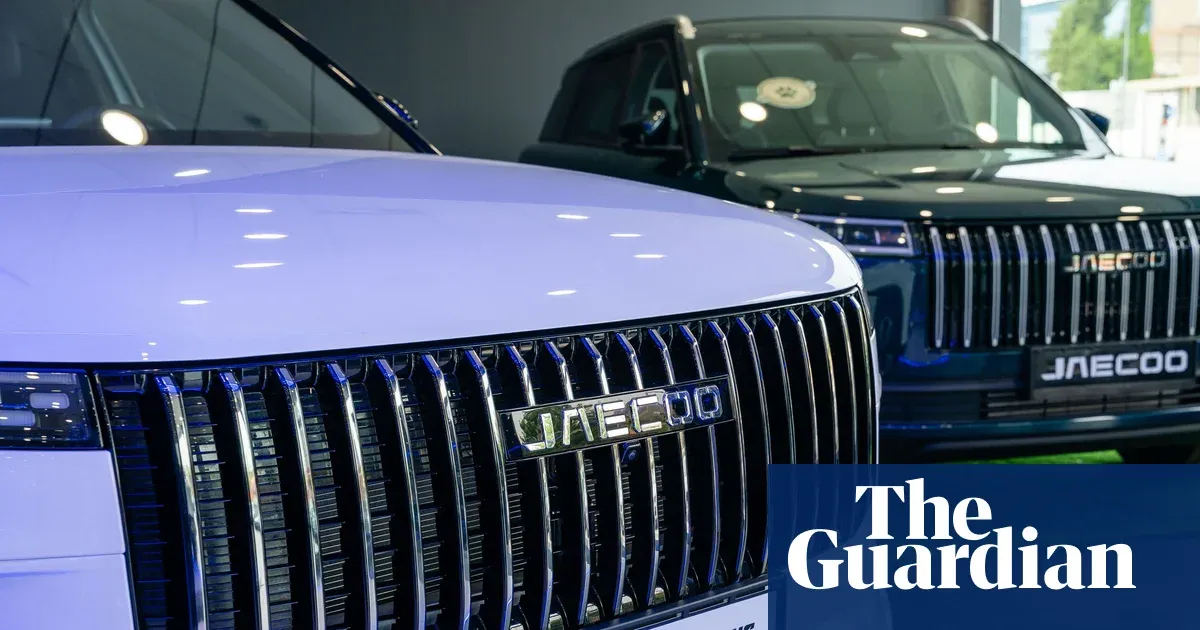
UK car registrations rose 7% in May to 160,662, their strongest May since before the Covid pandemic, with battery electric vehicles leading growth and Chinese makers BYD and Chery gaining ground. For executives, the read-through is simple: demand is recovering, but the competitive center of gravity in EVs is shifting fast.
UK car sales just posted a clean, consequential beat. Registrations rose 7% in May to 160,662, which makes it the strongest May for the British market since before the Covid pandemic. That is not a tiny statistical wobble. It is a signal that demand is still rebuilding, and that the market is doing so with a very different mix of winners than it had five years ago.
The sharpest growth came from battery electric vehicles, while Tesla also jumped 45% in the month. But the more strategically interesting part of the story is who is gaining ground behind the headline numbers: the Chinese manufacturers BYD and Chery. According to the Society of Motor Manufacturers and Traders, the lobby group that published the figures, those brands helped drive the rise in registrations. In plain English, the UK EV race is no longer just about legacy automakers trying to catch up to Tesla. It is now also about Chinese brands pushing into one of Europe’s most competitive car markets and forcing everyone else to react.
That matters because car sales are not just about how many people bought a vehicle in a given month. They are a read on consumer confidence, financing conditions, dealership traffic, and how quickly buyers are shifting from petrol and diesel into battery electric vehicles. May's numbers suggest that appetite is still there, even after years of pandemic disruption, supply chain mess, and a broader cost-of-living squeeze that has made households more selective about big-ticket purchases. For manufacturers, that means the fight is less about whether the UK EV market exists and more about who gets to own it. For investors, it is another reminder that market share in electric vehicles can move faster than brand heritage.
The rise of BYD and Chery is especially notable because Chinese automakers have become a central force in the global EV industry. The source does not break out their individual volumes, so it would be wrong to overstate exactly how much of May's increase they accounted for. But their presence in the mix is enough to tell a story seasoned executives will recognize immediately: low-cost, high-volume competitors do not need to dominate a market to change pricing, product strategy, and channel behavior. Once they start gaining ground, incumbents often have to answer with sharper pricing, more aggressive leasing offers, or faster product refreshes. That can protect volume, but it can also squeeze margins.
Tesla's 45% jump adds another wrinkle. Tesla remains one of the most closely watched EV brands in Britain, and a monthly increase like that can ripple across the market psychologically as much as commercially. When the category leader grows that quickly, it can validate demand for battery electrics more broadly, while also raising the bar for everyone else trying to sell a similar promise of range, charging convenience, and software-driven differentiation. At the same time, Tesla's gains do not erase the broader competitive shift. If anything, they reinforce that the EV field is getting denser, not simpler. More brands are chasing the same buyer, and more of those brands are trying to do it with sharper economics.
For the UK market, the broader policy backdrop still matters even though it is not the main subject of the figures. Carmakers have spent years navigating the transition to electrification, while regulators and governments have tried to nudge the market toward cleaner vehicles through emissions targets and incentives. In that setting, a month like May can look encouraging for the industry because it suggests battery electric adoption is still advancing. But it also reveals how much of the next phase will depend on execution, not just regulation. The brands that win are likely to be the ones that can combine accessible pricing, credible charging access, and a product line broad enough to catch both early adopters and more cautious mainstream buyers.
The takeaway for boardrooms is that the UK remains a market worth fighting for, but not on old assumptions. The strongest May since before the pandemic says volumes can recover. The faster EV growth says the transition is still on. And the rise of BYD, Chery, and a surging Tesla says the competitive order is moving. For executives at legacy manufacturers, that means the pressure is on to defend share without destroying pricing power. For EV startups and newer entrants, it is a reminder that demand is real, but so is the fight for attention, dealer support, and customer trust. In other words: the market is growing, but it is not getting any easier to make money in it.
This story's Key Insights and Take-aways are locked.
Create a free account to unlock Executive Actions for one credit.
Register to UnlockAlways free for Executives Club members. Join the Club
More in Business

Anthropic’s Levant Alpöge cracks the Jacobian conjecture after 87 years
A Harvard valedictorian used Claude to hit a 1939 breakthrough, but the missing “why” is the real problem.

Uber buys Delivery Hero for nearly $15B, vaulting to top food delivery outside China
The deal doubles Uber's dual-services footprint and pushes a ride-and-eats bundling play into 50 more markets.

Epic and Google drop settlement bid, forcing rival Android app stores by July 22
Google told the court it is ready to carry third-party app stores starting Wednesday, July 22.