
Universal allegedly left a $6,000 repair invoice unpaid for The Odyssey’s Viking ship
The owner says the Glad av Gillberga was damaged on set and an invoice for materials never got paid, despite repairs.
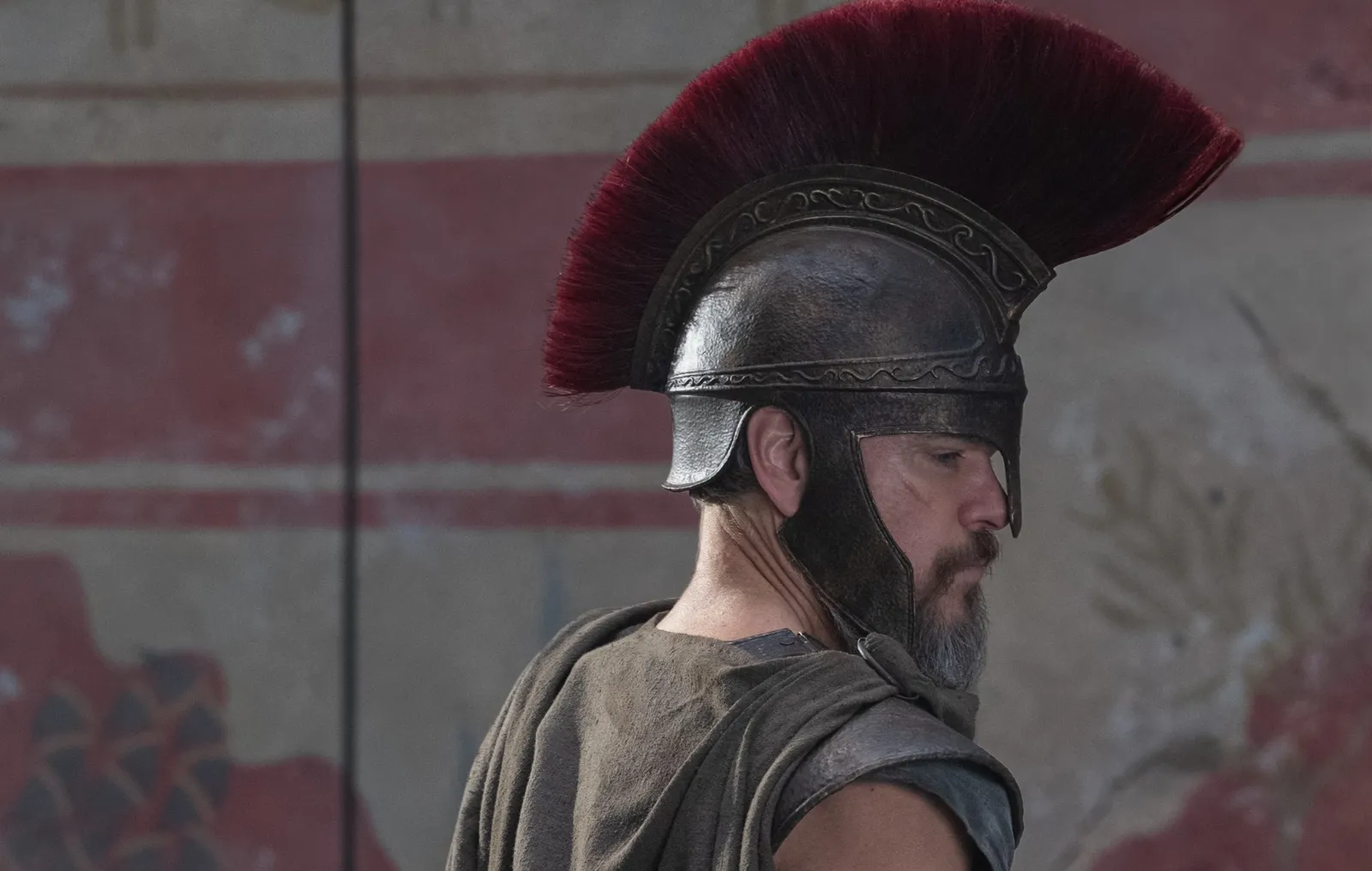
A Swedish non-profit called Vikingaleden, owner of the replica Viking ship Glad av Gillberga used in Christopher Nolan’s The Odyssey, says Universal hasn’t reimbursed a $6,000 (£4,500) repair materials invoice. Universal counters that its records show all invoices were paid and production contacted the association to fix any misunderstanding.
A replica Viking ship used for Christopher Nolan’s The Odyssey is back on the water, but the repair bill story is not. Vikingaleden, the Swedish non-profit that owns the vessel, claims it has not been reimbursed for $6,000 (£4,500) in materials tied to repairs after filming damage.
Peter Olausson, chair of the Vikingaleden association, says the Hollywood studio Universal did not reply to the invoice for those material costs and argues the studio can afford it. He tells The Guardian that “We are only charging for the material cost, not the labour. Of course Universal can afford this $6,000. We feel forgotten.” That is the core dispute: not whether the ship got fixed, but whether the agreement Universal and the production made included payment for the materials, and whether Universal followed through.
This kind of fight is more common than audiences think, because film production damage-and-repair deals sit in a gray zone between contracts, operational necessity, and reputational risk. The ship, Glad av Gillberga, was featured in The Odyssey, which had the largest opening weekend of the year for a live-action film, and the movie also landed with almost-universal acclaim. Rotten Tomatoes scores cited in the source show 94 per cent from critics and 97 per cent from audiences. For Vikingaleden, the irony is sharp: the project is being celebrated, while a small owner association is arguing it is getting ignored on a bill that it says was part of the bargain.
Olausson’s position, as laid out in the source, is that Universal and the production did not keep to their end. He says the agreement was that Vikingaleden would repair the damage and “get financially reimbursed.” He also frames the invoice as materials-only, not labour, which is a subtle but important detail for decision-makers. It suggests an attempt to keep the reimbursement request narrow and defensible, limiting it to direct costs rather than a broader claim that could spiral into litigation. In other words, Vikingaleden is portraying itself as reasonable and Universal as the party stuck on paperwork or payment.
Universal’s response, via a spokesperson quoted in the source, is the opposite. The spokesperson says that “Our records show that all invoices relating to the Glad av Gillberga were paid in full, including repairs,” and adds that “The studio and the production have contacted the association to clear up any misunderstanding.” That creates two competing realities that often appear in payment disputes: one side sees silence after an invoice, the other sees completion after internal processing. In practice, this can come down to timing, the correct entity being invoiced, or a dispute about what qualifies as “materials” versus other repair components.
Zoom out and you get the broader executive lesson. When a production uses a third-party asset, especially a specialized, historical, or privately owned prop or vessel, the owner is often nonprofit or small. That means the owner has less tolerance for long payment cycles, fewer accounts payable staff, and less leverage when invoices go missing. Meanwhile, studios run through established finance workflows and will often assert that their systems show payment completed. If the systems say “paid” but the recipient says “unpaid,” the dispute can become reputational even without a lawsuit. Both sides in this story are effectively managing narrative: Vikingaleden is emphasizing being “forgotten,” and Universal is emphasizing records and communication.
For boards and finance leaders, the second-order risk is not just the $6,000. It is the precedent and the relationship bank. If owners conclude that studios repair assets but do not reliably reimburse, future productions face friction: requests for deposits, stricter contract terms, escrow arrangements, or higher risk premiums to cover delayed reimbursement. Those changes raise production friction and cost, even when the studio’s internal processes are technically correct. In a world where streaming, premium theatrical releases, and global shoots all compete for scarce production assets and local cooperation, payment certainty becomes part of the operational license to create.
And there is a reputational overlay. The Odyssey has been praised with 94 per cent critic and 97 per cent audience Rotten Tomatoes scores, and the source also notes director Christopher Nolan’s comments that the film’s horror elements gave him an appetite for an all-out horror movie later. There is also extra fan attention around the cast, including Travis Scott, who appears in the film as a bard and reportedly turned up at 5am to shadow Nolan and study cameras. All of that publicity boosts the spotlight on the production. When a dispute about an on-set asset’s repair emerges in the same news cycle, it can feel like bad timing even if the dispute is about invoices, not artistic choices.
So what matters for executives in similar roles is the operational takeaway wrapped in this specific story: get reimbursable items defined tightly, track invoice status end-to-end, ensure the right recipient and cost category are used, and document agreement details in a way that survives “records show paid” versus “no reply received.” Whether this ends as a misunderstanding or becomes a more formal dispute, the message for producers, studios, and even investors is consistent: the fastest way to lose goodwill is to let a small payment problem become a public story about whether someone feels forgotten.
This story's Key Insights and Take-aways are locked.
Create a free account to unlock Executive Actions for one credit.
Register to UnlockAlways free for Executives Club members. Join the Club
More in Entertainment

Ali G's 'stooge' says he was in on joke, outplayed Sacha Baron Cohen
A 54-year-old aspiring actor says he recognized Sacha Baron Cohen mid-shoot, kept his MAGA act up, and let the film-makers think they had fooled him.

Entertainer Russell Brand denies 7 sex charges amid accuser's 'couldn't breathe' claim
The alleged victim's account sharpens the reputational and legal stakes for Brand, his platforms, and any business tied to a public figure under criminal scrutiny.

Russell Brand's accuser 'bewildered and confused' as he denies 7 sex charges
The criminal case against the comedian is a live test of how media companies manage talent risk when serious allegations go public.