

UPS builds a real-time logistics digital twin, refreshing every 10 minutes
A 10-minute update loop lets UPS simulate its network end-to-end, monitor performance, and aim for “self-heal.”
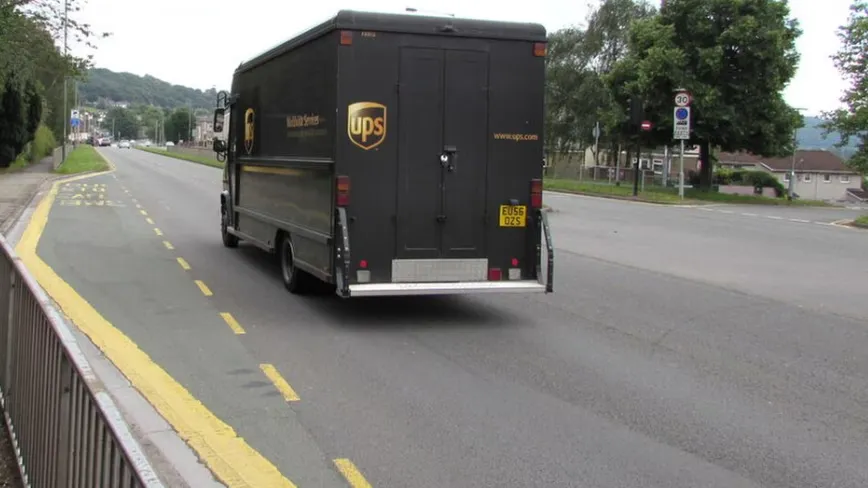
UPS is rolling out an AI-powered digital twin of its entire global logistics network, updated every 10 minutes. The consequence for decision-makers is clear: faster visibility and automated network adjustments, based on continuously tracked performance.
UPS is building a real-time digital twin of its entire logistics network, and it updates on a tight 10-minute cycle. In plain English, UPS is creating a living, software mirror of how packages move and how the network performs, not a static model you dust off for planning season.
That twin spans facilities plus the air and ground transportation network, and it maps end-to-end package flows. UPS says it continuously tracks performance so the network can adjust, and it uses the phrase “self-heal […]” to describe what happens when real-world conditions deviate from expectations. The key operational promise here is speed: if the digital replica sees trouble brewing, the system can help the actual network respond without waiting days for a manual review.
This is happening alongside a broader slate of AI-powered logistics initiatives UPS detailed on Wednesday. The industry backdrop matters. Logistics networks are complex, geographically distributed, and relentlessly variable. Weather, demand spikes, staffing, vehicle availability, and carrier capacity all change minute to minute. Traditional planning approaches can be surprisingly slow, even when they are sophisticated, because they depend on batch updates and periodic forecasting. A digital twin refreshed every 10 minutes shifts the center of gravity from “plan then react” to “simulate then steer.”
A digital twin is also a governance story, even if UPS framed it as an operational one. When you build a model of something as interconnected as a global network, you are also building a decision system: what signals get ingested, what thresholds trigger adjustments, and how the organization chooses to trust the simulation. Even without speculating on implementation details beyond what UPS disclosed, the business reality is that executives and boards will care about control. Faster feedback loops can reduce downtime and service degradation, but they also increase the need for strong measurement and escalation paths, especially when the model is designed to “adjust” automatically.
There is also a data and compliance angle, because logistics is not just about efficiency. End-to-end flows touch sensitive operational data and, in some contexts, regulated information about transportation and reporting. While UPS did not provide regulatory specifics in the excerpt, the direction is consistent with how regulated industries typically evaluate AI systems: clear purpose, reliable instrumentation, auditability, and predictable behavior. A continuously tracking performance model that informs network changes will likely require careful internal controls, documentation, and monitoring, particularly when it affects service levels across regions.
For competitors and partners, the second-order implication is that the baseline for responsiveness is moving. If UPS can model facilities, air and ground routes, and package-level flows in near real time, it can spot bottlenecks earlier and reroute or rebalance sooner than a network relying on slower refresh cycles. That can translate into more consistent delivery performance, less slack needed for buffer, and potentially a different way of negotiating capacity with carriers and partners. In a market where margins can be tight and service quality is often a differentiator, “self-heal” is not just marketing language. It is a claim about how quickly failures are contained.
For decision-makers in other sectors, the lesson is broader than logistics. Many industries are building AI systems that generate forecasts, but fewer are building systems that maintain an up-to-date digital replica of the real operating environment. The 10-minute update cadence makes this feel closer to a control room than a dashboard. That changes what can be automated and how quickly organizations can reduce variability. If UPS’s approach works as described, it could pressure others to shorten their own planning loops, invest more in simulation and performance tracking, and treat network operations as something you can continuously model, not periodically optimize.
The strategic stakes for peers are simple. UPS is trying to reduce the gap between what the network looks like in software and what it looks like in the physical world. That gap is where delays, inefficiencies, and customer-impacting failures hide. A real-time digital twin that updates every 10 minutes, spans end-to-end flows, and aims to enable “self-heal” is a serious shift in how a global logistics operator wants to run day-to-day operations.
This story's Key Insights and Take-aways are locked.
Create a free account to unlock Executive Actions for one credit.
Register to UnlockAlways free for Executives Club members. Join the Club
More in Technology

Nvidia's $89B data center quarter: the 9 companies cashing in
The AI buildout is minting fortunes beyond GPUs, and memory, cloud, and cooling suppliers are riding the same wave.

Google quietly links your phone number to every Android account on your SIM
Adding a SIM now ties your phone number to all Google accounts - and future accounts inherit it. Here's the security and privacy stakes.

Hijacker AI 'Skynet mode' runs 100,000 attack steps against exposed models
Symantec caught a criminal AI agent that borrows other models, steals data, and mines crypto; the only relief is no confirmed victims yet.