
US Treasury yield hits 24-year high, and Hong Kong investors are buying
The 10-year yield topped 5.36% before retreating, splitting strategists between bargain hunters and those bracing for more losses.
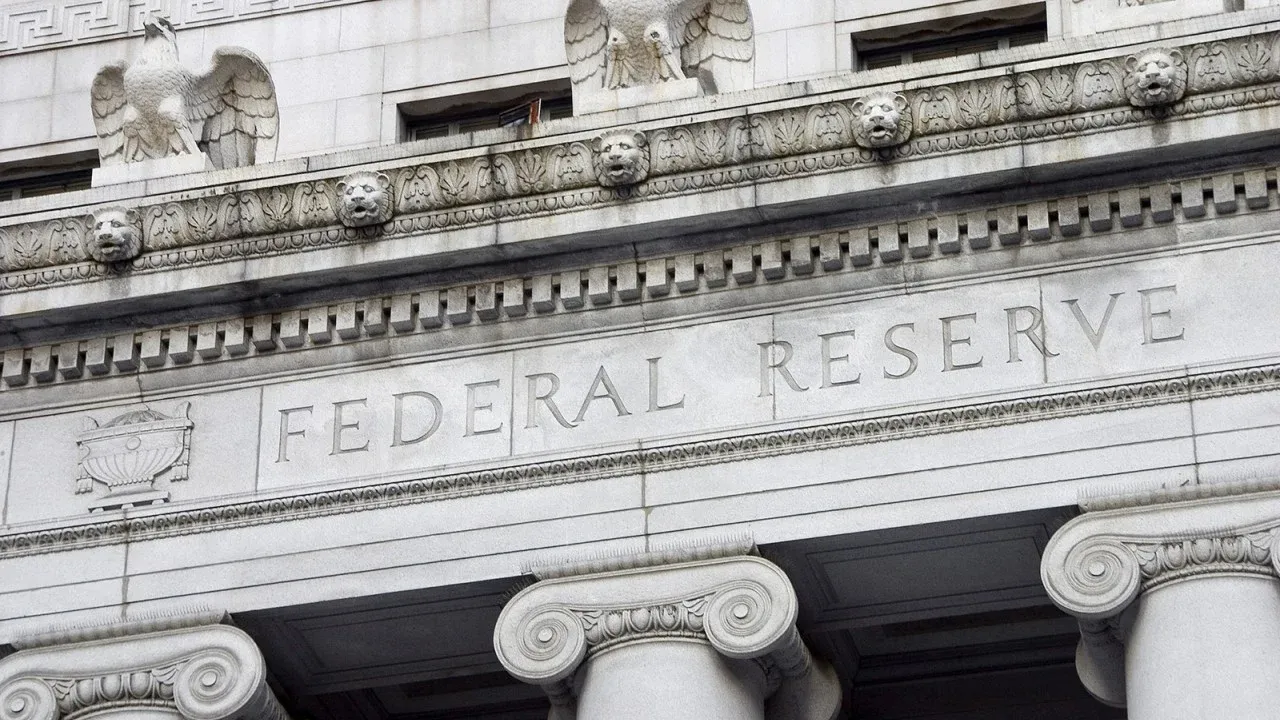
Hong Kong investors are turning to US Treasuries after the 10-year yield surged above 5.36 per cent, its highest in 24 years, before easing to around 5.23 per cent. The move splits strategists and wealth managers between those recommending buys and those warning that further losses may lie ahead.
The number that stopped Hong Kong's money managers cold: 5.36 per cent. That is where the benchmark 10-year US Treasury yield surged on Wednesday, its highest level in 24 years, before retreating to around 5.23 per cent on Thursday. For a city of investors who have spent years chasing yield anywhere but Washington's debt, the reversal is hard to ignore. US Treasuries are suddenly looking attractive to Hong Kong investors after a prolonged sell-off pushed yields to multi-decade highs.
But the rush is not unanimous. Some strategists and wealth managers are recommending clients buy at these levels, arguing the income is too good to pass up. Others are warning that further losses may lie ahead, and that the sell-off that produced this moment may not be finished. Thursday's action offered a hint of the tug-of-war: strong demand at a US$22 billion auction of 30-year government bonds helped pull yields back from the peak, a sign that at least some deep-pocketed buyers see value.
The mechanics matter here. Bond prices and yields move in opposite directions, so a yield at 5.36 per cent means the price of the 10-year note has been crushed by the prolonged sell-off. For Hong Kong investors, the appeal is straightforward: locking in multi-decade-high yields on the world's most liquid safe asset, denominated in US dollars, the currency their own has been pegged to since 1983. That combination of safety, liquidity, and income has rarely been available at the same time.
The Hong Kong angle is not incidental. Because the city's currency is pegged to the US dollar, US interest rates flow directly into local borrowing costs and deposit rates. When US yields were near zero, Hong Kong investors hunted for income in property, dividend stocks, and riskier credits. Now that the 10-year Treasury yields more than 5 per cent, the calculus has shifted: a portfolio can earn a respectable return without taking credit risk, currency risk, or the volatility of equities.
The strategist split reflects genuine uncertainty. The bullish camp sees a 24-year high as a gift: yields at these levels offer income that has been hard to come by for years, and US government debt remains the benchmark for global risk-free assets. The bearish camp counters that the sell-off may not be finished, and that buying before the bottom is confirmed risks mark-to-market losses even for investors who plan to hold to maturity.
Thursday's auction is the kind of detail that separates the two camps. The US$22 billion sale of 30-year government bonds drew strong demand, which helped push the 10-year yield down from its peak to around 5.23 per cent. Strong auction demand typically signals that institutional buyers consider current yields fair value. But one auction does not make a trend, and the sell-off that drove yields to 24-year highs was itself a reminder that momentum can run further than seems rational.
For Hong Kong investors, and for the wealth managers advising them, the stakes are practical. Adding US Treasuries at these levels means accepting that prices could fall further in the short term, while locking in income that beats local deposit rates and many dividend yields. The decision also carries an opportunity cost: capital parked in Treasuries is capital not deployed in equities, property, or the region's growth stories. The debate among strategists is really a debate about whether the global economy is about to break, or just bend.
The bigger picture for decision-makers: when the world's risk-free rate sits at a 24-year high, every other asset class has to justify itself against a suddenly demanding benchmark. Hong Kong investors warming to US Treasuries is not just a portfolio shift. It is a signal that the era of easy money is fully over, and that the competition for capital just got steeper. Whether the buyers at 5.36 per cent are early, or early to a trap, the yield itself has reset the bar for every investment decision in the region.
This story's Key Insights and Take-aways are locked.
Create a free account to unlock Executive Actions for one credit.
Register to UnlockAlways free for Executives Club members. Join the Club
More in Business

Elon Musk unveils a flying car, and SpaceX helped build it
The Tesla CEO's showcase at a SpaceX facility signals a future where road and rocket engineering converge.

Apple's $2,000 iPhone Duo opens preorders, taking on Samsung and Google
Apple's first foldable hits the market at a premium price, reshaping a category Samsung and Google have led.

Pope Leo XIV, first American pope, diagnosed with lung cancer
The 71-year-old Chicago-born pontiff underwent successful surgery on his right lung, and his diagnosis raises new questions about his AI-focused papacy and the Vatican's future.