

Victor Willis dies at 74, leaving “Y.M.C.A.” and “Macho Man” behind the copyright fight
The Village People frontman and “YMCA” cowriter passed after a short but aggressive illness, at the center of long-running ownership battles.
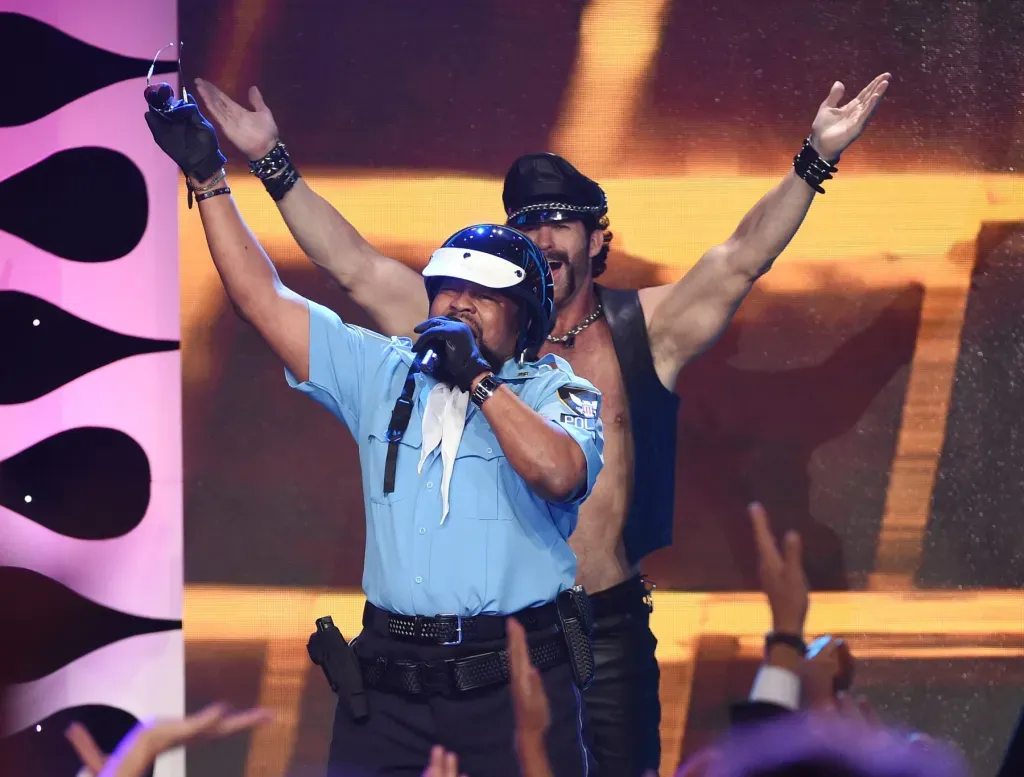
Victor Willis, longtime lead singer and frontman of the Village People, died Tuesday June 30, 2026 at age 74 after a short but aggressive illness. For music rights holders and operators, his life story is a reminder that catalog control, not just fame, is where the long tail lives.
Victor Willis, longtime lead singer and frontman of the Village People and cowriter of classics including “Y.M.C.A.” and “Macho Man,” has died at 74. His death was announced in a post on the Village People’s Facebook page: Willis “passed on Tuesday June 30, 2026 of a short but aggressive illness,” with a request for privacy. His wife, Karen-Huff Willis, posted a similar message on his Facebook page. At press time, Billboard reported no additional information on the cause of death.
For anyone who has ever been dragged to a sporting event, wedding, or office party that needed a single shared button to press, Willis’ fingerprints are everywhere. “Y.M.C.A.” hit No. 2 on the Billboard Hot 100 in early 1979, and it remains one of the most instantly recognizable pop choruses ever recorded. Willis also cowrote “Macho Man,” which peaked at No. 25 on the Billboard Hot 100 in 1978, turning the Village People into something more durable than a disco-era flash. His passing matters not only because of what he sang, but because of how much power came with owning the right parts of the hit machinery later on.
Willis was born July 1, 1951 in Dallas, Texas, and grew up in San Francisco’s Haight-Ashbury district, singing gospel in his Baptist minister father’s church before pivoting to soul music. He studied at Antioch College, using acting and dance training to move into musicals after relocating to New York, where he joined the Negro Ensemble Company and appeared in the original Broadway production of The Wiz in 1976. The Village People origin story begins in 1977 with French music producer Jacques Morali and Henri Belolo’s Can't Stop Productions placing a call for background singers, with arranger/conductor Horace Ott suggesting Willis as a frontman for a new kind of group they were assembling.
The early business logic was blunt and effective: the producers recruited Willis and others around an easy-to-market gimmick, with job-related costumes for each man. The marketing copy even leaned into the vibe: a recruitment ad read “macho types wanted: must dance and have a mustache.” Willis’ initial frontman role connected him directly to the act’s breakthrough. The 1977 self-titled debut included tracks recorded by Willis, bundled into the group’s first public wave. The producers quickly built a live presence, including an appearance with Willis on American Bandstand. After the original lineup made a splash, the group’s signature theatrics became the differentiator that helped their music travel beyond radio.
The music then did what the costumes started. “Macho Man,” cowritten by Willis, emerged from their 1978 album of the same name. “Y.M.C.A.” followed, cowritten by Willis, becoming a massive hit and, over time, a cultural object that outlived disco itself. The hand jive motions became a default party ritual. Billboard also noted the song’s presence in modern political life: it has been one of President Donald Trump’s favorite songs, which he frequently gyrates to during public appearances. Willis, who was straight, steadfastly denied writing “Y.M.C.A.” as a “gay anthem,” despite the double-entendre lyrics. In 2024, he explained that he requested Trump not stop playing “Y.M.C.A.” during rallies and official events during his 2024 presidential campaign, despite making that request in 2020 during the president’s failed second White House bid. The source reported that Willis said the former reality star seemed “genuinely like” the song and was “having a lot of fun.”
But the real story that keeps executives up at night is not the chorus. It is the ownership mechanics behind it. Willis left the group in 1979 amid production for the disastrous movie musical Can't Stop the Music and was replaced by Ray Simpson, a former tour backup singer. A 1979 live album, Live and Sleazy, featured lead vocals from Willis as well as other band members, including performances of “Fire Island,” “Macho Man,” “In the Navy,” and “Y.M.C.A.” The group kept changing shapes. With disco’s popularity at a nadir and the rise of new wave, their 1981 album Renaissance flopped, and another major album cycle, Fox on the Box (later released in the U.S. in 1983 as In the Street), also underperformed. By 1983 Willis took leave again as lineup changes continued and he began a decades-long battle over copyright issues.
After leaving the group, Willis would not perform Village People songs and did not record new music, though a 1979 solo album, Solo Man, was released in August 2015. His personal life also intersected with the long timeline. Billboard reported that he entered the Betty Ford Clinic in 2007 following years of substance abuse. And then came the catalog chess match payoff: he rejoined the group in 2017 after a 2015 out-of-court settlement that gave him 50% ownership of some of the group’s biggest hits. He appeared on the 2018 Christmas album A Village People Christmas (later rereleased as Magical Christmas) and performed with them at events tied to Trump’s second inauguration in January 2025.
Second-order implications are everywhere in this story. When a hit becomes a multi-generation asset, the conflict moves from stage chemistry to legal structure. Willis spent decades wrestling over copyright, then returned to the group only after settlement terms shifted ownership. For music businesses, management teams, and boards, the lesson is that catalog rights are not a footnote to creativity. They are the governance layer that determines who benefits when a song keeps working long after the chart peak fades.
Willis’ death marks an end point for the man who helped define a global dance ritual. But for operators, rights holders, and dealmakers, it also underlines the same uncomfortable reality: the long tail is where leverage accumulates, and where legal timelines outlast everyone’s short-term memory.
This story's Key Insights and Take-aways are locked.
Create a free account to unlock Executive Actions for one credit.
Register to UnlockAlways free for Executives Club members. Join the Club
More in Entertainment

Sony Pictures takes international distribution for Nitesh Tiwari's two-part Ramayana
All territories outside India go through Sony, while Dharma Productions handles India distribution for the Rama and Sita epic.

Avatar sequel “Seven Havens” trailer drops at San Diego Comic-Con, signaling Paramount’s reset
Paramount unveils the first trailer for Avatar: Seven Havens, setting up what this reboot means for streaming and IP strategy.
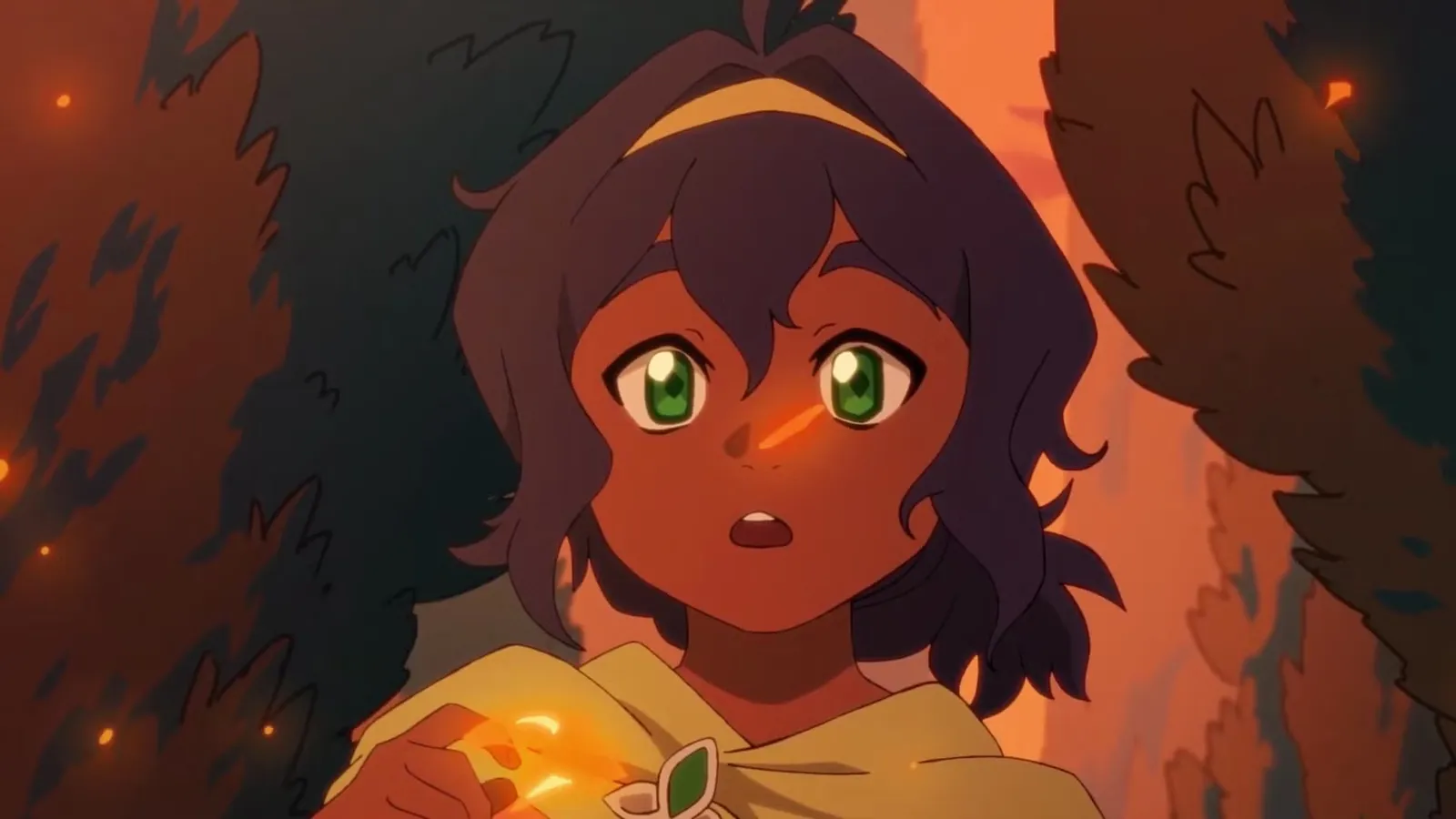
Avatar: Seven Havens drops SDCC 2026 teaser footage, and it ties directly to Korra
The first real look lands months before release, and the SDCC teaser hints at how Korra’s story carries forward.