
Villa Vie's never-ending cruise just ended. Founder Petterson blames Iran war, eyes bankruptcy.
The Odyssey's ~400 residents got eight hours to evacuate after fuel hit $2,200 per ton and a rescue deal collapsed. Villa Vie's next step: restructuring or liquidation.
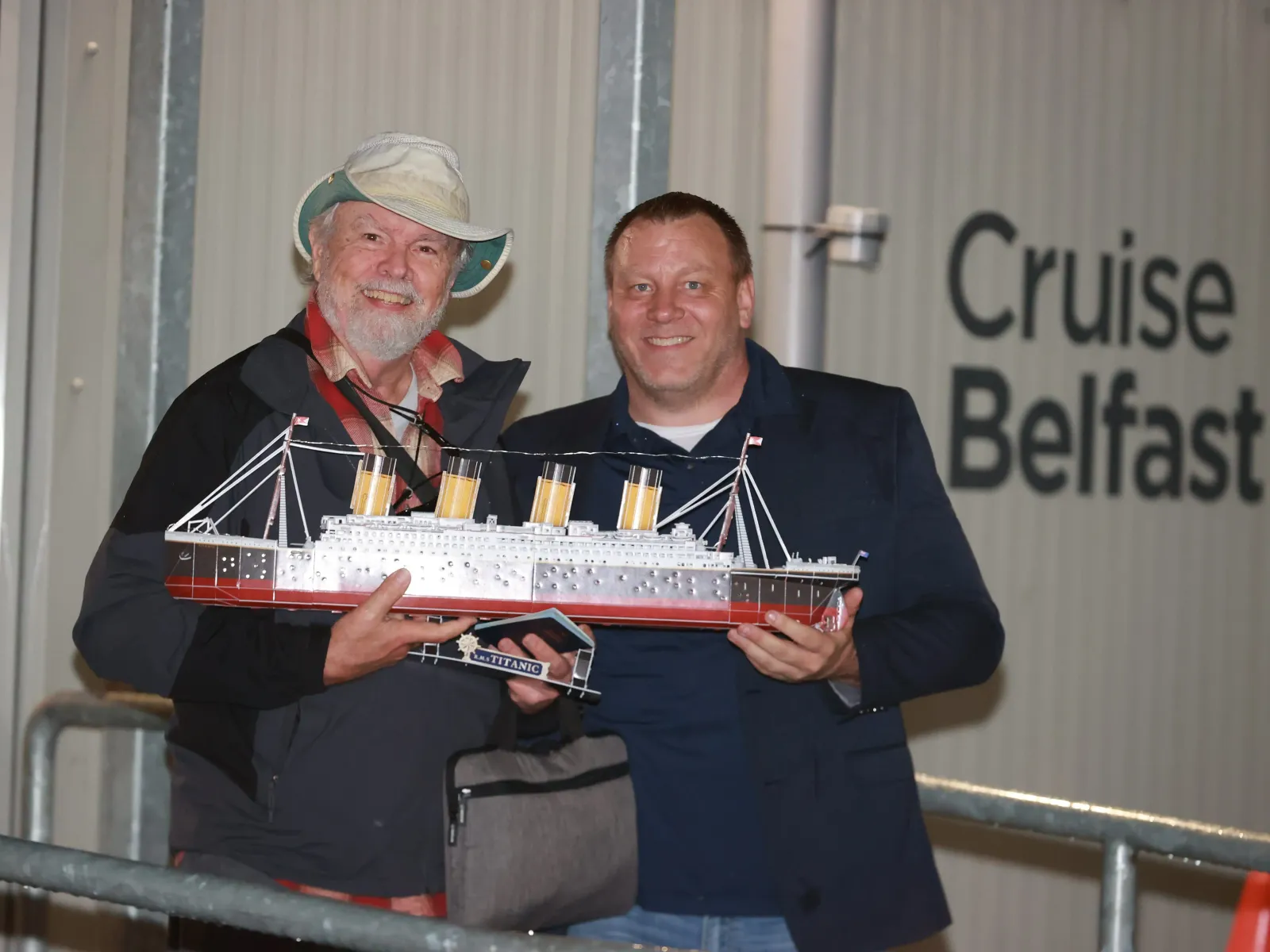
Villa Vie Residences executive chairman Mikael Petterson suspended the Odyssey after war-driven fuel costs and a failed investor deal left the company unable to operate. The founder says bankruptcy is on the table, stranding hundreds of residents and casting doubt on residential cruising.
I feel awful." That's how Villa Vie Residences executive chairman Mikael Petterson summed up the collapse of his "never-ending" cruise. On Tuesday, Villa Vie told residents aboard the Odyssey to leave within eight hours, suspending operations while docked in Sihanoukville, Cambodia. Petterson blames a cascading chain that started with the US-Iran war: fuel prices soared, residents jumped ship, a rescue investment fell apart, and now he says bankruptcy is a real option.
The promise was grand: pay between $119,999 and $439,999 for one of 509 cabins on a retrofitted three-decade-old ship and sail the world for life, visiting more than 400 ports on a global circumnavigation every three-and-a-half years. Reality unraveled slowly at first. Mechanical problems, including rudder issues, kept the Odyssey in dry dock for months after its May 2024 Belfast departure, stranding passengers and costing $15 million more than expected. Once aboard, some residents sued over cabins and amenities - one complained about noise from a pickleball court above his cabin. Villa Vie disputes those claims and says it honored its contracts; both lawsuits are ongoing.
The financial spiral accelerated in late February when the US and Israel launched a war in Iran. The Odyssey runs on marine gas oil, and Villa Vie had typically paid $600 to $700 per metric ton. By March, the price in Singapore had nearly tripled to about $2,000 per ton, according to Ship & Bunker. Bigger cruise lines can hedge fuel; Villa Vie, Petterson said, is "too small of a company to do that." In April, the company asked residents to make emergency loans at 12% to 24% interest - a letter viewed by Business Insider shows the request. Some residents got scared, sold their cabins, and negative social media coverage made it harder to fill the remaining vacancies.
Petterson says the ship had sold 85% of its units by early June, and fuel prices were falling. Villa Vie even announced plans for a second, bigger residential ship. Then in July, fighting between the US and Iran expanded, fuel jumped again, and prospects plunged. The company entered talks with Oneil Khosa, former CEO of Margaritaville's cruise line, for a cash injection and operational partnership. Last week the negotiations turned into what Petterson called "a game of chicken that just blew up in everyone's face." The deal collapsed. Khosa did not immediately respond to a request for comment.
With no cash, Villa Vie shut the Odyssey down. The price of marine gas oil in Cambodia is now $2,200 per ton, and higher in Manila. Passengers told Business Insider they had eight hours to pack. Barbara Fiegel, 62, who had lived aboard with her partner since December 2024, said: "I couldn't stop crying." Petterson said the company could seek a court-supervised restructuring that keeps management in control, or it could liquidate. "We just don't have the financial ability to sustain normal operations for the time being," he said. "So we're protecting the asset and laying it up until we can find a solution going forward."
There's an uncomfortable historical pattern here. As Petterson put it, "Nobody that's tried residential cruising has succeeded, and we've gone further than anyone else." Villa Vie's failure adds another data point to an industry that has struggled for decades: the economics demand scale, long-term capital, and predictable fuel - none of which a startup residence ship can guarantee. The company attracted a "community of almost 400 residents" across six continents, Petterson said, many of them Americans, some content creators who documented the journey for two years. Letting them down, he said, felt "incredibly deflating." He insists he's working "day and night" on a fix. "I'm the villain in the story, but I'm doing everything I can to support the residents on a solution."
For venture-backed founders and operators watching from safer industries, the Odyssey is a lesson in fragility. The business model tied recurring revenue to a volatile commodity and a single aging asset, with no hedge and no backup capital. When fuel doubled, the cash-flow break-even plan for Q2 2026 became fiction. When residents were asked to become lenders, trust eroded. And when a white-knight investor walked, the whole ship stopped. The strategic stakes for any CEO: test your model against commodity spikes, geopolitical shocks, and the risk that your own customers become your last-resort financiers. Villa Vie learned that lesson the hard way - with 400 residents packing in eight hours.
This story's Key Insights and Take-aways are locked.
Create a free account to unlock Executive Actions for one credit.
Register to UnlockAlways free for Executives Club members. Join the Club
More in Business

DoorDash's $17B Instacart Grab Unites Delivery Titans
The largest restaurant delivery service is buying the biggest online grocery platform, reshaping the on-demand economy and inviting antitrust scrutiny.

Anthropic Files for IPO, Ticker 'ANT' - The AI Listing to Watch
The AI company has filed for an initial public offering under the ticker 'ANT,' giving public investors a new way to bet on the generative AI boom.

Anthropic's S-1 reveals $80.7B loss as it races OpenAI to IPO
The Claude maker files publicly for a Nasdaq listing under 'ANT,' exposing staggering losses and a world-altering ambition before it can beat OpenAI to the market.