
WhatsApp rolls out usernames, letting users chat without sharing phone numbers
A global feature update reshapes identity and privacy on WhatsApp, with knock-on effects for messaging security and ecosystem data.

WhatsApp is rolling out a new usernames feature globally over the next few months, so people can start chats by username instead of phone number. For decision-makers, the change reduces phone-number exposure while raising new questions about account discovery, fraud controls, and platform strategy.
WhatsApp is making a subtle but real privacy shift: you will be able to chat by swapping usernames instead of phone numbers. The feature is being rolled out globally over the next few months, replacing a default behavior that has been baked into how the app works since texting days became smartphone days.
That headline promise matters because phone numbers have always been the primary “address” in the WhatsApp network. When a new identity layer sits in front of that, it changes what users have to reveal to start a conversation. In practice, usernames can reduce the friction and the collateral exposure that comes from sharing a phone number you might not want to hand out to a stranger, a business lead, or a new community group.
To understand why this is strategically interesting, it helps to remember how messaging apps traditionally grew. Many became de facto utilities because they were easy to find. In WhatsApp's case, the easiest path was tied to a phone number, which made onboarding simple and network effects strong. But that simplicity also means the addressable identifier is personal. Phone numbers are not just account metadata, they are often tied to identity in the real world. That creates privacy trade-offs for users and also a compliance and risk surface for the company operating the platform.
So WhatsApp’s usernames move is also a product decision about defaults. Switching the user-facing “how do I connect?” mechanism is not just a UI update. It affects how people search for contacts, how they verify identity, and how the platform detects suspicious behavior. Any system that reduces the need for phone-number exchange can be good for user trust, but it can also shift how fraudsters operate. If fewer bad actors can leverage phone numbers as an easy lookup, they may still try username-based impersonation or social engineering. That means WhatsApp (and any executive watching) has to think about the enforcement layer, not just the user convenience layer.
There is also a regulatory and policy context that executives cannot ignore. Messaging platforms are increasingly judged not only on what messages do, but on what data they expose and what identifiers they rely on. Regulators globally have been pushing for stronger controls around personal data, and identifiers like phone numbers are squarely in that category. By adding usernames as an alternative, WhatsApp can present a more privacy-forward onboarding story. Even when phone-number contact remains an option, giving users a different path can be a big deal in markets where privacy expectations are rising.
Operationally, the rollout timing is key: “globally over the next few months” signals a phased launch, which usually means testing in multiple regions, monitoring edge cases, and tightening account and discovery mechanics as usage scales. For boards and leadership teams, staged rollouts are how you reduce the downside of a new identity feature. They also allow customer support teams to train on new user questions and reduce the chaos that can follow when people realize the app has changed how they connect.
Second-order implications show up in partnerships and ecosystem behavior too. WhatsApp is not just a consumer app anymore. Businesses use it for customer support, onboarding, and commerce-related communication. If usernames become a more prominent “address,” companies integrating with WhatsApp will have to adjust the way they collect contact details and the way they route users into conversations. They might be able to lower the amount of phone-number data they request from customers, but they will also need to update processes around matching the right user to the right chat.
Finally, this is a competitive signal. WhatsApp is essentially telling the market that the next iteration of social utility is not only “more secure messages,” it is “less identity leakage” in the connection step. For executives at other messaging or social platforms, this is a reminder that users now expect more than end-to-end encryption as a headline. They want less personal data passed around in the everyday flow.
The strategic stakes are simple: whoever owns the path to connect owns the trust. By rolling out usernames globally over the next few months, WhatsApp is moving the network one step away from phone numbers as the default connector. That can improve user comfort, influence regulatory posture, and reshape how communities and businesses think about discovery. The upside is clearer onboarding with less compulsory personal exposure. The challenge is ensuring that the new identifier layer is secure enough that privacy does not come at the cost of trust.
This story's Key Insights and Take-aways are locked.
Create a free account to unlock Executive Actions for one credit.
Register to UnlockAlways free for Executives Club members. Join the Club
More in Technology

Nvidia's $89B data center quarter: the 9 companies cashing in
The AI buildout is minting fortunes beyond GPUs, and memory, cloud, and cooling suppliers are riding the same wave.
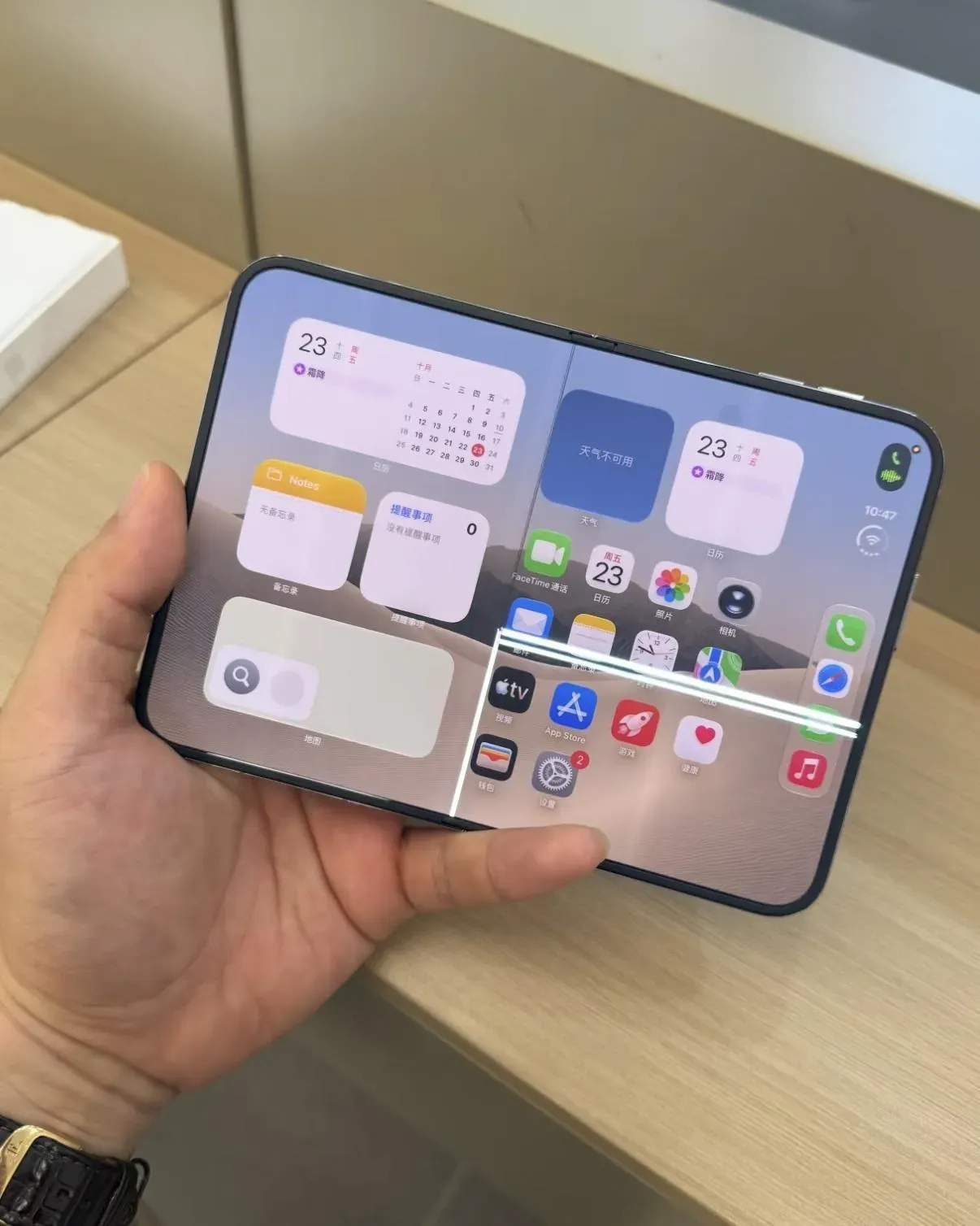
A YouTuber dissected the iPhone Duo and thinks he found crackgate's cause
CuriousHagi's teardown of Apple's foldable reveals a gear-like hinge that may explain why screens crack in the same spot within hours.

Google quietly links your phone number to every Android account on your SIM
Adding a SIM now ties your phone number to all Google accounts - and future accounts inherit it. Here's the security and privacy stakes.