

WHO says Ebola is outpacing response in the fastest outbreak, not the other way
Why the “race” is accelerating, what response systems miss when they lag, and how investors should model risk.
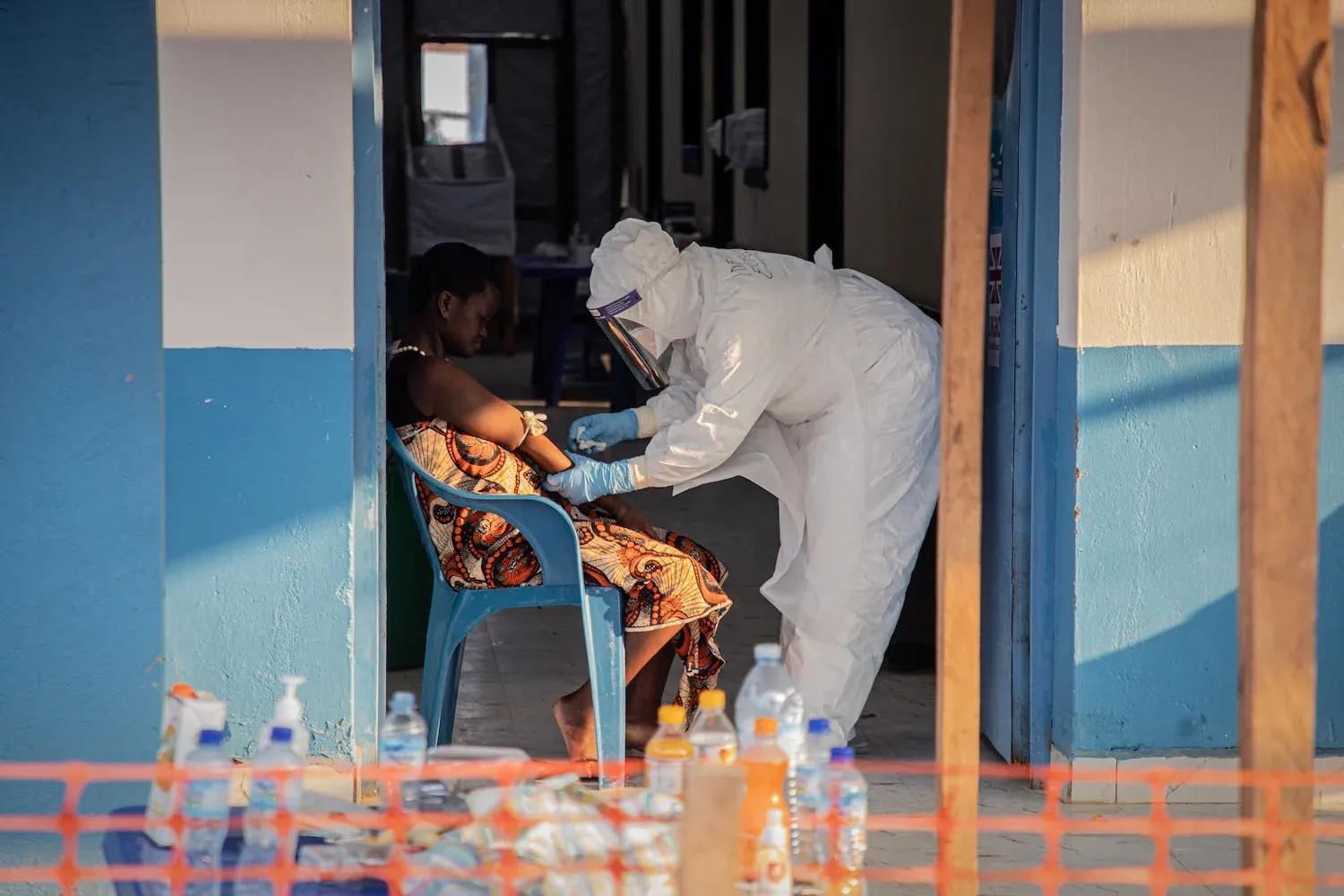
The World Health Organization (WHO) says the current Ebola epidemic is “outpacing” response efforts. For decision-makers, that mismatch between spread and intervention is a leading indicator of wider operational, regulatory, and financial stress.
The World Health Organization (WHO) is warning that the current Ebola epidemic is “outpacing” response efforts. In outbreak terms, that phrase is not just descriptive. It is the clearest possible signal that containment is falling behind transmission, and when that happens, the rest of the story becomes harder for everyone involved: health systems, governments, donors, NGOs, and the companies asked to keep essential services running.
What does it mean to be “outpaced”? It means the epidemic is advancing faster than the interventions designed to stop it can scale, reach, and sustain. The WHO is essentially saying the response clock is losing to the disease clock. That matters because outbreak control is not linear. When you are slightly behind, you can catch up. When you are behind enough, you start to see second-order effects. Those effects include larger geographic spread, higher costs per day of response, more logistical friction, and greater uncertainty for planning. The WHO warning is the kind of statement that turns operational concerns into board-level questions.
To understand why, it helps to zoom out on how epidemic response usually works. Public health systems are built to detect, investigate, isolate, and support safe care, but they depend on time, coordination, and capacity. When cases rise faster than those systems can adapt, the bottleneck shifts from “knowledge” to “implementation.” That is where leadership decisions get real. Teams need to redirect scarce resources, governments need to align authorities and movement policies, and partners need clear rules for what they can do, where, and under what safeguards. If response efforts cannot scale in step with the outbreak, leaders end up managing not one crisis, but many overlapping crises at once.
There is also a regulatory and governance dimension. Outbreak containment involves public directives, cross-border coordination, procurement of medical supplies, and often complex decisions about labor, transport, and facility readiness. Regulators and ministries are forced to make trade-offs under pressure: speed versus rigor, local autonomy versus centralized control, and emergency purchasing versus standard contracting rules. When the WHO says response is being “outpaced,” it hints that those trade-offs may be biting. If procedures that normally work take too long, officials accelerate. If they accelerate without sufficient controls, quality and safety concerns rise. Either way, the system experiences strain.
Now add the market reality that executives sometimes underestimate: epidemics are also supply chain and continuity tests. Even if a company is not in the healthcare sector, outbreaks can still affect operations through travel restrictions, disruptions in logistics, workforce availability, and changes in regulatory oversight. Vendors may face delays or increased compliance burdens. Insurance costs can become harder to forecast. Investors and boards then have to deal with uncertainty not only about demand, but about the ability to deliver, staff, and operate as planned.
This is where the WHO’s warning becomes a strategic input. A statement like “outpacing” suggests that a containment trajectory is worsening relative to response capacity. For decision-makers, that should shift how you think about scenarios. It is not enough to ask whether the epidemic is “bad.” You have to ask whether response will keep up. The moment response falls behind, the operational baseline for planning changes. Costs can rise, timelines can slip, and reputational risk can escalate due to perceived slowness or gaps in coordination.
Second-order implications can be uncomfortable for boards, because they often show up in areas that are not directly tied to the outbreak. Governance and ethics get scrutiny when companies are involved in procurement, logistics, or local partnerships. Risk committees face the task of quantifying operational exposure and supply chain resilience under rapidly changing constraints. In the public sector, leadership is measured by the speed and effectiveness of scaling, not just the quality of initial efforts.
The WHO warning about the fastest-ever Ebola outbreak race to contain it is, at core, a capacity mismatch story. “Outpacing” tells you the initiative is not keeping up with reality. For executives, the strategic stakes are clear: when the clock is against you, every delay compounds. And when response efforts cannot match the epidemic’s pace, the consequences spread beyond the field hospital. They reach into regulation, procurement, trust, and the continuity of everyday systems. That is why this is not just a public health update. It is a leadership stress test.
This story's Key Insights and Take-aways are locked.
Create a free account to unlock Executive Actions for one credit.
Register to UnlockAlways free for Executives Club members. Join the Club
More in Politics
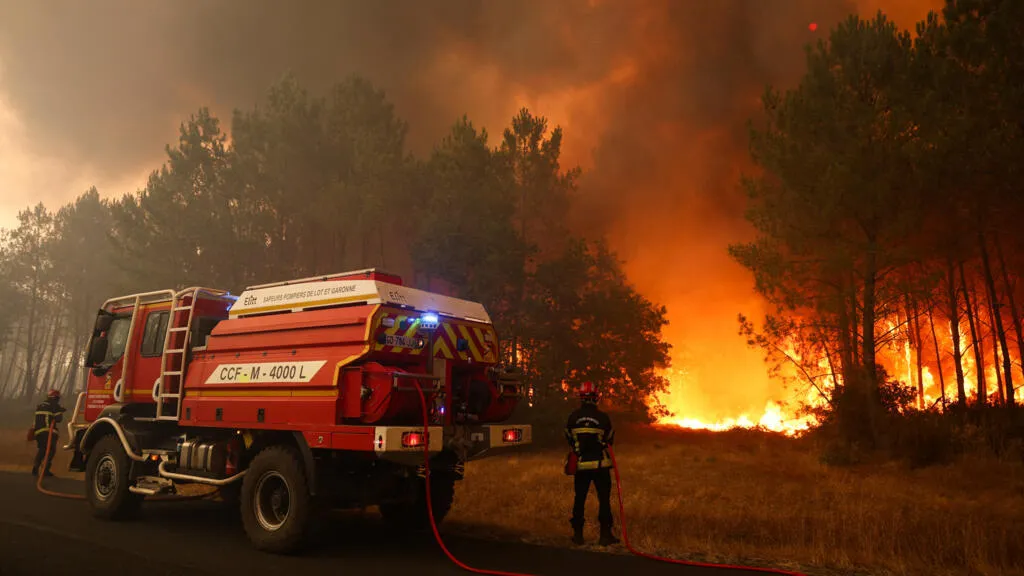
12,000 tourists evacuated from Le Porge as wildfire rages in southwest France
A fire starting midday Wednesday triggered a Thursday evacuation, with heatwave conditions since May worsening wildfires nationwide.

Andy Burnham will court social media creators to spread his prime minister message
The UK prime minister plans influencer collaboration, raising questions about platform power, credibility, and political compliance.

Zinedine Zidane ends Deschamps era: signs four-year France deal until 2030 World Cup Tuesday
A new Les Bleus chapter starts Tuesday, with Zidane replacing Didier Deschamps after 2012.