

Xbox adds PC backward compatibility after 3,200 layoffs, led by Blinx and Conker
Microsoft tries to steady its Xbox ship with a PC backward-compatibility rollout, even as cuts and studio exits reshape strategy.
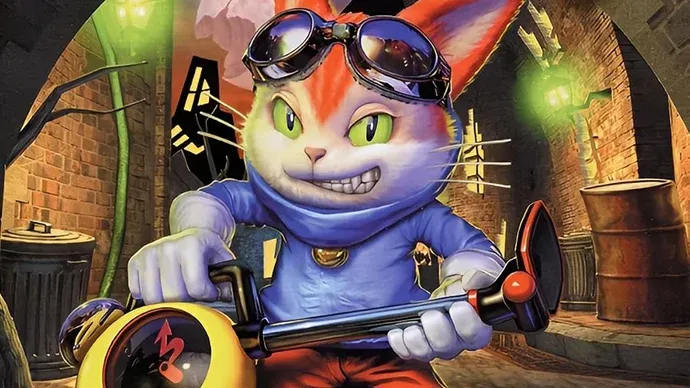
Xbox is announcing a Backward Compatibility on PC program, with Blinx and Conker leading the first wave. The move follows Microsoft cutting 3,200 jobs and four studios, as it tries to downplay the gaming-business impact.
Microsoft is cutting 3,200 jobs and four studios, but Xbox is also signaling what comes next: a Backward Compatibility on PC program. According to Eurogamer, Xbox says old Xbox games are coming to PC, with Blinx and Conker leading the first wave.
That is the headline-sized tension. On one side, layoffs and studio reductions typically point to contraction. On the other, backward compatibility can be a demand and retention play, turning existing IP into a broader audience reach without the same level of new production risk. Xbox is rethinking its whole strategy while trying to downplay the effects on its gaming business, even as “more recent comments from inside the house still sound confused at best,” per the report’s framing.
To understand why this matters to decision-makers, focus on what PC backward compatibility actually changes. The PC market is a distribution and engagement engine with different expectations than console. When games move to PC through backward compatibility, the pitch is not “buy a new title.” It is “your existing library, your nostalgia, your time, and your audience preferences now live in a new place.” That can matter for Xbox because it keeps the ecosystem warm. It also lets Microsoft extend the lifecycle of older games while it figures out the shape of its next multi-year platform plan.
But this is not happening in a vacuum. Eurogamer frames the context as Microsoft trying to downplay the gaming-business impact of cutting 3,200 jobs and four studios. Those cuts are not just headcount. Four studio exits imply capacity changes, different cost structures, and a possible shift in what the company decides is worth funding. When companies restructure like this, strategy communications often get messy. Internally, teams need to align on priorities. Externally, investors and partners want clarity. That mismatch is exactly what the report hints at, calling recent in-house comments “confused at best.”
Regulatory and governance pressures also lurk in the background. Layoffs and studio reductions can trigger scrutiny, particularly when they suggest abrupt changes in content commitments. Even when regulators are not directly involved in day-to-day game publishing decisions, these moves can influence how boards and oversight functions assess operational continuity and risk. Backward compatibility programs are, in contrast, a technology and distribution undertaking. They generally require engineering work, compatibility testing, and storefront and licensing logistics, but they do not require building a wholly new game from scratch. For an executive team, that tends to look like a more controllable lever during a messy transition.
The first-wave choice is the other clue. Eurogamer specifies Blinx and Conker as the leaders of the program’s initial rollout. That tells you Xbox is not starting with the most obvious modern blockbusters, but with recognizable legacy brands that can travel. It is a strategy that leans on familiarity and brand memory. For players, it is a signal that this is not a generic “someday” promise. It is a staged plan with identifiable titles early enough to establish credibility.
For peers in the boardroom, the second-order implication is straightforward: cost cutting does not automatically mean a content strategy collapse. Sometimes it means leadership is trying to create budget breathing room while still delivering platform value. Xbox is essentially trying to square two things at once. It is addressing immediate financial and organizational changes from layoffs and studio reductions. At the same time, it is pointing to a user-facing benefit that can sustain engagement, broaden reach, and reduce the pressure to constantly announce brand-new products.
The strategic stakes are bigger than nostalgia. Backward compatibility on PC can strengthen Microsoft’s relationship with customers who spend time on PCs rather than only consoles, and it can help keep Xbox in the conversation during periods when game development timelines might be stretched by studio changes. For investors, analysts, and operators tracking platform health, the question becomes: can Xbox use legacy libraries as a stabilizer while it rethinks its broader strategy? Eurogamer’s report suggests Xbox is betting yes, beginning with Blinx and Conker.
If you are an executive watching from the next seat over, the lesson is about sequencing and signaling. A company that cuts 3,200 jobs and four studios cannot just hope the market reads the future correctly. It has to show tangible progress now. In this case, the tangible progress is a PC backward-compatibility rollout, presented as “old Xbox games are coming to PC,” with a defined first wave. Whether that narrative lands will depend on execution quality and how quickly the program expands, but the intent is clear: steady the Xbox ecosystem while the strategy and operating model are in flux.
This story's Key Insights and Take-aways are locked.
Create a free account to unlock Executive Actions for one credit.
Register to UnlockAlways free for Executives Club members. Join the Club
More in Business

Anthropic’s Levant Alpöge cracks the Jacobian conjecture after 87 years
A Harvard valedictorian used Claude to hit a 1939 breakthrough, but the missing “why” is the real problem.

Uber buys Delivery Hero for nearly $15B, vaulting to top food delivery outside China
The deal doubles Uber's dual-services footprint and pushes a ride-and-eats bundling play into 50 more markets.

Epic and Google drop settlement bid, forcing rival Android app stores by July 22
Google told the court it is ready to carry third-party app stores starting Wednesday, July 22.