
Xbox CEO: 'We will not survive' without new IP - after cutting new-IP studios
Asha Sharma's internal town hall message clashes with Xbox's recent studio closures and cancellations, leaving developers and partners to parse the real strategy.
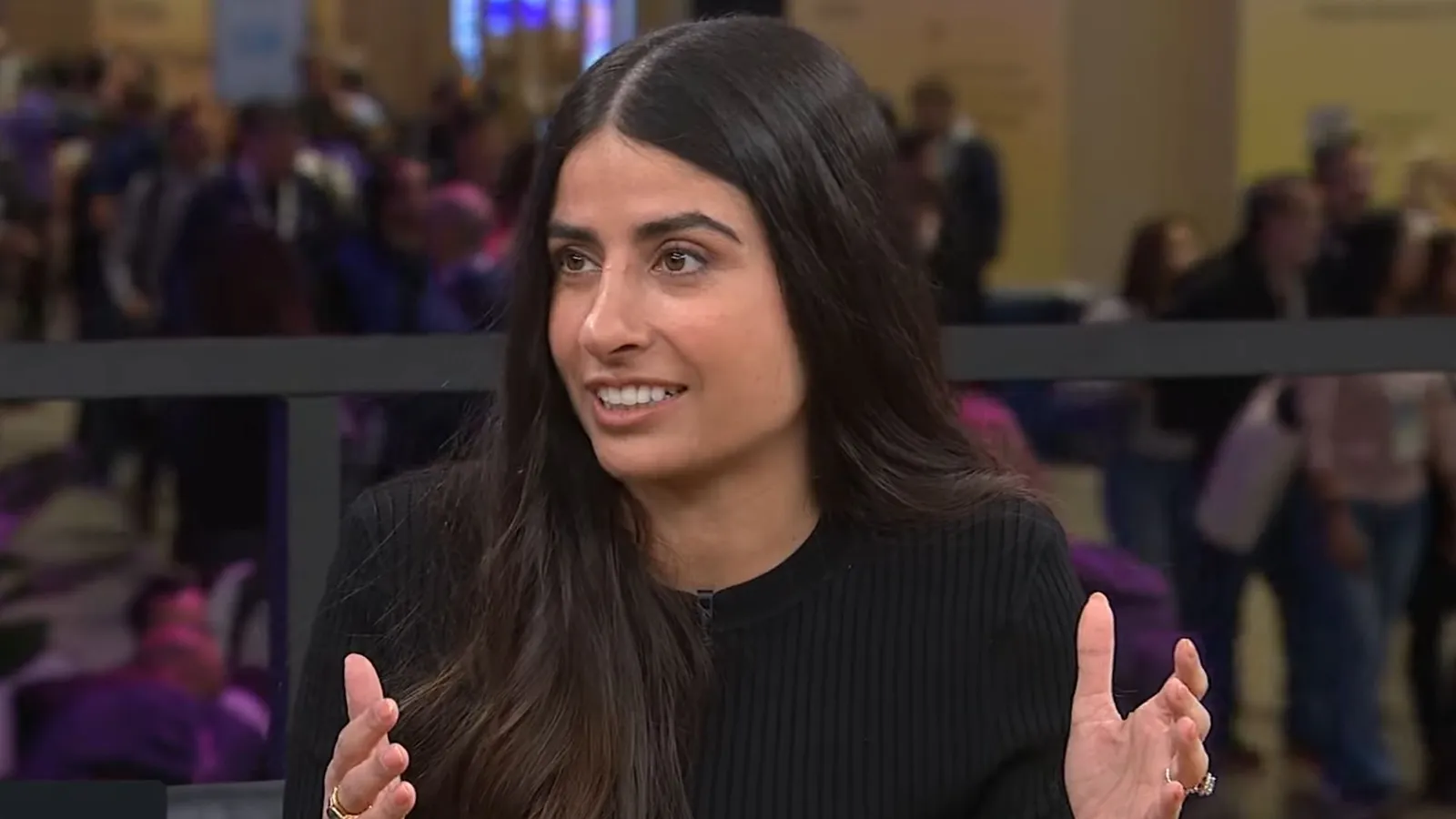
Xbox CEO Asha Sharma reportedly told employees in an internal town hall that Microsoft's gaming division 'will not survive' if it only revives past franchises, calling for courage to invent new IP. The message lands amid thousands of layoffs, studio closures, and cancellations that have hit teams known for original games, creating a credibility gap for leadership.
Xbox CEO Asha Sharma reportedly told employees at an internal town hall that the company 'will not survive' if it only revives past franchises, according to a transcript shared by Windows Central. 'We're backing our strongest franchises. I want our great games to become great global billion-dollar franchises. I would also like to see us continue to create enduring new IP. We will not survive if we only revive [sic] on the past. We have to find new ways, and courage, to have invention on new IP, that reaches new sets of audiences,' she said. The message was meant to rally troops around a dual strategy: double down on proven hits while planting seeds for the next generation.
But the timing and the track record make the rallying cry hard to square with reality. Under Xbox's 'Reset,' the division has cancelled multiple projects from Obsidian and redirected the studio to a Fallout game, pushed Double Fine and Compulsion Games (maker of South of Midnight) to go independent, set its sights on Arkane Lyon, and entered consultation talks regarding Ninja Theory after attempted sales failed. Thousands of layoffs have accompanied the restructuring. Most of these studios had either just shipped original IP or were known for inventive work, which is precisely the kind of courage Sharma is now asking for.
The contradiction is not lost on the developers still inside Xbox. The phrase 'trying to have your cake and eat it too' exists for a reason, and the mouth is not talking about what the hand is doing. From a pure capital-allocation perspective, backing strongest franchises is understandable: established IP carries lower risk and predictable revenue, especially in a decade where development costs have ballooned and live-service failures have burned even the biggest publishers. But the public rationale for cutting studios that make original games while simultaneously demanding new IP creates a credibility problem that can poison internal trust and external talent recruitment.
The one counterpoint is Hideo Kojima's Physint, which Xbox has picked up. It is technically a new IP, though not one Xbox personally funded the most of, and it is being created by a beloved auteur. That acquisition shows Xbox is willing to bet on new worlds, but it is a narrow exception. The broader pattern is consolidation around existing franchises like Fallout, Call of Duty, and Minecraft, which are safe bets but do not expand the audience in the way Sharma's quote envisions.
For executives across gaming and media, the episode is a case study in the gap between strategic narrative and operational reality. When a leader publicly asks for courage and invention while the org chart shows the opposite, the market reads the actions, not the words. The challenge is not whether to back strong franchises - that is table stakes - but how to create a portfolio that funds both safe sequels and speculative bets without treating them as mutually exclusive. Xbox's own history shows that new IP can become the billion-dollar franchises of tomorrow; Halo, Gears of War, and Forza all started as risks.
The stakes are existential, as Sharma herself framed it. If Xbox cannot create enduring new IP, it risks becoming a service provider for other people's worlds, dependent on acquisitions and licensing rather than organic growth. That is a fragile position in an industry where platform holders need exclusive reasons to buy hardware and subscribe to Game Pass. The internal town hall may have been intended to motivate, but it also exposed the tension between the short-term demands of a parent company like Microsoft and the long-term creative investment required to build new worlds.
For peers in similar roles, the lesson is to align the message with the metrics. If you are cutting studios that make original games, do not ask for new IP without explaining how the remaining teams will be resourced to deliver it. If you are backing strongest franchises, be explicit that the cash flow from those franchises is what funds the speculative bets. The worst outcome is a workforce that hears 'we will not survive' and watches the lifeboats being launched in the opposite direction.
This story's Key Insights and Take-aways are locked.
Create a free account to unlock Executive Actions for one credit.
Register to UnlockAlways free for Executives Club members. Join the Club
More in Business

Elon Musk unveils a flying car, and SpaceX helped build it
The Tesla CEO's showcase at a SpaceX facility signals a future where road and rocket engineering converge.

Apple's $2,000 iPhone Duo opens preorders, taking on Samsung and Google
Apple's first foldable hits the market at a premium price, reshaping a category Samsung and Google have led.

Pope Leo XIV, first American pope, diagnosed with lung cancer
The 71-year-old Chicago-born pontiff underwent successful surgery on his right lung, and his diagnosis raises new questions about his AI-focused papacy and the Vatican's future.