

Xbox confirms 8 July 2026 Game Pass titles, including 4 day-one releases
Microsoft locks in a second July wave for Game Pass, while another 8 games exit on July 31.
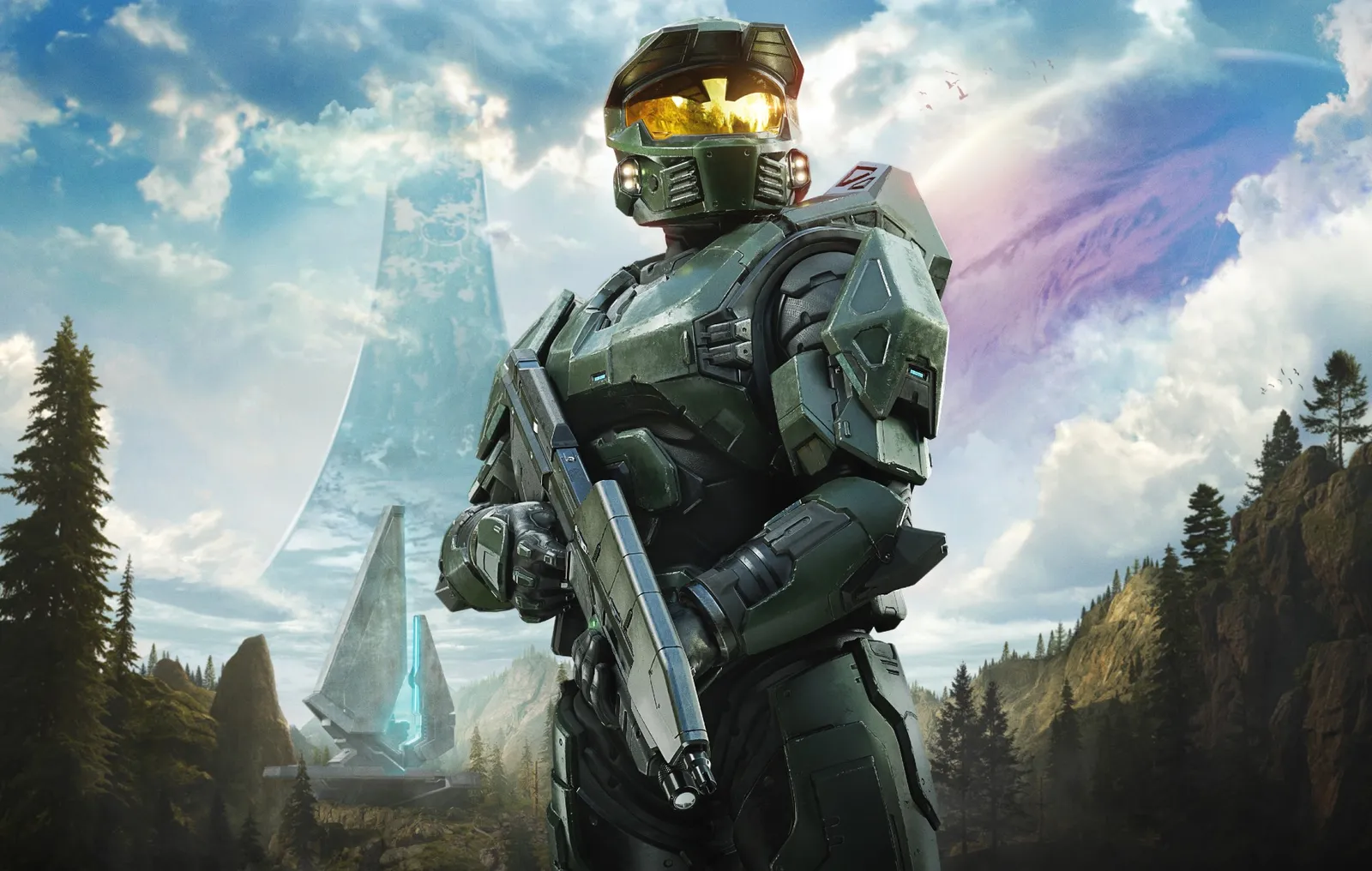
Microsoft has confirmed eight new titles joining Xbox Game Pass in July 2026, with four dropping on day one. The update also includes eight confirmed departures on July 31, reshaping what subscribers can actually play month to month.
Microsoft has confirmed a second wave of Xbox Game Pass additions for July 2026, bringing eight new titles to the service. The headline detail for subscribers and the business side alike: four of those games are day-one releases, meaning they land directly in the catalog at the moment they launch rather than waiting for later.
The date stamp matters too. On July 21, 2026, Microsoft posted the July wave confirmation, and the rollout is staged across the month. “Every game still to come to Xbox Game Pass this July 2026” includes The Planet Crafter (out now for Ultimate, Premium and PC subscribers), Shift At Midnight (out July 22 for Ultimate and PC), Hell Is Us (out July 23 for Ultimate, Premium and PC), and Halo: Campaign Evolved (out July 28 for Ultimate and PC). Then the rest of the wave continues with Mistfall Hunter (out July 30 for Ultimate, Sea of the catalog mix continues), Consir Cove (out July 31 for Ultimate), and two August 4 additions: Heretic + Hexen (out August 4 for Premium, joining Ultimate and PC) and Beast Of Reincarnation (out August 4 for Ultimate and PC).
On the surface, this is classic subscription scheduling, and Game Pass tends to treat the calendar like a product. But there is a second layer leaders should notice: day-one releases shift the value equation. When a game is available immediately in the subscription, the service can sell “risk-free discovery” to players while giving publishers a distribution channel that is more predictable than relying purely on storefront sales. For Microsoft and its internal teams, day-one additions can also act like internal proof points that the catalog is staying competitive, especially when the outside narrative is more chaotic.
Because the source is not written in a vacuum. Earlier in July, ten new titles were announced for Xbox Game Pass, and Microsoft “quickly backtracked” on that plan when Tony Hawk’s Pro Skater 1+2 was indefinitely delayed. The article notes there was no explanation, but it points to speculation about music licensing rights or an existing deal between Activision and Sony. Even without official comment, the practical business takeaway is clear: Game Pass deals live at the intersection of rights, contracts, and launch timing. When those variables slip, the catalog story can change quickly, and subscribers notice.
Now add the churn signal. Microsoft has also confirmed eight titles will be leaving Xbox Game Pass on July 31. The list is: Back to the Dawn, Celeste Crusader Kings 3, Mount & Blade 2: Bannerlord, My Friendly Neighborhood, Rain World, Sniper Elite Resistance, and Whiskerwood. That matters because subscription value is partly about “what can I play today?” If customers plan their weekends around a running backlog, departures create friction and deadline behavior. Executives who track retention know this can cut both ways: well-timed additions help keep the catalog feeling fresh, while departures can drive conversion of lapsed players back into the active period before the clock runs out.
There is also a macro-and-operations angle bleeding through the background of the article. It points out it’s “not the best time to be an Xbox fan,” citing confirmed price hikes for Microsoft consoles and rumors that the next-gen Project Helix console could cost at least $1000. Alongside that, the source says new boss Asha Sharma announced 3600 people will lose their jobs at Microsoft as part of an aggressive restructuring program, and it notes Double Fine, Compulsion Games, Ninja Theory, and Undead Labs game studios will go independent as part of the shake-up.
Put those together and the Game Pass list becomes more than a games calendar. In a world of higher console prices, potential hardware sticker shock, and corporate restructuring, subscription catalogs can become one of the cleanest levers for keeping engagement without directly touching hardware margins. But day-one releases and recurring departures are both expensive in different ways. Day-one requires tighter coordination with publishers and rights holders, while churn requires ongoing replenishment so the service does not feel like it is “taking away” more than it is adding.
For peers in subscription software, media, or gaming, the strategic stake is the same: your product is the catalog, and your promise is timeliness. Microsoft is effectively showing two motions at once. It is adding eight titles across July 2026, with four landing on day one, while also setting customer expectations for what exits on July 31. Leaders at other platforms should treat that as a signal of how to manage the rhythm of acquisition and loss, because the service that wins is rarely the one with the biggest launch. It is the one with the least painful month-to-month reality.
This story's Key Insights and Take-aways are locked.
Create a free account to unlock Executive Actions for one credit.
Register to UnlockAlways free for Executives Club members. Join the Club
More in Business

Anthropic’s Levant Alpöge cracks the Jacobian conjecture after 87 years
A Harvard valedictorian used Claude to hit a 1939 breakthrough, but the missing “why” is the real problem.

Uber buys Delivery Hero for nearly $15B, vaulting to top food delivery outside China
The deal doubles Uber's dual-services footprint and pushes a ride-and-eats bundling play into 50 more markets.

Epic and Google drop settlement bid, forcing rival Android app stores by July 22
Google told the court it is ready to carry third-party app stores starting Wednesday, July 22.