

Xbox launches Game Pass Starter for Meta Horizon+ subscribers
A new cross-platform bundle puts subscription gaming into VR’s front door, and shifts distribution strategy for everyone.
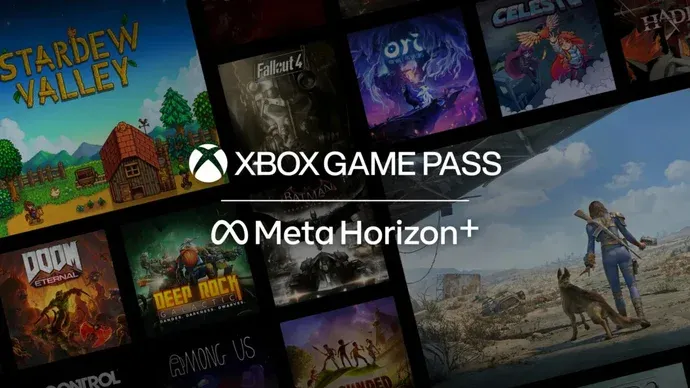
Xbox has begun offering the starter edition of Game Pass to Meta Horizon+ subscribers. For decision-makers, it is a distribution move that raises the bar for how games and services get discovered in VR.
Xbox has begun offering the starter edition of Game Pass to Meta Horizon+ subscribers. In plain terms: if you are already paying for Meta Horizon+, you can now access a lighter version of Xbox Game Pass through that same relationship, instead of treating Xbox and VR as two separate entertainment worlds.
This matters because it is not just a “partnership announcement.” It is a packaging and distribution decision. Subscriptions live or die by friction. The lower the steps between wanting something and actually playing, the more your service wins. By tying Game Pass Starter to Meta’s Horizon+ audience, Xbox is betting that VR subscribers are a warm pipeline, not a cold start.
To understand why this is strategically loud, zoom out to how subscription gaming typically expands. Game Pass is designed around recurring value: a catalog you can dip into without having to decide, every time, whether to buy a specific title. Traditionally, that value is delivered through console and PC channels, where Xbox already has infrastructure and habits. VR is different. Discovery is harder. Sessions can be shorter. The interface is a different mental model. So the move to offer “starter edition” access specifically suggests Xbox is calibrating the offer. It is likely aiming to test and broaden reach without immediately demanding the full commitment of the broader tiers.
Now add Meta’s side of the equation. Horizon+ is about retaining users in a world where switching costs are often psychological. People churn when they stop seeing a reason to return. Bundling a known subscription brand like Game Pass into Horizon+ gives Meta a more concrete entertainment payoff, not just “more apps.” It also makes Horizon+ more defensible: if the platform becomes a gateway to a gaming subscription, then competitors are not just swapping features, they are fighting distribution.
There is also an ecosystem dynamic at play. Xbox is not alone in trying to turn platform partnerships into subscriber growth, but cross-platform bundling is where the real leverage shows up. When a platform company controls the subscription moment, it can influence which services get tried first. That means Xbox’s Game Pass offer to Horizon+ subscribers is effectively an attempt to earn prime placement in the consumer journey, from first login to first session. And if it works, it sets a precedent that other services will feel pressured to match.
Regulatory and policy context matters too, even when the news itself is straightforward. In many markets, regulators have focused on platform power: who controls discovery, who sets bundling terms, and whether ecosystems can steer users in ways that limit competition. This is not a story about enforcement actions or specific rulings, and the source does not provide those details. But the broader point is that subscription bundling across platforms is exactly the kind of mechanism that attracts scrutiny in general. Boards and executive teams should treat these deals as more than marketing. They can become part of a wider debate about fair access, interoperability, and the economics of being the “front door” to entertainment.
Second-order implications show up internally at the companies involved. For Xbox leadership, this move can reallocate demand: some prospective Game Pass users may come through Meta instead of Xbox’s own storefront funnels. That can affect forecasting, customer acquisition assumptions, and how success is measured. For Meta, bundling Game Pass Starter could shift Horizon+ engagement metrics, including how quickly new users reach “aha moments,” how often they return, and whether churn decreases.
For competitors, this raises an uncomfortable question: if a major publisher-backed subscription can ride into VR via a platform bundle, what are you doing to be equally discoverable? VR services depend heavily on user conversion and retention, and those are heavily influenced by what platforms choose to promote. In that sense, Xbox and Meta are not just launching a product. They are changing the default playbook for how gaming subscriptions expand into new computing realities.
Bottom line: Xbox has started offering the starter edition of Game Pass to Meta Horizon+ subscribers, and that is a distribution bet with real strategic consequences. If cross-platform bundling reduces friction for VR users, it could reshape who captures attention in that market. For executives building subscription businesses, the message is clear. The next competitive edge may not be in the next game announcement, but in the next doorway the customer walks through.
This story's Key Insights and Take-aways are locked.
Create a free account to unlock Executive Actions for one credit.
Register to UnlockAlways free for Executives Club members. Join the Club
More in Entertainment

12TB Steam 'teraleak' goes beyond Valve: GTA 3, Mafia 2 prototypes exposed
A 12-terabyte dump of Steam data reveals prototypes and builds of third-party classics like GTA 3 and Mafia 2, plus unreleased Valve content, rewriting game history.

LinkedIn's romance problem: 1 in 4 workers say dating on it is fair game
A new survey shows a quarter of U.S. employees treat the professional network as fair game for romance, even as LinkedIn bans it and removes hundreds of thousands of offending posts.

Enhypen's first No. 1 album breaks K-pop's Billboard 200 streak
The K-pop group's 98,000-unit debut tops the chart while Dolly Parton's catalog reentry shows how death reshapes streaming.