
XDOF, 3 months out of stealth, nears $1.2B Series B
The robot data startup is raising a massive round just months after emerging from stealth, signaling investor hunger for AI infrastructure plays.
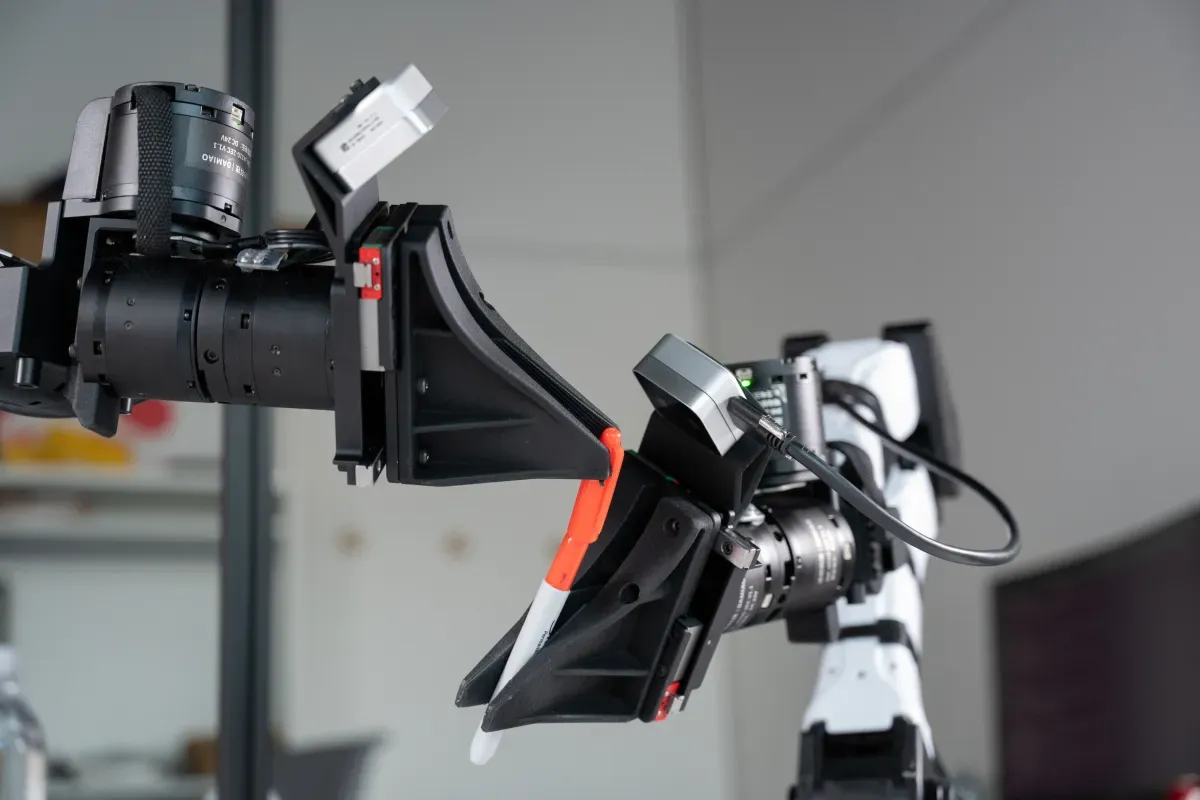
XDOF, a robot data startup that exited stealth just three months ago, is in talks for a Series B at a $1.2 billion valuation. The rapid round underscores the intense investor appetite for AI and robotics data infrastructure, and signals that early-stage companies can command premium valuations if they sit at the intersection of hardware and software.
XDOF, a robot data startup that only emerged from stealth three months ago, is already in talks to raise a Series B at a $1.2 billion valuation, according to TechCrunch. The round, which would value the company at over a billion dollars before it has even had a full quarter of public operation, is a striking signal of how hot the AI infrastructure market has become. For founders and investors watching the space, the speed of XDOF's ascent is less an anomaly and more a symptom of a market that is desperate for the plumbing that makes robots and AI systems actually work in the physical world.
The company's core pitch is simple but critical: robots generate enormous amounts of data, and that data needs to be collected, labeled, and structured before it can train AI models or improve robotic performance. XDOF is building the data layer for that process, a role that has become increasingly vital as autonomous vehicles, warehouse robots, and industrial automation scale up. The fact that XDOF has attracted a $1.2 billion valuation so quickly suggests that investors see this data layer as a winner-take-most opportunity, similar to how cloud infrastructure providers like AWS and Azure captured massive value in the last decade. The round is being raised just months after the company exited stealth, which means the team has likely been working on the product for years, but the public market is only now getting a glimpse of the scale of the opportunity.
For context, the broader robotics and AI data market has been heating up all year. Venture funding into AI infrastructure, including data labeling, synthetic data generation, and model training platforms, has surged as enterprises race to deploy AI across their operations. XDOF's valuation is not just a bet on the company itself, but on the entire category of companies that enable AI to interact with the physical world. The $1.2 billion figure puts XDOF in the same league as some of the most prominent AI startups, and it does so without the company having a long public track record. That is a testament to the strength of the founding team and the clarity of the problem they are solving, but it also raises questions about whether valuations in this space are getting ahead of revenue and profitability.
For executives and boards, the XDOF news is a reminder that the window for raising capital in AI-adjacent sectors is wide open, but it is also narrowing quickly. The company's ability to go from stealth to a $1.2 billion valuation in three months suggests that investors are willing to move fast when they see a clear technical moat and a large addressable market. However, that speed cuts both ways: companies that wait too long to raise may find that the market has already moved on to the next hot category. The lesson is not to rush a round for the sake of speed, but to be prepared to strike when the window opens, because the same investors who are eager to back XDOF today may be more cautious tomorrow if the macro environment shifts.
Another angle worth noting is the competitive landscape. XDOF is not alone in the robot data space; there are established players and new entrants all vying for the same enterprise budgets. The $1.2 billion valuation will put a target on XDOF's back, and competitors will likely use the news to argue that they offer similar capabilities at a lower cost or with more mature technology. For XDOF, the challenge will be to convert the valuation into real customer wins and revenue growth, because a high valuation without execution is a liability, not an asset. The company will need to show that it can scale its data infrastructure to handle the massive volumes of data that robots generate, and that it can do so reliably and securely.
For decision-makers in adjacent industries, the XDOF story is a case study in how to position a company for rapid growth. The startup's success is built on a clear thesis: that the bottleneck in AI is not compute or algorithms, but data. By focusing on the data layer for robots, XDOF has tapped into a need that is both urgent and underserved. The company's rapid rise should prompt other founders to ask whether they are solving a similarly critical problem, and whether they have the proof points to justify a premium valuation. It should also prompt investors to look beyond the obvious AI model companies and consider the infrastructure that makes those models useful in the real world.
Ultimately, XDOF's Series B talks are a signal that the AI gold rush is not just about the models, but about the picks and shovels. The company's ability to command a $1.2 billion valuation so early in its public life is a bet on the long-term growth of robotics and AI, and it is a bet that many investors are willing to make. For the rest of the market, the takeaway is clear: the window for building and funding AI infrastructure is open, but it will not stay open forever. Companies that can demonstrate a clear path to becoming the standard for data in their niche will be rewarded, but they will also face intense scrutiny as they try to live up to the expectations that come with a billion-dollar valuation.
This story's Key Insights and Take-aways are locked.
Create a free account to unlock Executive Actions for one credit.
Register to UnlockAlways free for Executives Club members. Join the Club
More in Technology

Google quietly links your phone number to every Android account on your SIM
Adding a SIM now ties your phone number to all Google accounts - and future accounts inherit it. Here's the security and privacy stakes.

Hijacker AI 'Skynet mode' runs 100,000 attack steps against exposed models
Symantec caught a criminal AI agent that borrows other models, steals data, and mines crypto; the only relief is no confirmed victims yet.

Nvidia's AI-financier shift faces its first big test as neoclouds stumble
A rout in neocloud stocks is forcing investors to weigh Nvidia's hidden exposure as both supplier and lender to the AI buildout.