
Ye's Chicago homecoming drew 70,000 fans - and a new touring playbook
The rapper's two-night Soldier Field run shows how an apology and an indie partner are rebuilding his mainstream appeal - and what it means for brands watching closely.

Ye (Kanye West) drew more than 70,000 fans across two nights at Chicago's Soldier Field, performing a 60-track set with 15 guests. The event signals a viable path back to the mainstream for the artist, backed by a partnership with independent touring company IKON Presents for 2026 stadium dates.
More than 70,000 fans packed Soldier Field over two nights for Ye's Chicago homecoming, a spectacle that ran roughly three hours and featured a 60-track setlist with 15 guest appearances. The numbers alone are striking for any artist, but they carry extra weight for Ye, who spent the past few years mired in antisemitic rants and public outbursts that cost him corporate partnerships and mainstream visibility. His January full-page apology in The Wall Street Journal appears to have opened a door, and the Chicago shows suggest the market is willing to walk through it with him.
The business mechanics behind the comeback are as notable as the attendance. Ye has bypassed traditional concert promoters and partnered with independent touring company IKON Presents for select stadium dates throughout 2026, with upcoming stops in Dallas, Houston, and Phoenix later this year. This unconventional route gives him more control over his live business and avoids the gatekeeping of major players who might shy away from his baggage. It also signals a new model for artists with controversial pasts: build a direct-to-fan touring operation that doesn't depend on corporate blessing.
The Chicago crowd was a cross-generational mix, from day-one fans celebrating early collaborators like GLC, Consequence, Really Doe, and Twista to younger listeners moshing to Travis Scott and Don Toliver, both of whom have publicly credited Ye as an influence. That breadth matters commercially. It shows Ye's catalog still resonates across three decades, from The College Dropout to his upcoming album Bully, and that his cultural footprint remains intact even after the controversies. The presence of superstar collaborators also signals that the industry's creative class is willing to work with him again, which could unlock future production deals and features.
For brands and sponsors, the 70,000-fan turnout is a double-edged signal. On one hand, it proves there is a large, engaged audience that will spend money on tickets and merchandise despite the artist's history. On the other, it raises the reputational risk calculus: associating with Ye still carries baggage, but the size of the audience suggests the potential upside is real. The fact that fans laced up their Yeezys and donned tour merchandise over the two days indicates a level of loyalty that transcends scandal, a metric that brand managers will be watching closely as they decide whether to re-engage.
The apology itself was a strategic pivot. By taking out a full-page ad in The Wall Street Journal in January, Ye acknowledged his past behavior and committed to a different path. Since then, he has largely avoided the rants that defined his recent tours, keeping his between-song talking to a minimum on Friday night and letting the music do the work. This disciplined approach is a stark contrast to his previous performances, and it suggests a deliberate effort to rebuild trust with both fans and commercial partners. Whether that trust extends to major retailers and streaming platforms remains to be seen, but the live business is clearly a beachhead.
The broader entertainment industry is watching this experiment closely. Independent touring companies like IKON Presents are stepping in where major promoters might hesitate, creating a parallel infrastructure for artists who are commercially viable but culturally radioactive. This could reshape how live events are financed and promoted, especially for artists who have been canceled or blacklisted. If Ye's 2026 dates sell out, it will validate a model that other controversial figures might adopt, potentially fragmenting the live music market further.
For executives in media, sports, and consumer brands, the takeaway is that redemption arcs are not just cultural stories - they are business opportunities with measurable demand. The 70,000 fans in Chicago represent a revenue stream that cannot be ignored, but they also represent a reputational risk that must be managed. The key is to separate the artist from the art, or to find ways to engage with the audience without endorsing the individual. Ye's comeback is a case study in how a personal apology, combined with a smart distribution strategy, can reopen doors that once seemed permanently closed.
The path back to America's mainstream is not guaranteed, but the Chicago shows prove it exists. Ye's partnership with IKON Presents, his disciplined performance style, and his ability to draw 70,000 fans in a single market all point to a sustainable live business. For peers in the entertainment and brand world, the lesson is clear: audiences are often more forgiving than corporate gatekeepers, and the economics of live events can outweigh the optics of controversy. The question now is whether other brands and platforms will follow the fans' lead.
This story's Key Insights and Take-aways are locked.
Create a free account to unlock Executive Actions for one credit.
Register to UnlockAlways free for Executives Club members. Join the Club
More in Business

Death sentence for TV presenter Sarah Khalifa: Egypt's drug case hits media
The sentencing of Sarah Khalifa and 11 others underscores the severity of Egypt's anti-drug laws and the exposure of public figures to capital punishment.
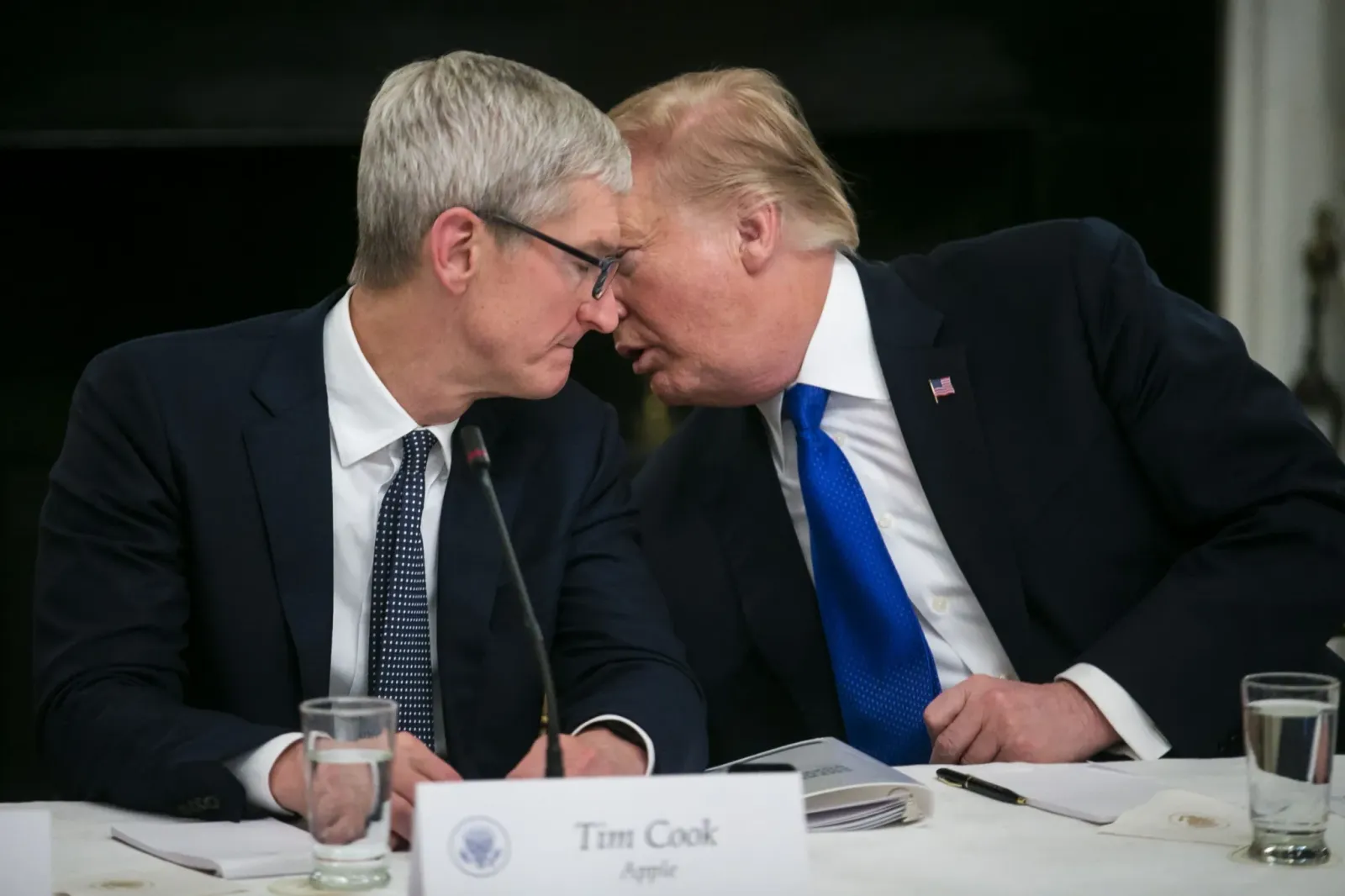
Tim Cook steps down as Apple CEO, stays on as chair with $45M equity
The 'Trump whisperer' keeps his White House and Beijing access as Apple navigates tariffs and a $4.6 trillion market cap.
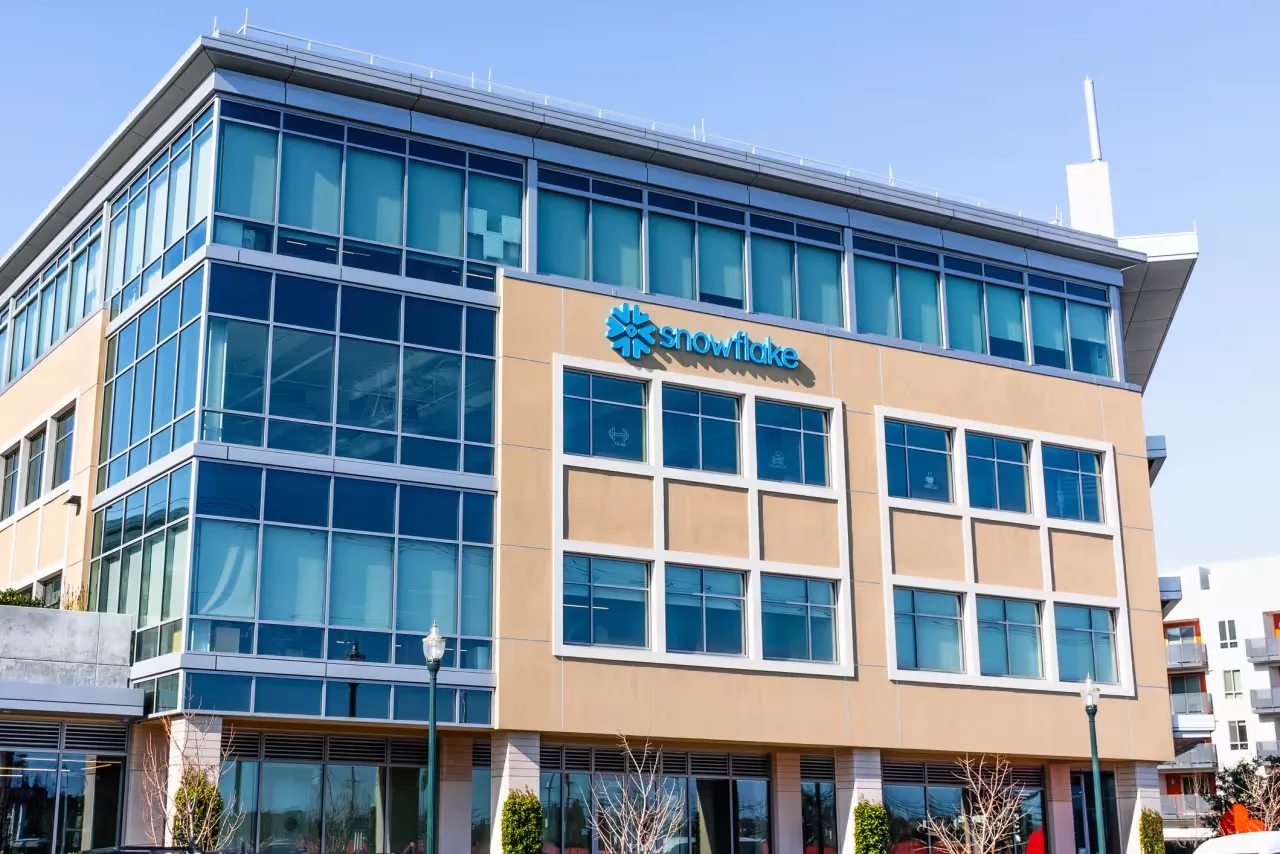
Snowflake shares surge as AI data demand crushes estimates, lifting full-year forecast
Stocks jumped on stronger-than-expected guidance, signaling enterprise AI workloads are accelerating faster than Wall Street priced in.