

YouTube ad revenue jumps 13% in Q2, surpassing $11B and supercharging Alphabet results
A $11.055B YouTube ad quarter helped Alphabet post $119.8B total revenue and $9.11 EPS.
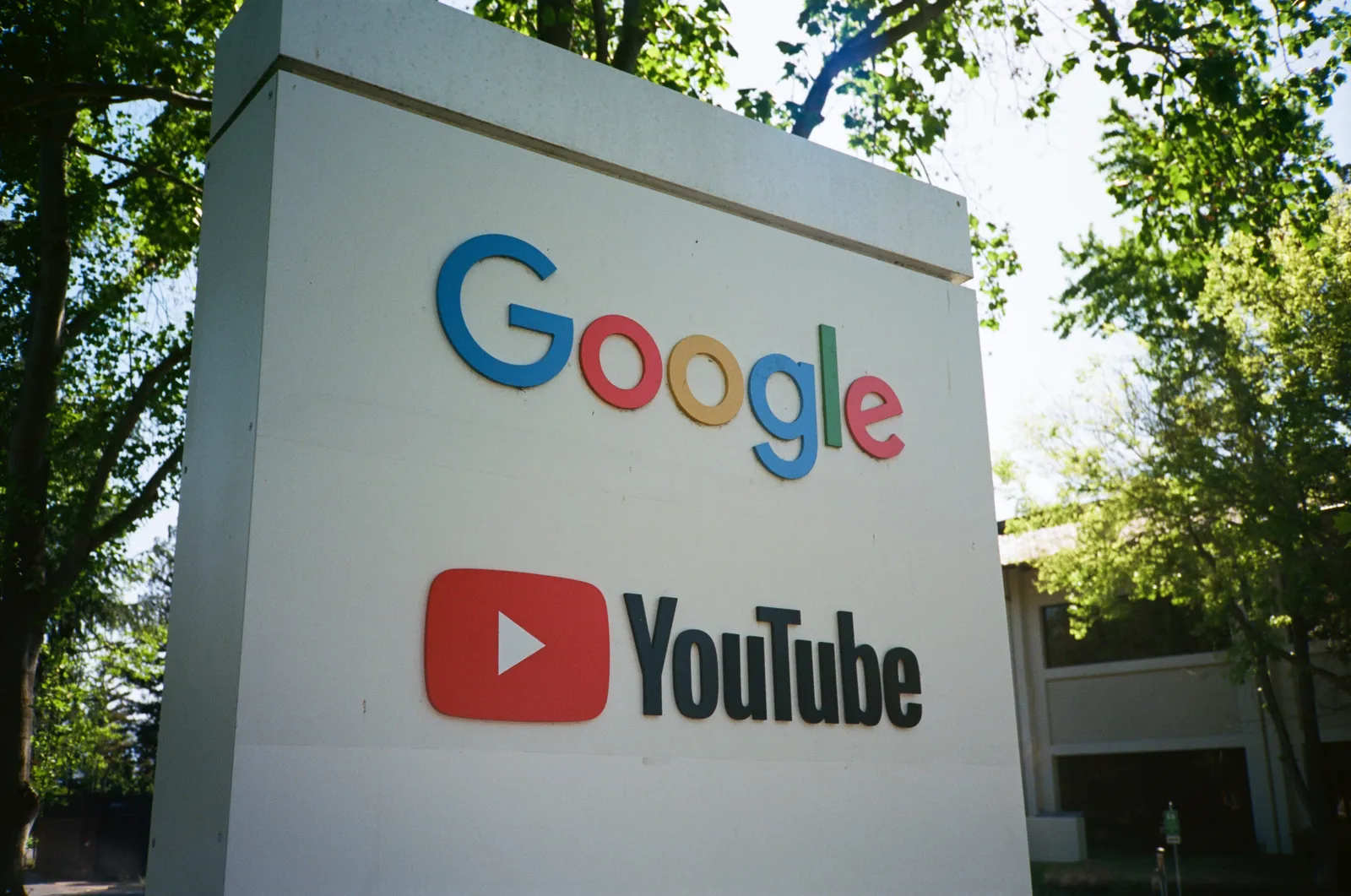
YouTube ad revenue rose 13% in Q2 year over year, reaching $11.055 billion, alongside Alphabet's broader earnings momentum. The quarter also pushed Alphabet total revenue to $119.8 billion and lifted earnings per share to $9.11, both ahead of Wall Street expectations.
Alphabet’s quarter came with a very loud signal from YouTube: ad revenue climbed 13% year over year in Q2 to surpass $11 billion, pulling in $11.055 billion. In other words, the company’s biggest ad engine is still not just alive, it is accelerating. This mattered because it helped pace Alphabet’s overall performance, and it did it while total results landed ahead of expectations.
Zoom out for the rest of the scoreboard. Alphabet reported total revenue rose 24% in the quarter to hit $119.8 billion. Earnings per share nearly quadrupled to $9.11. And importantly for any operator, board member, or investor trying to separate “good business” from “good quarter,” both metrics were ahead of Wall Street expectations. The YouTube ad number is not an isolated datapoint. It lines up with the broader financial outperformance.
So what does “13% to $11.055 billion” really mean in executive terms? First, YouTube ads are a revenue stream that tends to be sensitive to how advertisers feel about the economy and how brands evaluate ROI across video. When that line moves up, it usually suggests either improving ad demand, better monetization, or both. And because this is happening alongside a 24% jump in Alphabet total revenue, the company is not relying on one narrow lever to make the quarter look good. The shape of the results implies multiple parts of the machine are working together.
Second, the magnitude is where it gets interesting. Alphabet’s EPS at $9.11 nearly quadrupled, which tells you margins and operating leverage likely did the heavy lifting. While the source only provides the headline figures, the executive read is straightforward: revenue growth plus profitability improvement is a combination that tends to trigger confidence, not just cheerleading. When investors see both, they often assume the business is not merely “holding up,” it is compounding. That is exactly the kind of quarter that changes how the market prices next year’s baseline.
Third, for decision-makers, the “ahead of Wall Street expectations” detail is a big deal. It means the market had a storyline already, and Alphabet and YouTube still came in above it. For leadership teams, that changes what happens next inside the org. When you beat expectations, you get more time to execute your longer-term strategy, because you are not forced into short-term damage control. When you miss, you spend that time defending. This time, the defense gets less funding and the product and ad systems get more air.
Now add the industry context. Video is competitive, expensive, and increasingly measured like a performance channel. YouTube sits at an awkward intersection of entertainment, search-adjacent behavior, and modern brand metrics. That is why quarterly ad revenue growth is such a high-stakes KPI: it is a proxy for both audience engagement and advertising willingness to pay. In a world where platforms constantly face pressure to justify spend, a quarter that pushes YouTube past $11 billion gives advertisers and finance teams a clearer reason to keep budgets aligned.
There is also a governance angle that executives should care about. When a parent company like Alphabet posts results that are both strong in revenue and even stronger in EPS, boards typically look for durability. The EPS nearly quadrupling alongside $119.8 billion total revenue is the sort of performance that makes board discussions shift from “Is it working?” to “How repeatable is it?” That shift matters because it changes incentives, resource allocation, and how aggressively leadership can invest versus harvest gains.
Finally, the second-order implication for peers is simple: Alphabet has demonstrated that YouTube can grow ad revenue at a double-digit clip while the rest of the company scales up sharply too. For other large digital platforms and media businesses, that is a competitive benchmark. If YouTube can add 13% on ads in a single quarter and still align with a 24% total revenue rise, it raises the bar for monetization improvements across the market. Executives leading ad-driven businesses should treat this as a reminder that performance is not just about traffic. It is about turning attention into dollars at scale, and then keeping the profitability engine humming.
In short: YouTube’s $11.055 billion Q2 ad revenue, up 13%, did more than add a line item. It showed up in Alphabet’s full financial story, with $119.8 billion in total revenue and $9.11 EPS, both ahead of expectations. That combination is the kind of quarter that can reset how leadership teams, boards, and advertisers think about the next cycle.
This story's Key Insights and Take-aways are locked.
Create a free account to unlock Executive Actions for one credit.
Register to UnlockAlways free for Executives Club members. Join the Club
More in Business

Anthropic’s Levant Alpöge cracks the Jacobian conjecture after 87 years
A Harvard valedictorian used Claude to hit a 1939 breakthrough, but the missing “why” is the real problem.

Uber buys Delivery Hero for nearly $15B, vaulting to top food delivery outside China
The deal doubles Uber's dual-services footprint and pushes a ride-and-eats bundling play into 50 more markets.

Epic and Google drop settlement bid, forcing rival Android app stores by July 22
Google told the court it is ready to carry third-party app stores starting Wednesday, July 22.