
Zuckerberg’s $299 Meta AI glasses bet style beats function, and function has to win too
Meta’s smart glasses launch with a fashion-first mindset, starting at $299, and Zuckerberg spells out the real engineering challenge.
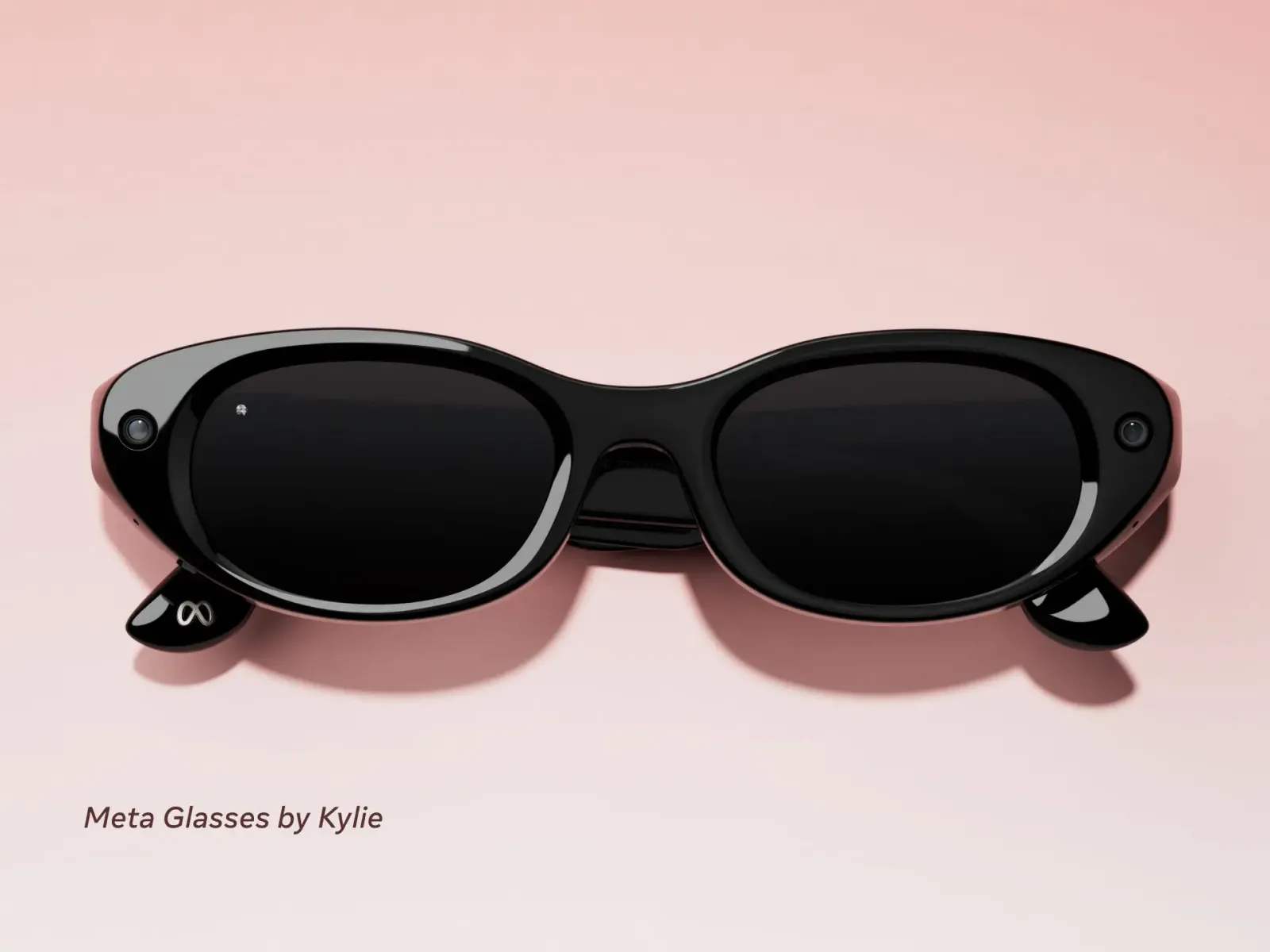
Meta CEO Mark Zuckerberg says Meta's new AI glasses, starting at $299 and developed with EssilorLuxottica, must balance good looks, comfort, and real functionality. For decision-makers, the launch signals that competitive advantage in AI hardware may hinge on consumer wearability, not just software promises.
Meta CEO Mark Zuckerberg’s pitch for his company’s new AI glasses is simple, and it comes with a very specific price: $299. In an interview with Feed Me creator Emily Sundberg, Zuckerberg framed the challenge as not “cramming more AI into a pair of frames,” but hitting a “sweet spot” where glasses are good-looking, comfortable, and actually deliver on functionality.
That’s the fight Meta is picking as it unveils a new line of smart glasses on Tuesday, developed with eyewear giant EssilorLuxottica, and set to start at $299. The price matters because it positions Meta below the company’s entry-level Ray-Ban glasses, which signals Meta wants a broader audience, not just early adopters who tolerate bulky prototypes. It also matters because rival wearable ambitions are already running into consumer skepticism, with Snap’s new AI glasses facing online rebuff for being expensive and clunky after launching earlier in June.
Zuckerberg’s fashion-first framing is not just a vibe. He said his collaboration with EssilorLuxottica influenced his taste in fashion, and he described learning how the eyewear company builds brands and designs products, including “what they feel is important.” In other words, Meta is borrowing priorities from a category that has historically lived and died by aesthetics, fit, and brand perception. Software teams can ship features. Hardware teams still have to convince people to wear the object all day, voluntarily, in public, without thinking they look like a science project.
The Meta CEO said he is “pretty involved in everything we build,” and the interview tone reflected that. He even used a personal reference point from the aughts, saying he evolved from what he described as his favorite item back then: Adidas slides, which he was pictured wearing. That may sound like lifestyle filler, but it underlines what Zuckerberg believes is the core product requirement. The glasses cannot be purely instrumental. They have to be something people are proud to wear.
For executives, this is a familiar pattern with a new twist: the center of gravity is moving from “does it work?” to “does it fit into a life?” Smart glasses are arguably the most visible form of AI hardware, because they sit on a person’s face. That visibility turns ergonomics and design into business metrics. Comfort becomes retention. Looks become distribution. If consumers reject the product because it is uncomfortable or unflattering, the technology can be brilliant and still lose.
Zuckerberg also suggested that the future is not one universal gadget, but a “spectrum” of styles, amounts of functionality, and price points. That matters because it hints Meta is planning for segmentation rather than a single flagship experience. In the software world, “one size fits all” can work long enough to establish a platform. In eyewear, variety is part of the category, because people buy brands and silhouettes. Meta is essentially acknowledging that it needs both. It wants AI hardware that behaves like fashion, not gaming accessories.
This comes as competitors push into AI-powered eyewear, including Google and Snap. Snap’s experience is the warning sign cited directly in the interview. The source notes that Snap’s new AI glasses immediately received online rebuff for being expensive and clunky after their earlier-June launch. Meta is not claiming it will avoid those pitfalls automatically. But by emphasizing comfort, good looks, and a range of functionality and price points, Zuckerberg is putting guardrails around what “success” has to look like.
There is also a strategic partner dynamic embedded in this story. The new Meta smart glasses were developed with EssilorLuxottica but do not carry Ray-Ban or Oakley branding. That is a material brand decision. In eyewear, brand equity helps you skip trust-building time. Not using those brands suggests Meta and EssilorLuxottica may be trying to create a distinct identity for these AI glasses, one that can evolve with Meta’s wearable platform strategy. For decision-makers, that affects go-to-market, marketing costs, and the design language the product line will be judged by.
Finally, the regulatory backdrop may not be front-page here, but it is part of why the fashion-and-function framing matters. Smart glasses sit in a space where privacy expectations can get tense quickly, and where regulators could scrutinize camera, sensing, and user data handling. The source does not mention a new regulation, but it does highlight the practical reality: hardware adoption depends on user comfort and social acceptance. In that environment, the best technology cannot hide behind “advanced” if people do not want to wear it.
For peers in consumer tech and wearable AI, Meta’s move is a reminder that hardware strategy is product strategy. The company is betting that if it can make AI glasses comfortable and visually normal enough to be worn daily, it improves its odds of converting interest into sustained usage. Zuckerberg’s “sweet spot” language is essentially a business constraint on engineering teams. And it sets a standard that rivals will have to respond to: AI on the face only wins if it looks like something people would already choose, and it works well enough that the novelty wears off in favor of a real habit.
This story's Key Insights and Take-aways are locked.
Create a free account to unlock Executive Actions for one credit.
Register to UnlockAlways free for Executives Club members. Join the Club
More in Technology

Nvidia's $89B data center quarter: the 9 companies cashing in
The AI buildout is minting fortunes beyond GPUs, and memory, cloud, and cooling suppliers are riding the same wave.

Google quietly links your phone number to every Android account on your SIM
Adding a SIM now ties your phone number to all Google accounts - and future accounts inherit it. Here's the security and privacy stakes.

Hijacker AI 'Skynet mode' runs 100,000 attack steps against exposed models
Symantec caught a criminal AI agent that borrows other models, steals data, and mines crypto; the only relief is no confirmed victims yet.