

Zyzz died at 22 in Thailand in 2011, and speculation spiraled for years
A new documentary revisits Aziz “Zyzz” Shavershian’s life, the immediate aftermath, and why the internet never stopped hunting answers.
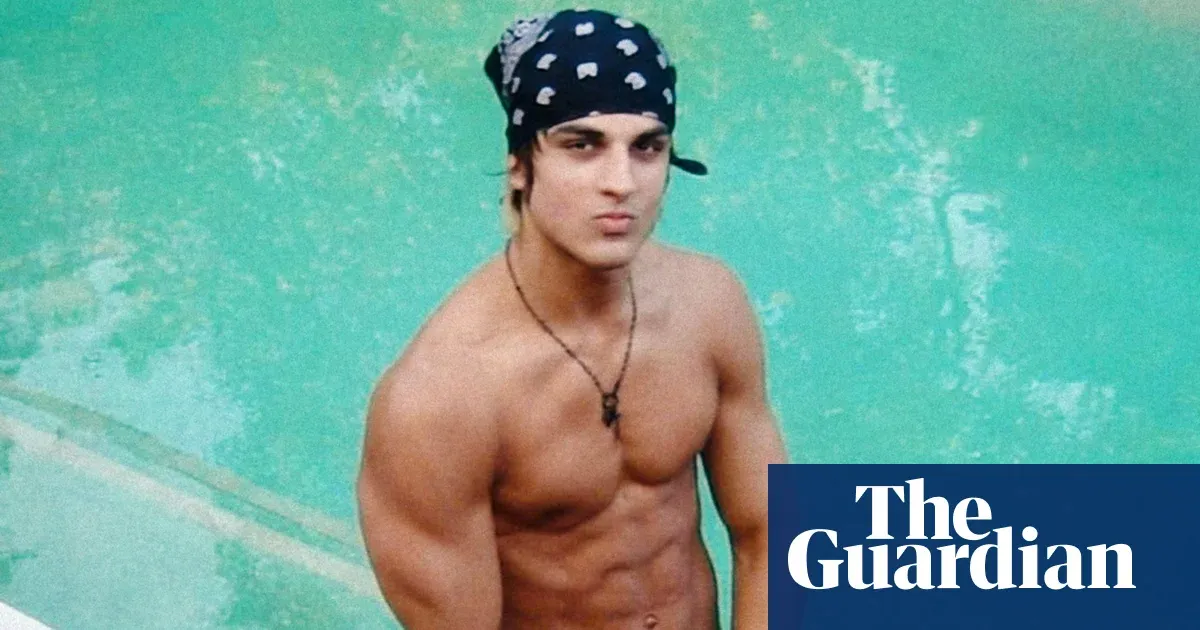
Aziz “Zyzz” Shavershian, an Australian fitness influencer known for workouts and rage-bait, died in Thailand in 2011 at age 22. A new documentary digs into what happened as speculation, impersonation attempts of coroner materials, and long-running “sightings” reshaped his legacy.
Aziz “Zyzz” Shavershian died in Thailand in 2011 at the age of 22, and the story did not end with his death. Instead, it turned into a decade-plus content machine fueled by unanswered questions, online mythology, and people trying to monetize the absence. A new documentary returns to his origins and the chaos after he stopped posting, when speculation about the cause of death became a kind of currency on the internet.
Before the mystery, Zyzz was already famous in the specific early-YouTube way that feels like a prequel to today’s algorithm-first fame. He was an Australian teenager who filmed workouts and thoughts about the world on his Nokia and posted them to YouTube. He leaned hard into an aesthetic that was equal parts bodybuilding and theater: flexing into unabashedly vain poses, hair feathered like an anime character, and using slang straight out of bodybuilding forums. He even delivered rage-bait before “rage-bait” had a branding category, mocking an audience’s envy with “U mirin’, brah?” He also created accounts to troll himself, as if he could game his own future haters.
And then came the hustle that looked weirdly modern in hindsight. Zyzz started an anonymous Facebook page titled “10,000 likes and I’ll bash Zyzz.” When it hit the goal, the page switched into advertising his protein brand. That move matters because it shows an early understanding of attention as a growth channel, and controversy as a distribution engine. You could argue it was the blueprint for how creators later learn to turn community energy, even negative energy, into direct revenue.
In 2011, that creator-driven momentum collided with something far more irreversible. Zyzz made headlines in Australia when he suddenly and unexpectedly died in 2011 at age 22. By then, he had attracted more than 60,000 Facebook followers, people who either loved him or loved to hate him. After his death, his global audience grew even more rapidly, but not because new workouts appeared. Instead, growth came from a vacuum: speculation about the cause.
The documentary context also highlights a social and operational risk that boards and leadership teams now have to think about whenever a public figure dies. When people cannot verify facts, they attempt to backfill them. In Zyzz’s case, fraudulent attempts to access the coroner’s report were made by people impersonating his family. That is not just internet weirdness. It is a reminder that during high-emotion events, normal information boundaries get stressed, and actors will use impersonation and escalation tactics to obtain or influence official records.
The aftermath also spread through “influencer logic,” where the audience does not just consume content, it competes to produce the next explanation. Influencers made videos claiming he had faked his death. “Zyzz” sightings were posted for years. This kind of long-tail misinformation is strategically interesting because it persists without needing fresh evidence. It only needs engagement. In modern platform terms, the incentive is attention, and attention often rewards narratives that feel more satisfying than uncertainty.
So what does a 2011 death have to do with decision-makers today? Even if you are not in fitness, you are in the business of trust, distribution, and risk. The Zyzz story illustrates how quickly a person can become an enduring media asset. Once a creator’s life is converted into a legend, the legend can be exploited by opportunists, impersonators, and content makers who profit from the unanswered. It also suggests why stronger information governance and rapid-response processes matter in the moments when emotion outruns verification.
For peers managing creators, communities, or any public-facing brand, the strategic stake is straightforward: speculation scales. If you let uncertainty sit unmanaged, it gets filled. And when the fill comes from impersonation attempts, false claims, and “sightings” that run for years, the brand impact is not limited to the individual. It becomes a wider case study in how attention systems, audience psychology, and legal boundaries collide. Zyzz’s sudden disappearance at 22 did not just end a life. It created an evergreen information demand that the internet kept feeding, long after he stopped.
This story's Key Insights and Take-aways are locked.
Create a free account to unlock Executive Actions for one credit.
Register to UnlockAlways free for Executives Club members. Join the Club
More in Entertainment
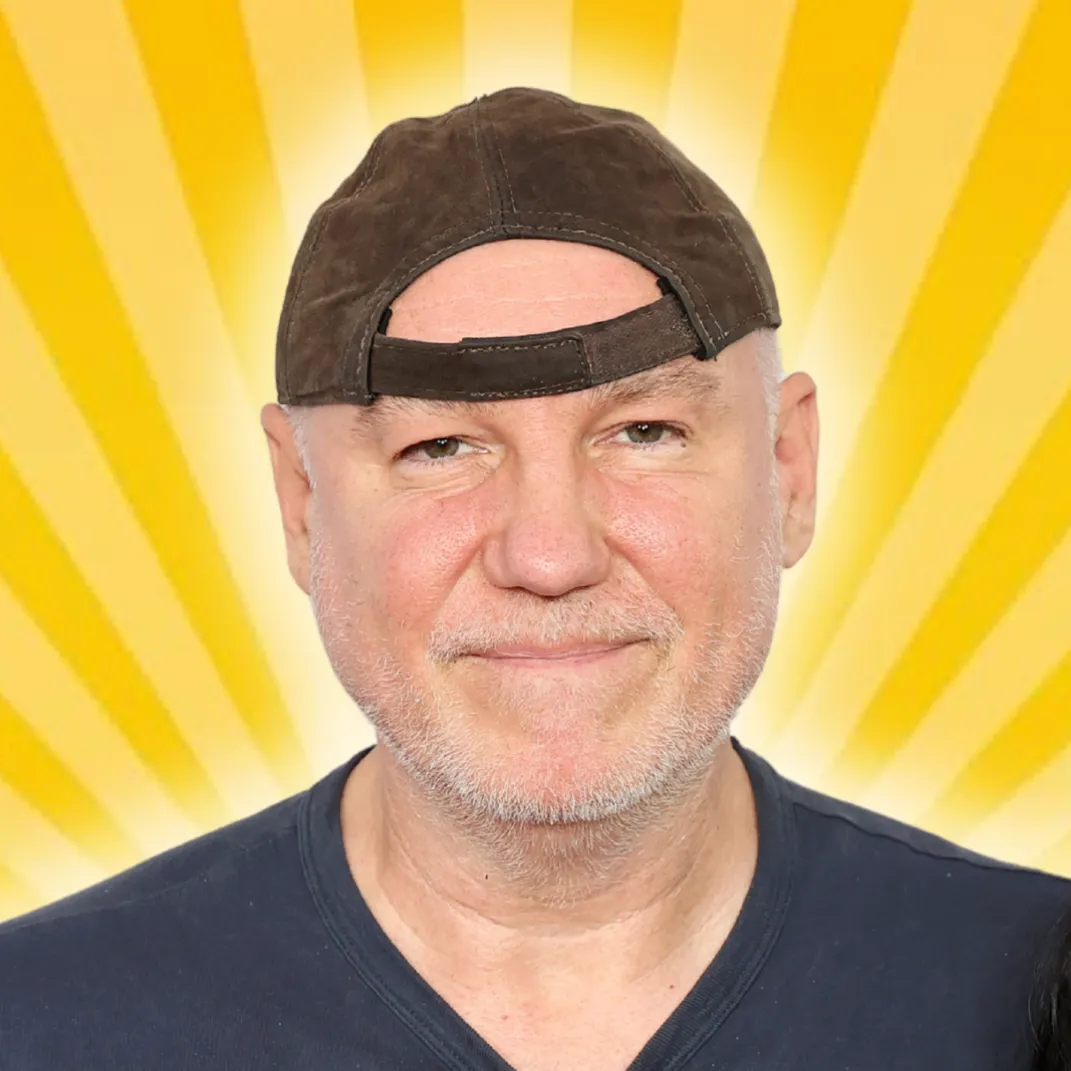
Gregg Alexander drops New Radicals' first song in 28 years
The quiet comeback spotlights how one songwriter's offstage career can outlast a band by decades.

FromSoftware posts a demigod-quiet Siofra clip. Elden Ring fans are begging for Godwyn DLC
A July 31, 2026 X post with a 12-second video sparked 4.3M views, but FromSoftware has not confirmed another major DLC.
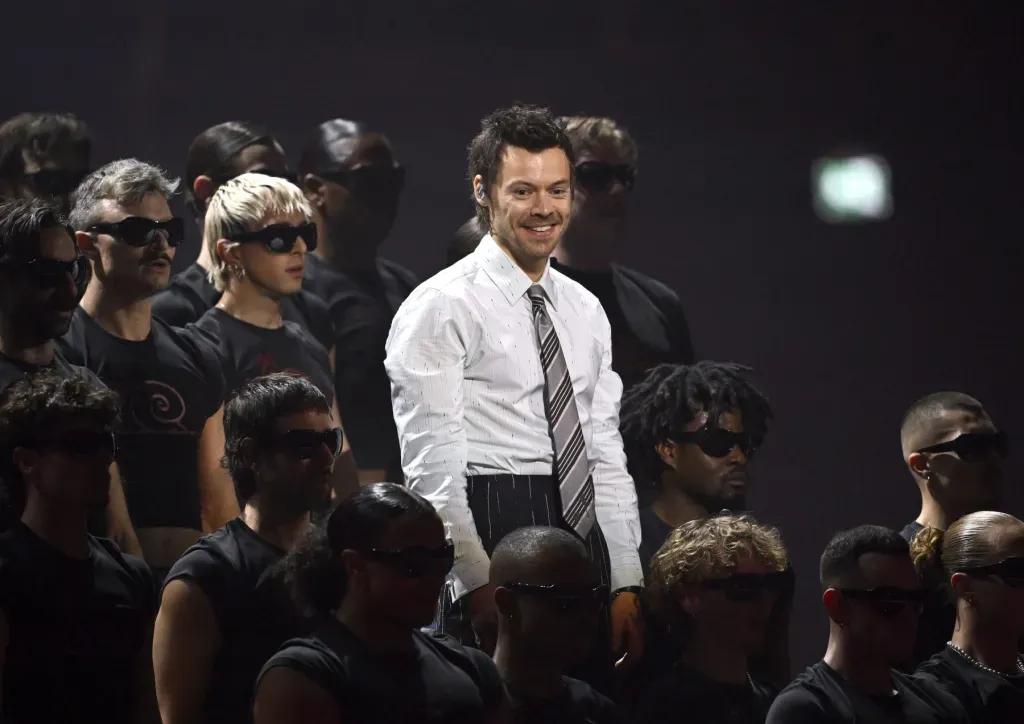
Harry Styles turns 120 minutes in Mexico City into a 68,000-strong dance party
His Together, Together Tour residency starts July 31 with six stadium dates and a projected $145M-$171M boost.