

Thermodynamic computers turn noise into a feature, not a bug
A new approach uses energy fluctuations instead of shielding from them, changing what “reliability” means in computing hardware.
By Faisal Al-Qahtani·· 3 min

Curating from trusted global sources…
Curated from trusted global sources, refined into briefing-grade analysis with executive summaries, insights, and bullet-point takeaways.
A new approach uses energy fluctuations instead of shielding from them, changing what “reliability” means in computing hardware.

A dented Duro Rocket felt-tip turns into a collector valuation benchmark, and it matters for anyone pricing rare provenance.

A volatile queen pheromone enforces who reproduces, reshaping how we think about social control in biology.

A single queen scent, tested in cages and colony removals, functions like a colony-wide super-contraceptive.
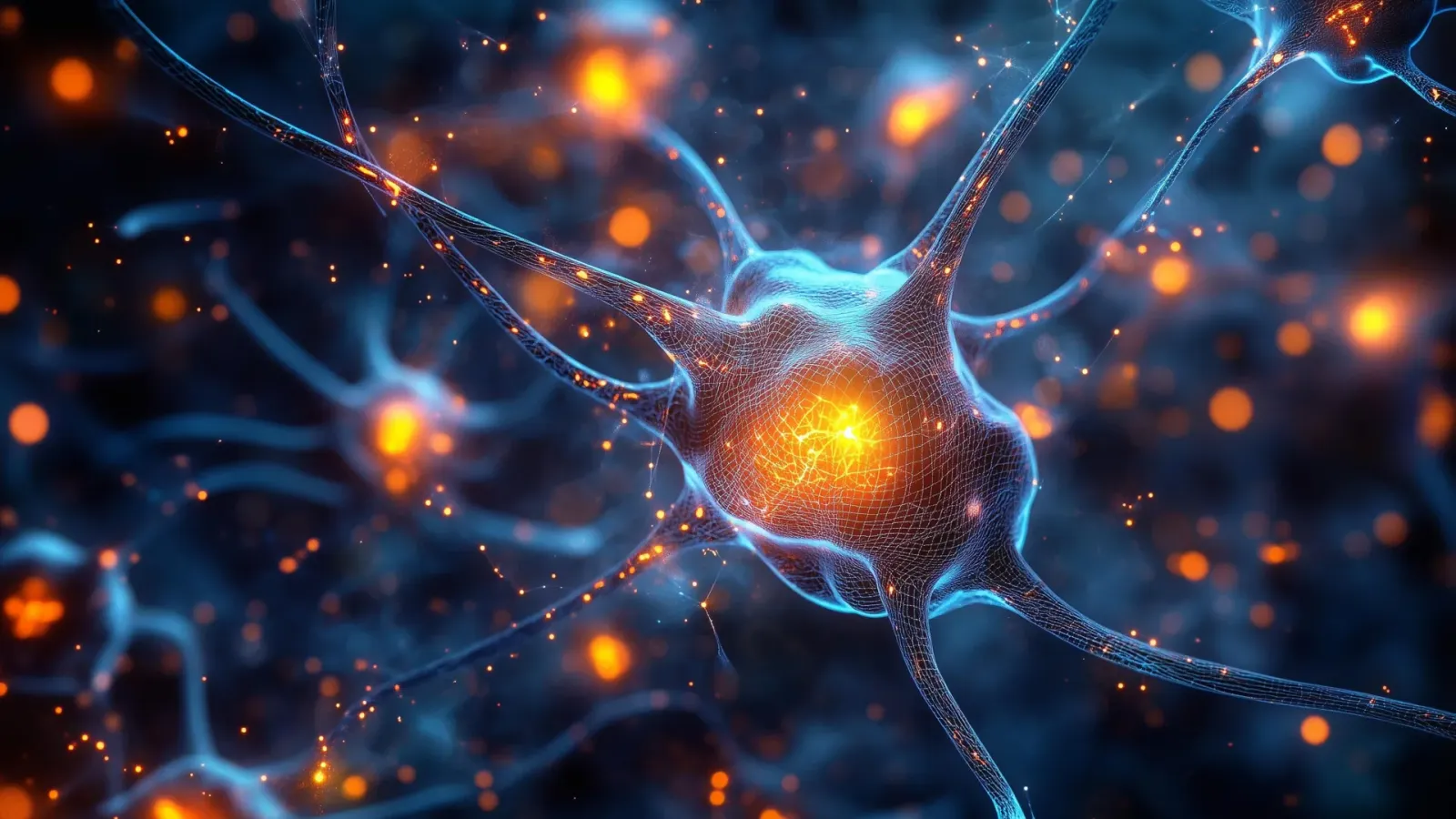
A microscopic structure in neurons may decide whether harmful proteins flood in, shifting prevention strategies for Alzheimer’s.

A Greek worship site from antiquity reframes how we understand Odysseus: not just literature, but belief.

Scientists and indigenous collaborators are racing to capture what construction is about to change, before it vanishes.

Astronomers directly imaged the faintest exoplanet ever seen from Earth, resolving a long-running dust-disk puzzle.
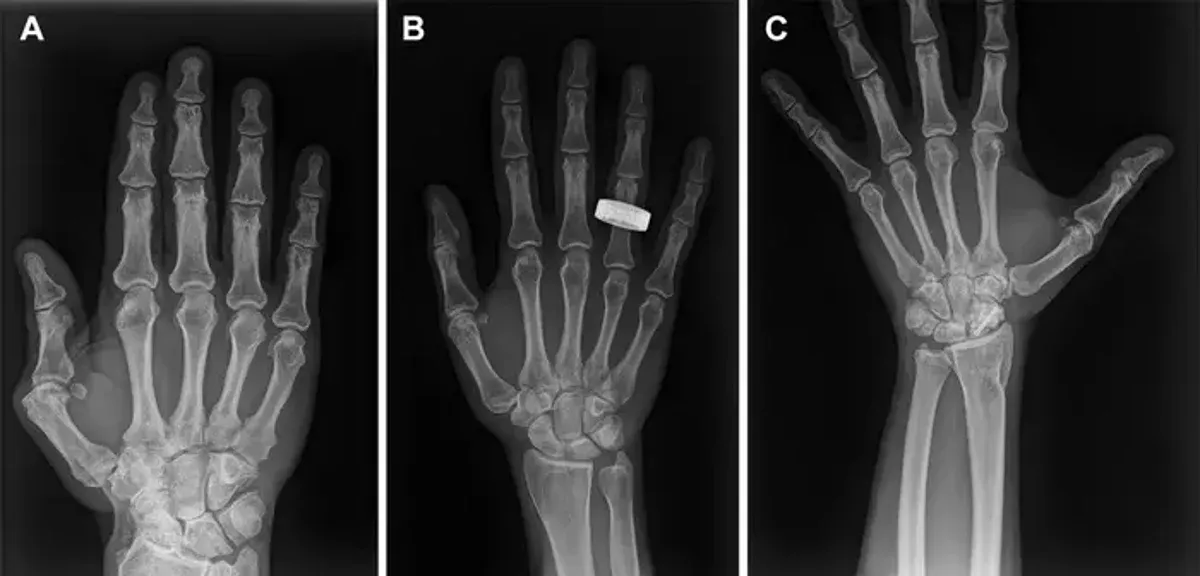
Spacecraft equipped with x-ray machines may provide a new in-flight safety tool for missions like crewed Mars.

Experts say it is a useful post-compromise tool, even though the public code is stripped and incomplete.
Astronomers finally confirm the faint planet by reanalyzing ESO’s VLT archive, turning 10-year noise into a headline.

A spectroscopy-first detection finds the system’s third imaged planet and expands how exoplanets get discovered.