

Scientists test whether AI creates new languages or only recombines old ones
A debate over “novelty” in AI-generated languages raises hard questions for researchers, funders, and regulators.
By Bandar Al-Saud·· 3 min

Curating from trusted global sources…
Curated from trusted global sources, refined into briefing-grade analysis with executive summaries, insights, and bullet-point takeaways.
A debate over “novelty” in AI-generated languages raises hard questions for researchers, funders, and regulators.

A Physical Review Letters result with DLR suggests quantum mechanics can be written with real numbers, not imaginary ones.

New early findings connect oral health to a serious heart valve condition, with clear implications for prevention and risk management.
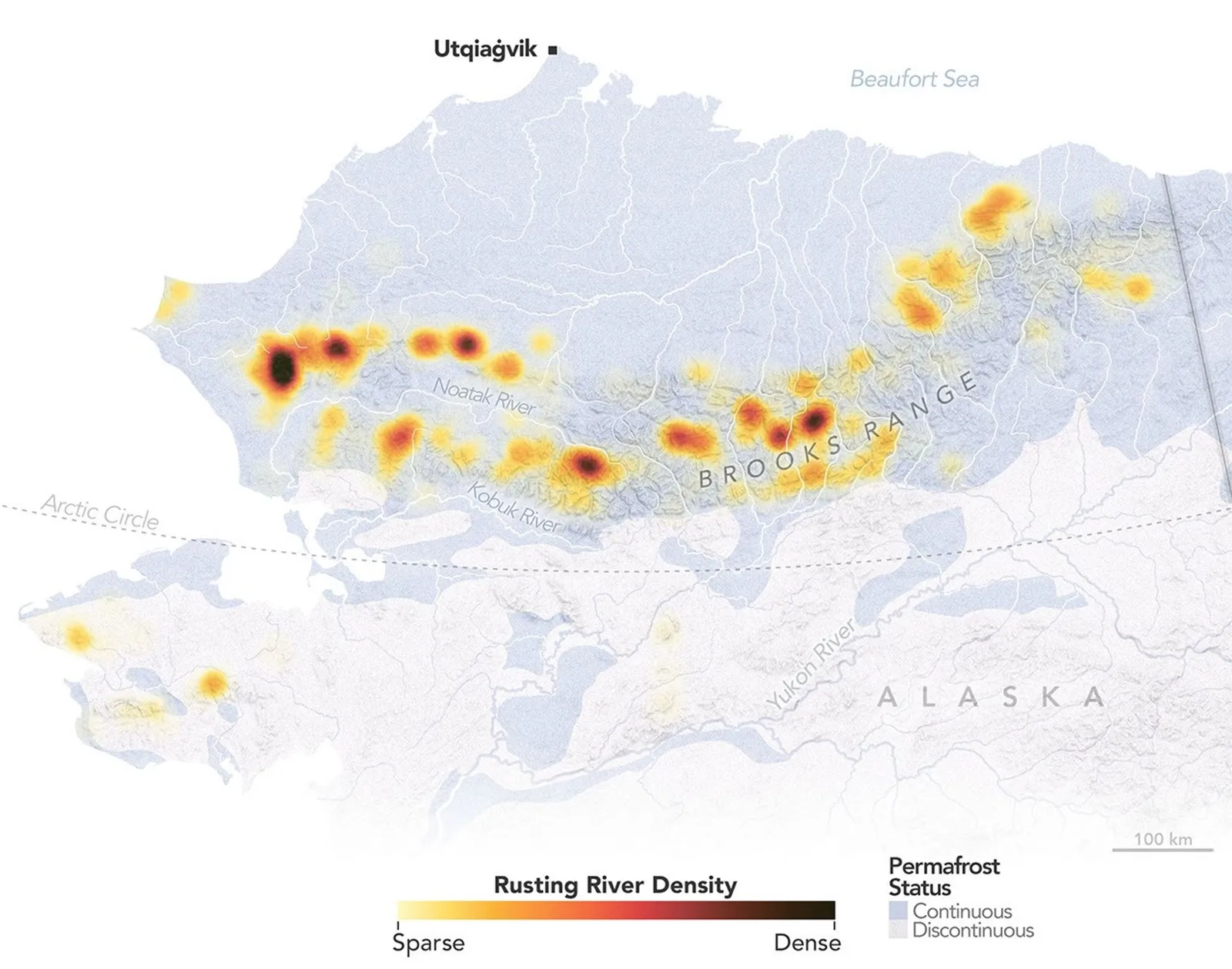
NASA links “rusty” stream water across Alaska to warming ground and air, with implications for drinking water and fish.
A Nature study tests a photo-transformable stabilizer in perovskite-organic tandems, targeting long-term performance stability for next-gen solar.

New research suggests tropical giants and smaller neighbors share the same drought vulnerability, reshaping forest risk models.

A rare, sudden vascular emergency can be hard to treat, and one expert likened it to “a knife to the back.”
A new machine-learning calibration method aims to make low-cost biosensors match the accuracy regulators need.
Simple slide behavior changes can reduce distraction when students must listen and visually process at once.
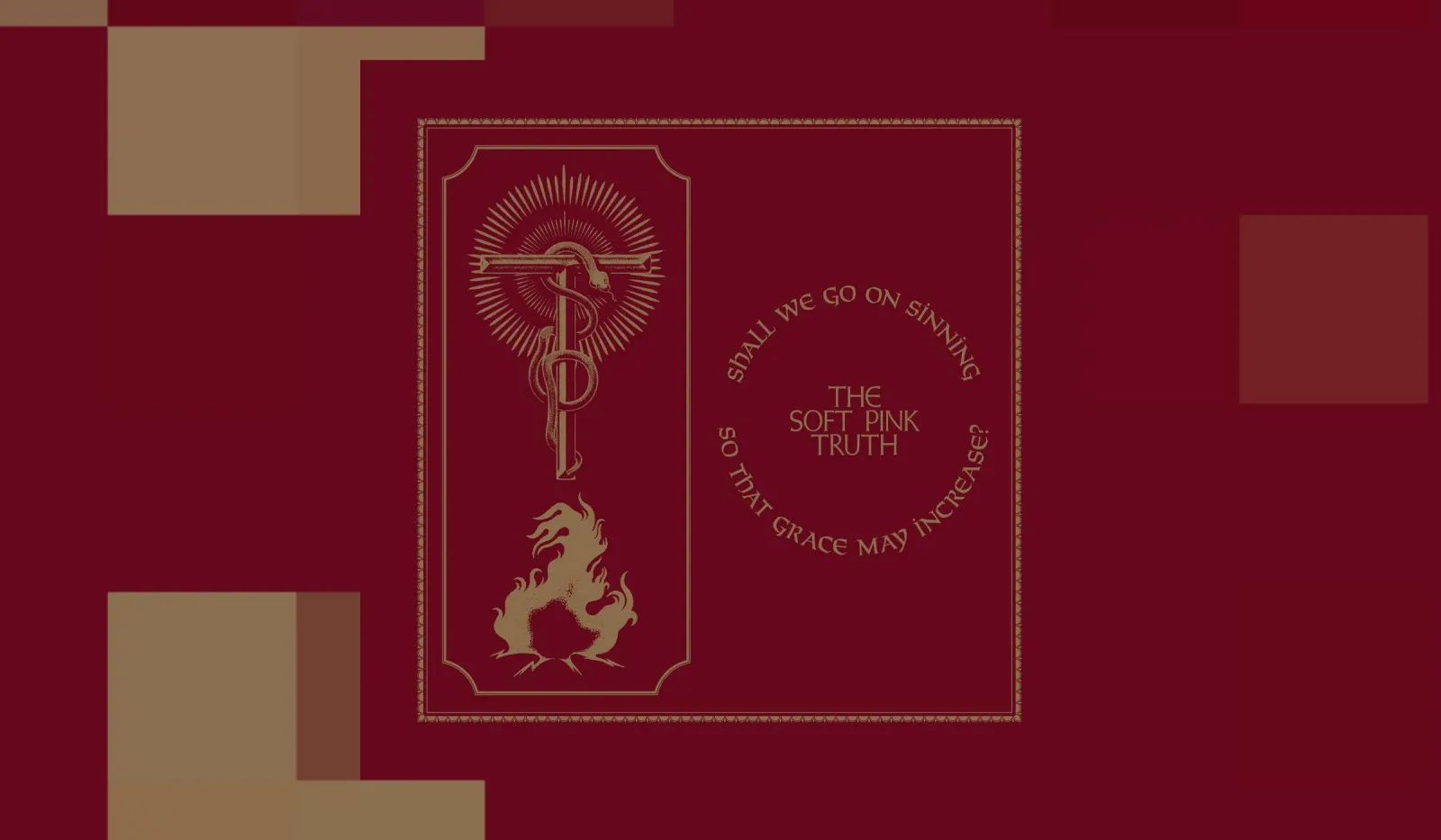
A prolific producer breaks out of Matmos-style constraints, and the result feels hypnotic, healing, and hopeful.
A new measurement method turns drone-reflected laser signals into gas concentration maps, improving the CO2-to-sulfur dioxide eruption signal.
A new pathway study turns scattered natural compounds into one production site, shifting both research speed and commercialization risk.