

Lab tests Penrose and Zel'dovich energy extraction as amplified black hole waves
A synthetic rotation experiment brings Penrose's black hole energy idea into the lab, showing waves can amplify by stealing rotation energy.
By Reem Al-Dosari·· 3 min

Curating from trusted global sources…
Curated from trusted global sources, refined into briefing-grade analysis with executive summaries, insights, and bullet-point takeaways.
A synthetic rotation experiment brings Penrose's black hole energy idea into the lab, showing waves can amplify by stealing rotation energy.
A magnetic confinement concept targets a core plasma bottleneck: keeping extreme heat away from the reactor walls.
Roadside blooms may lure bumblebees, but traffic intensity can flip verges from buffet to danger zone.
Phys.org reports a new tactile approach to bacterial classification that could speed diagnostics in clinical and food safety labs.
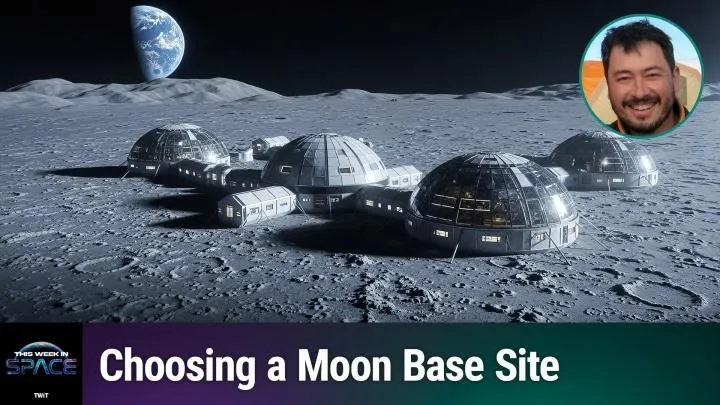
Episode 218 asks if NASA’s first permanent base preparations should start at the moon’s toughest locations.
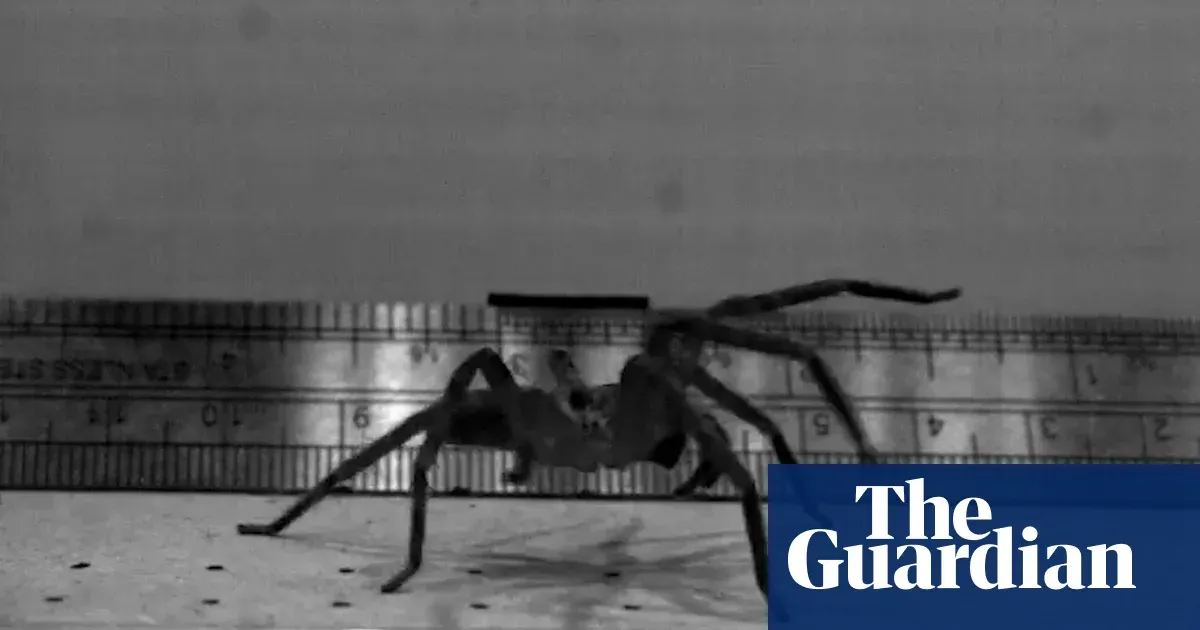
New analysis suggests Australia’s huntsman may outrun every other spider measured, reshaping what “fastest” even means.

The ancient micro-structure that keeps Roman concrete durable could guide modern mix designs and longevity standards.

New multi-country tree measurements show some South American tropical forests stopped absorbing carbon during 2015-2016.
A study reconstructs a cap's travel using label data, shell chemistry, and current simulations, exposing invasive-species risk in the micro-world.
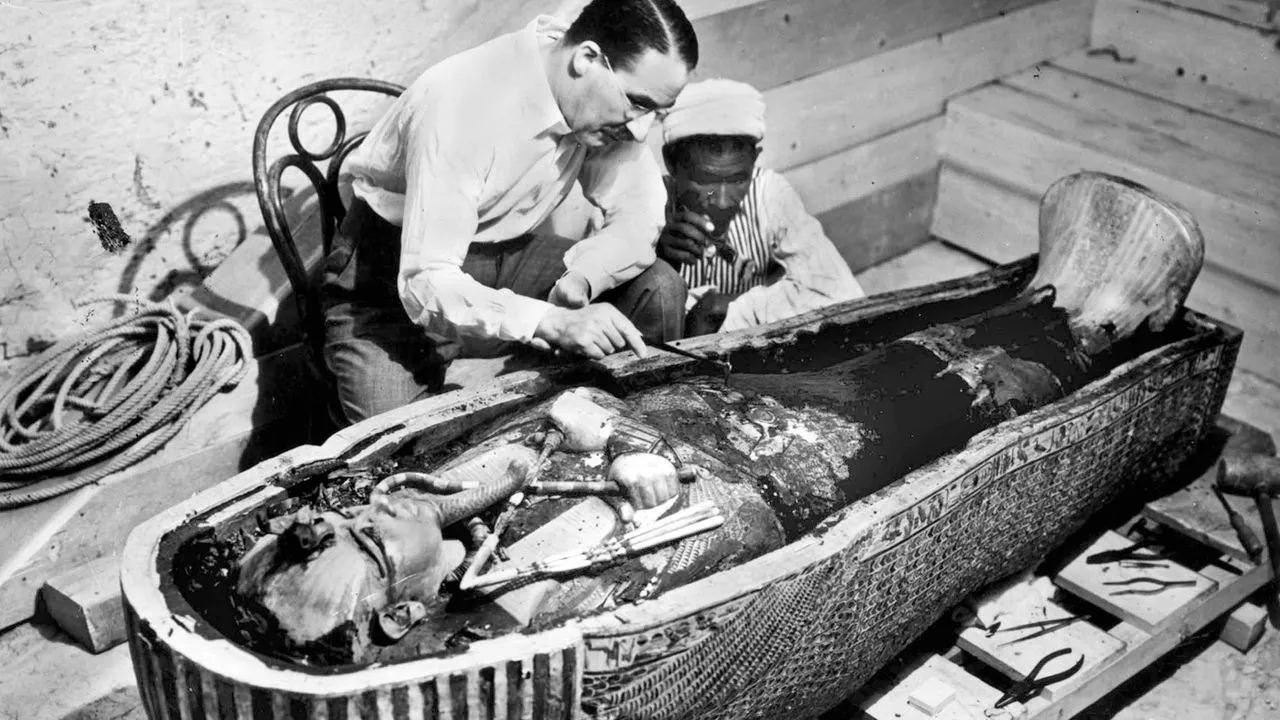
Sam Kean’s book follows Bob Brier and Ronn Wade as they recreate Egyptian embalming step-by-step, even the weird parts.

Sam Kean explains how Bob Brier and Ronn Wade learned new science, even as critics called it horrifying.
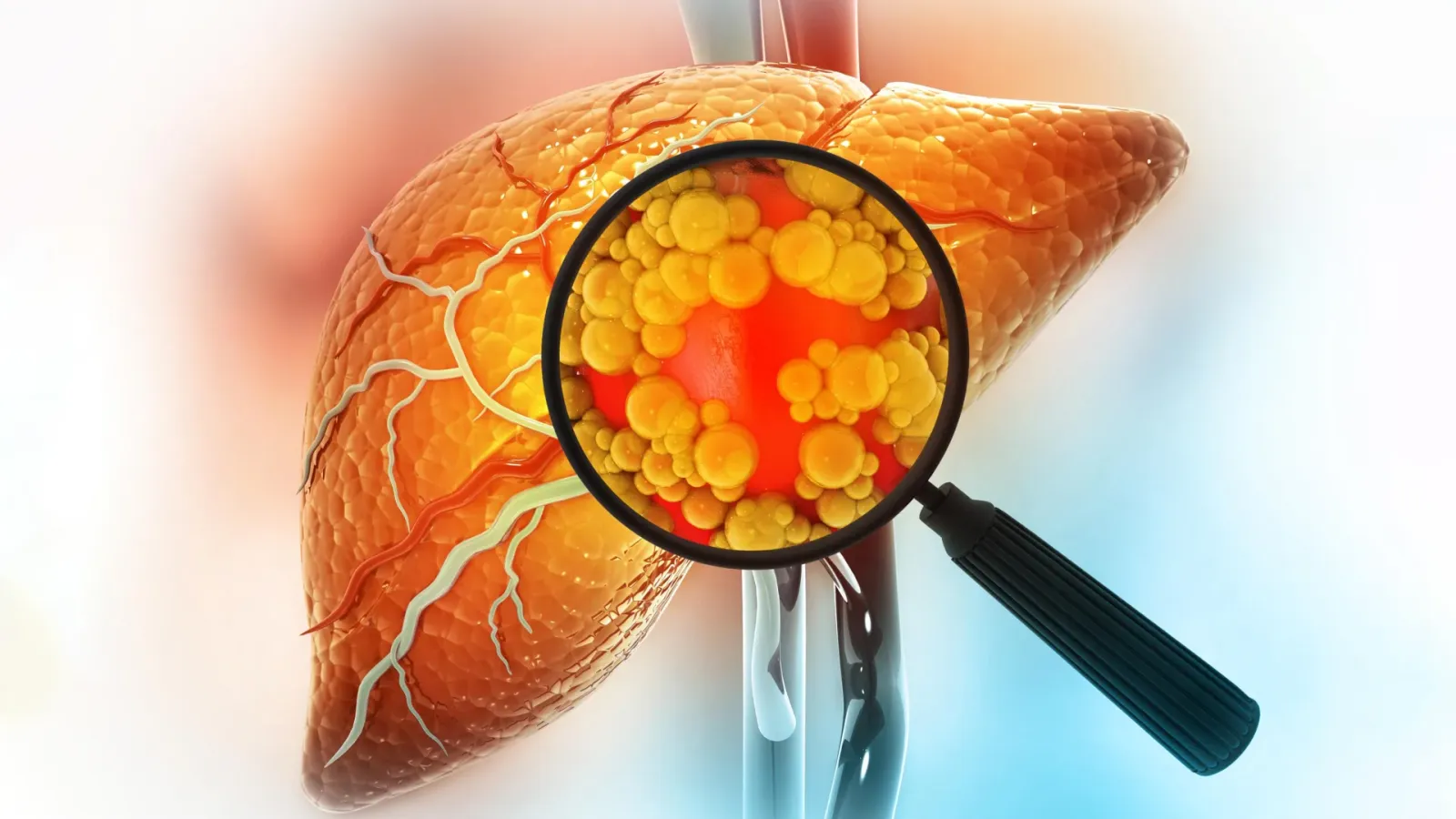
A gut-repair strategy that prevented liver-damaging toxins could redefine treatment approaches for MASH and beyond.